
DECIDE project comes to an end with lasting tools, knowledge and partnerships for circular economy
Looking back on two and a half years of DECIDE project implementation, one conclusion comes immediately to mind: this has been a truly productive and dynamic project.
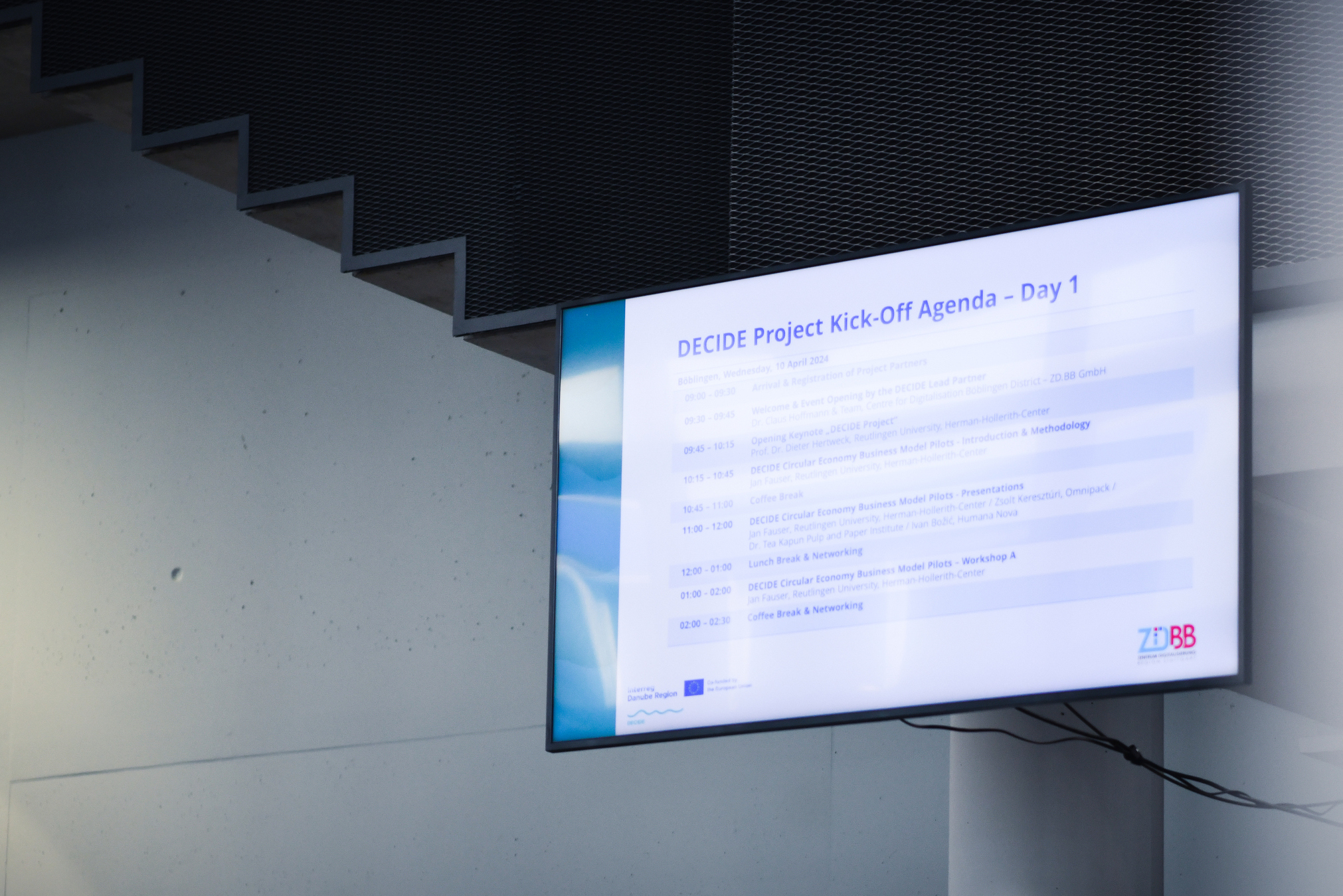
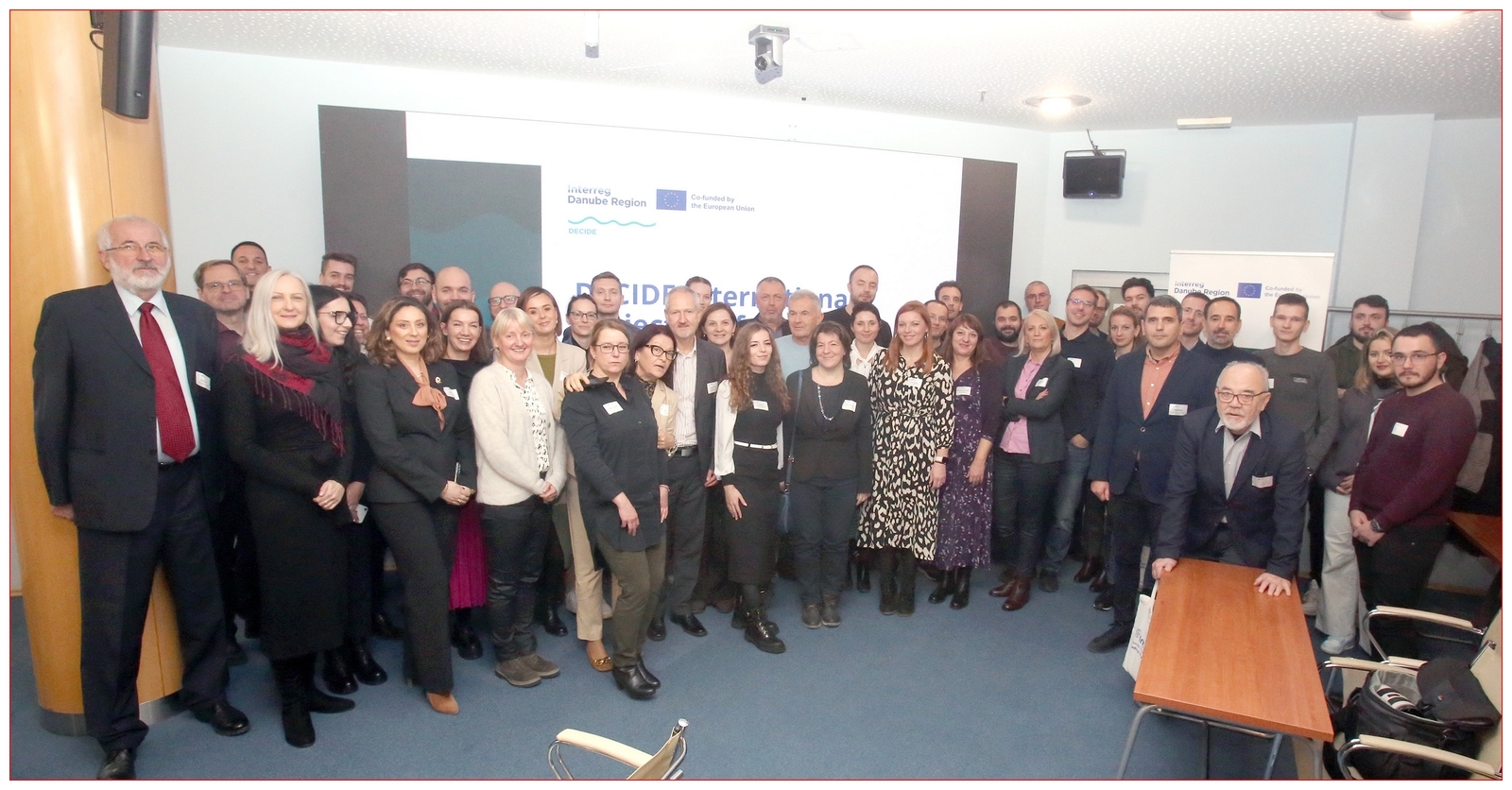
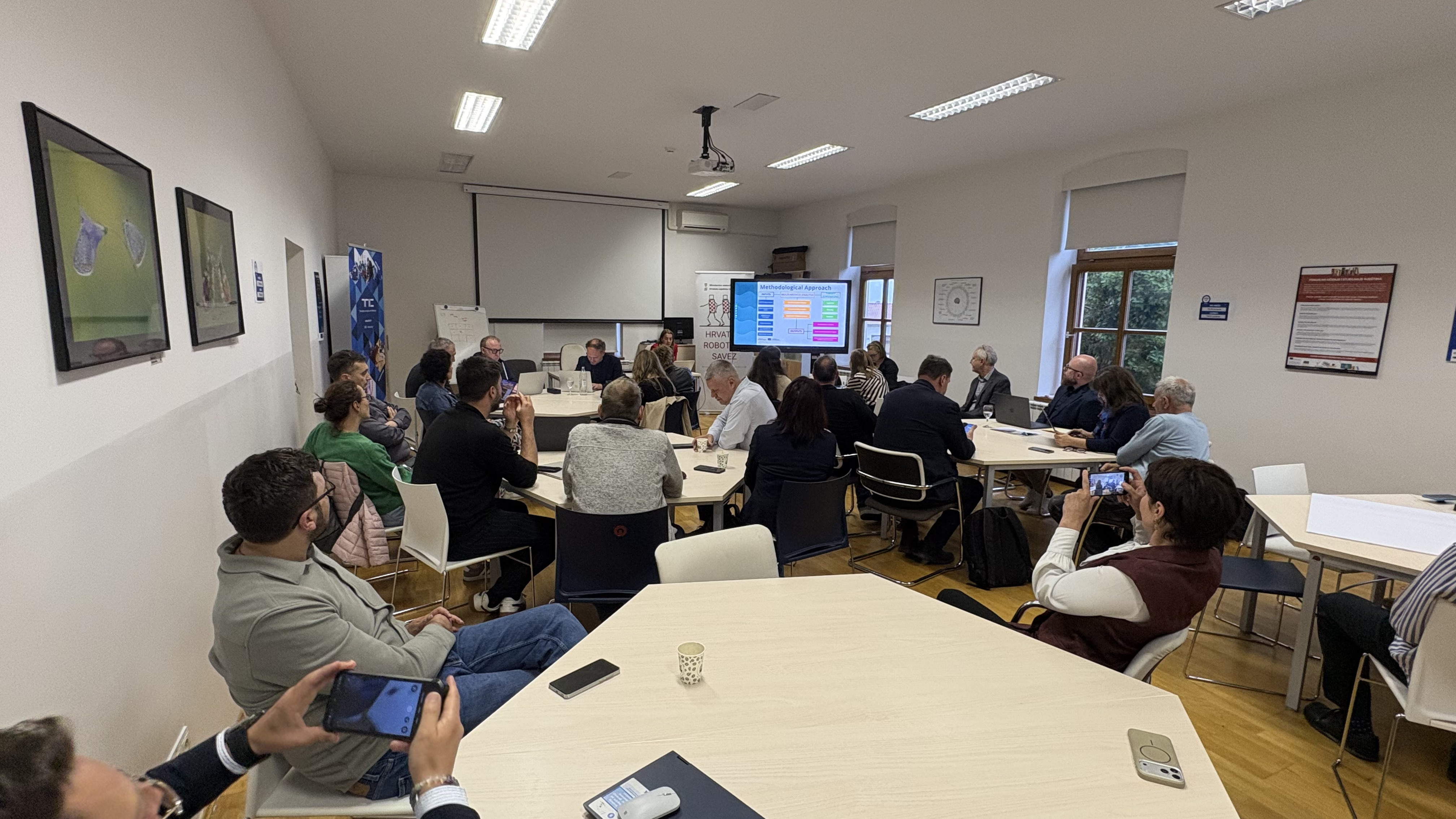
Project DECIDE first partner meeting. Copyright: TICM
From the first partner meeting to the final conference, other than partners, the DECIDE project brought together experts, public authorities, business support organisations, SMEs, researchers and circular economy stakeholders from across the Danube Region. Over the course of the project, the partnership developed digital tools, prepared methodologies, documented good practices, tested pilot cases, organised conferences and workshops, created learning materials, published project results and built new connections that will continue beyond the project lifetime.
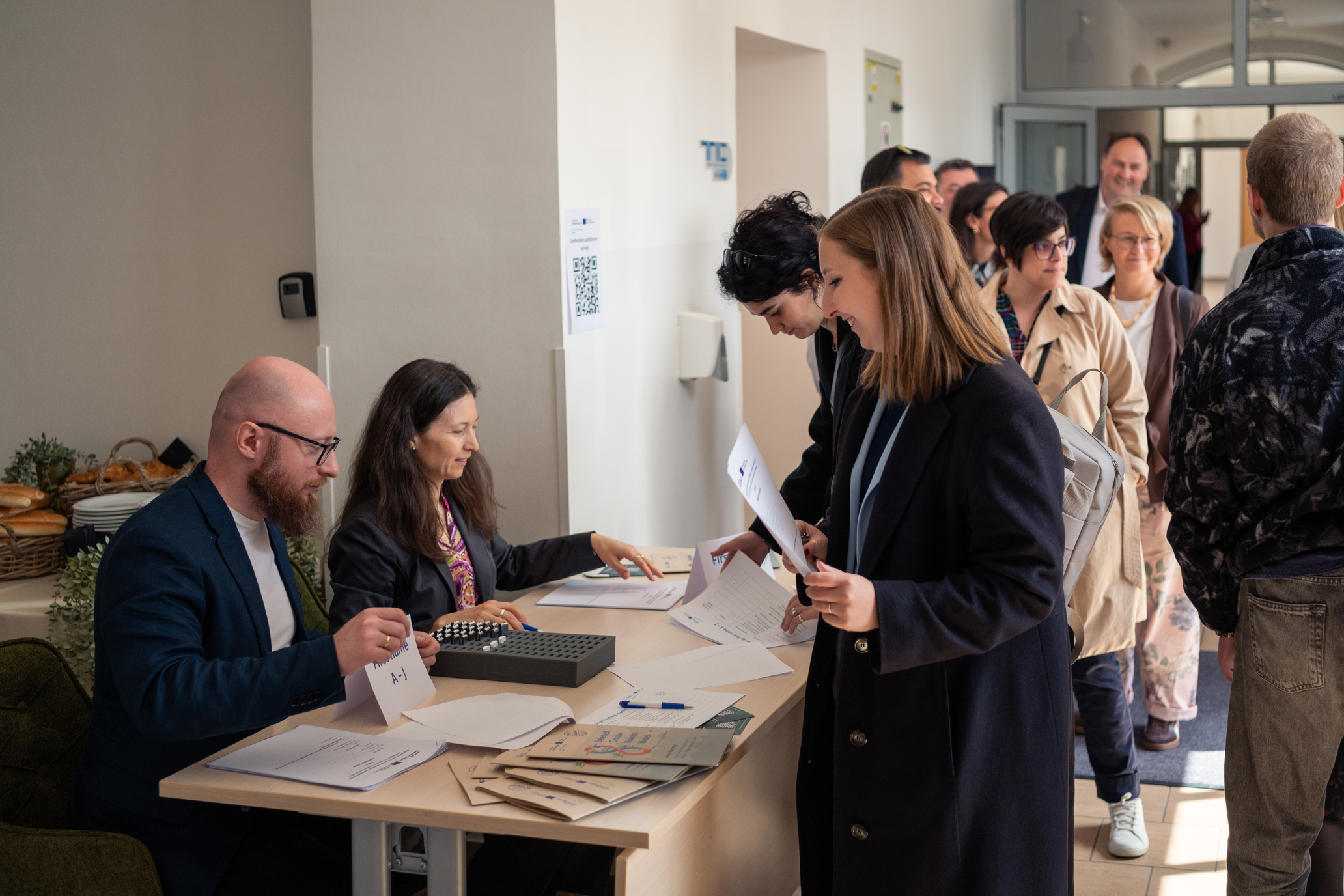
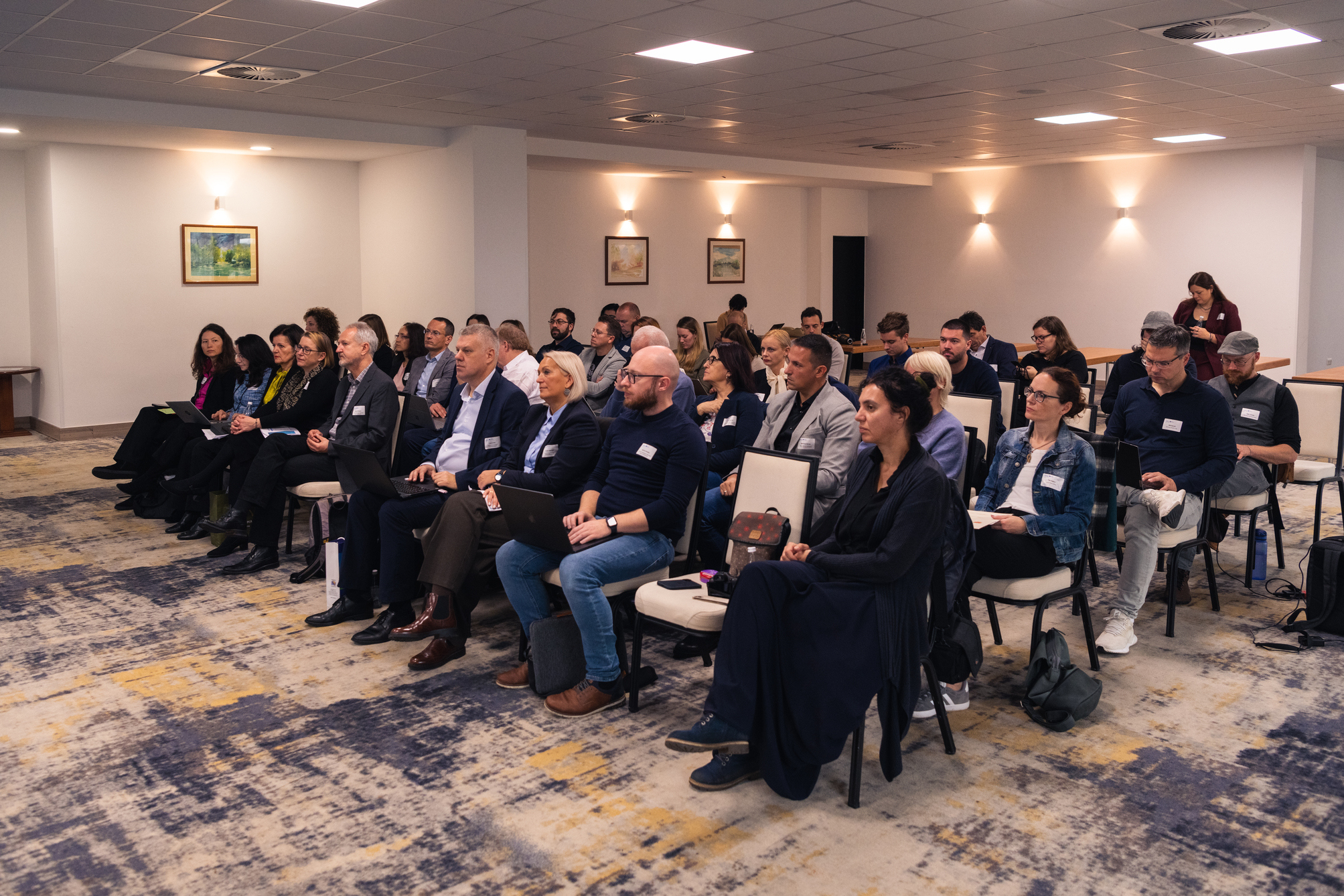
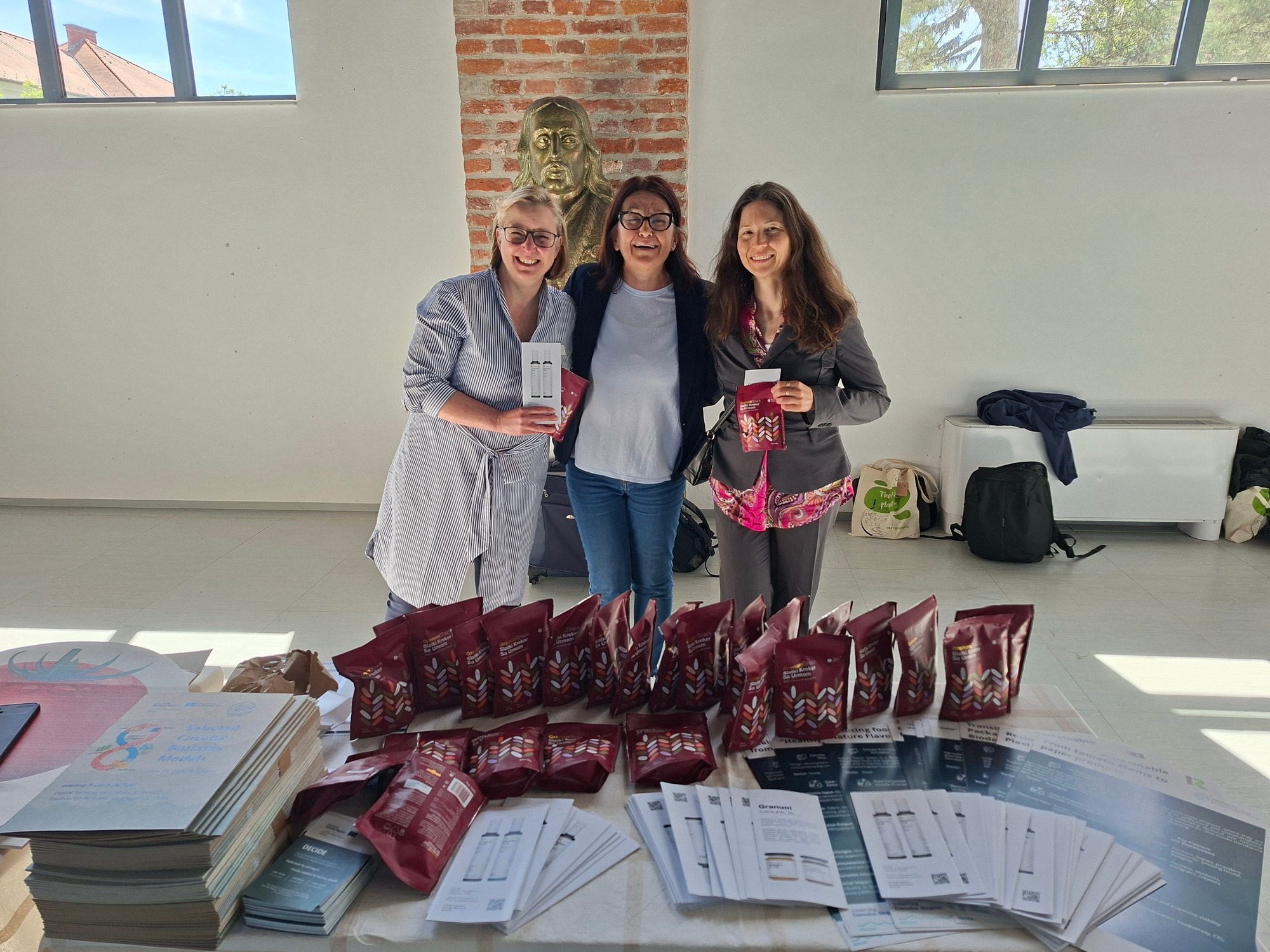
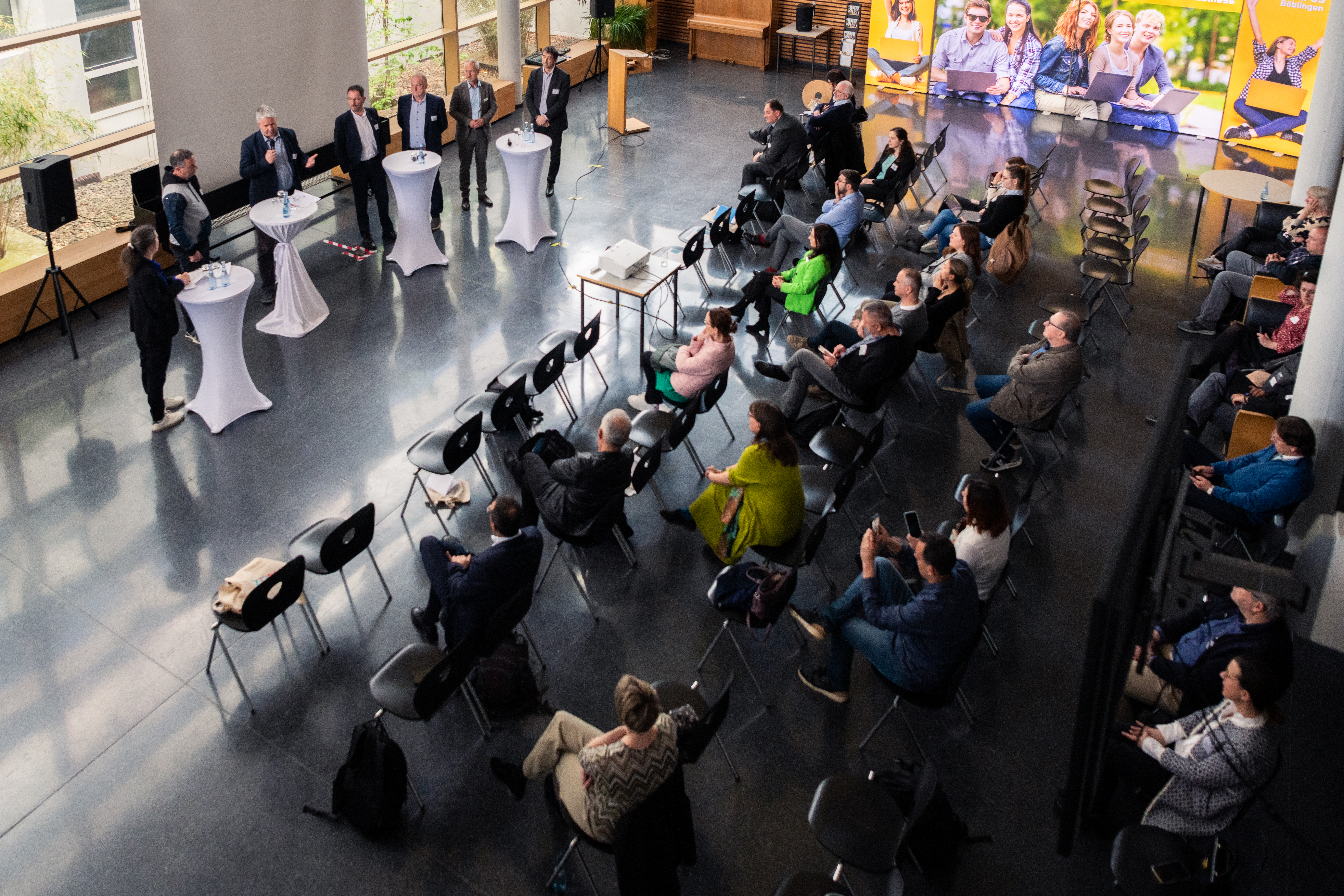
Registration desk at the DECIDE final conference. Copyright: TICM
The DECIDE project, officially titled “Digital Services for Circular Economy – a Toolbox for Regional Developers & SME”, was implemented within the Interreg Danube Region Programme and co-funded by the European Union. Its main objective was to support the development, validation, implementation and transfer of Circular Economy Business Models in the Danube Region.
Circular economy is often discussed as an important strategic priority, but turning circular ideas into viable business models is not always simple. Companies, regions and support organisations need to understand available resources, possible value chains, business opportunities, cooperation models, economic feasibility, environmental and social impacts, implementation needs and policy conditions. DECIDE was created to support exactly this process.
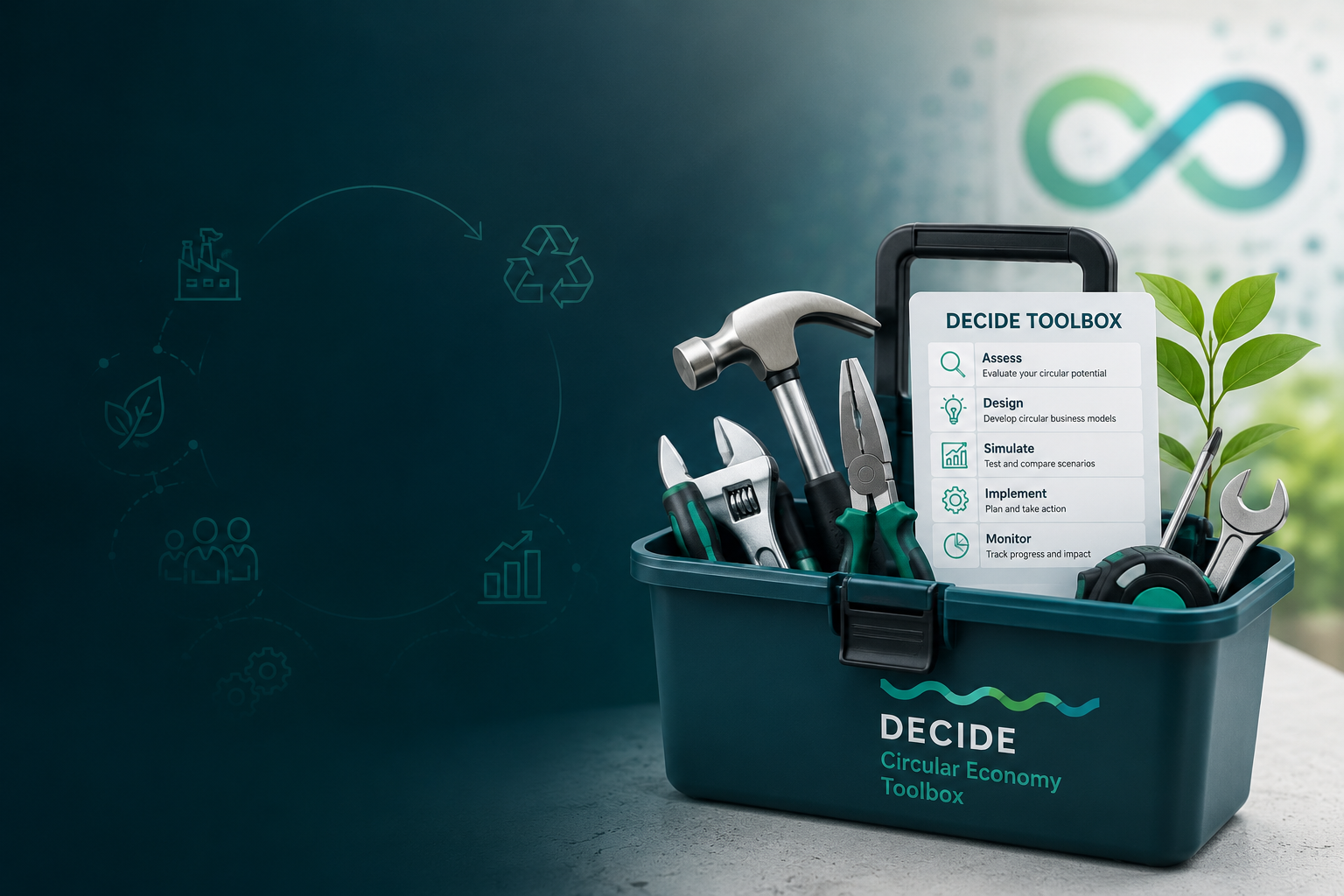
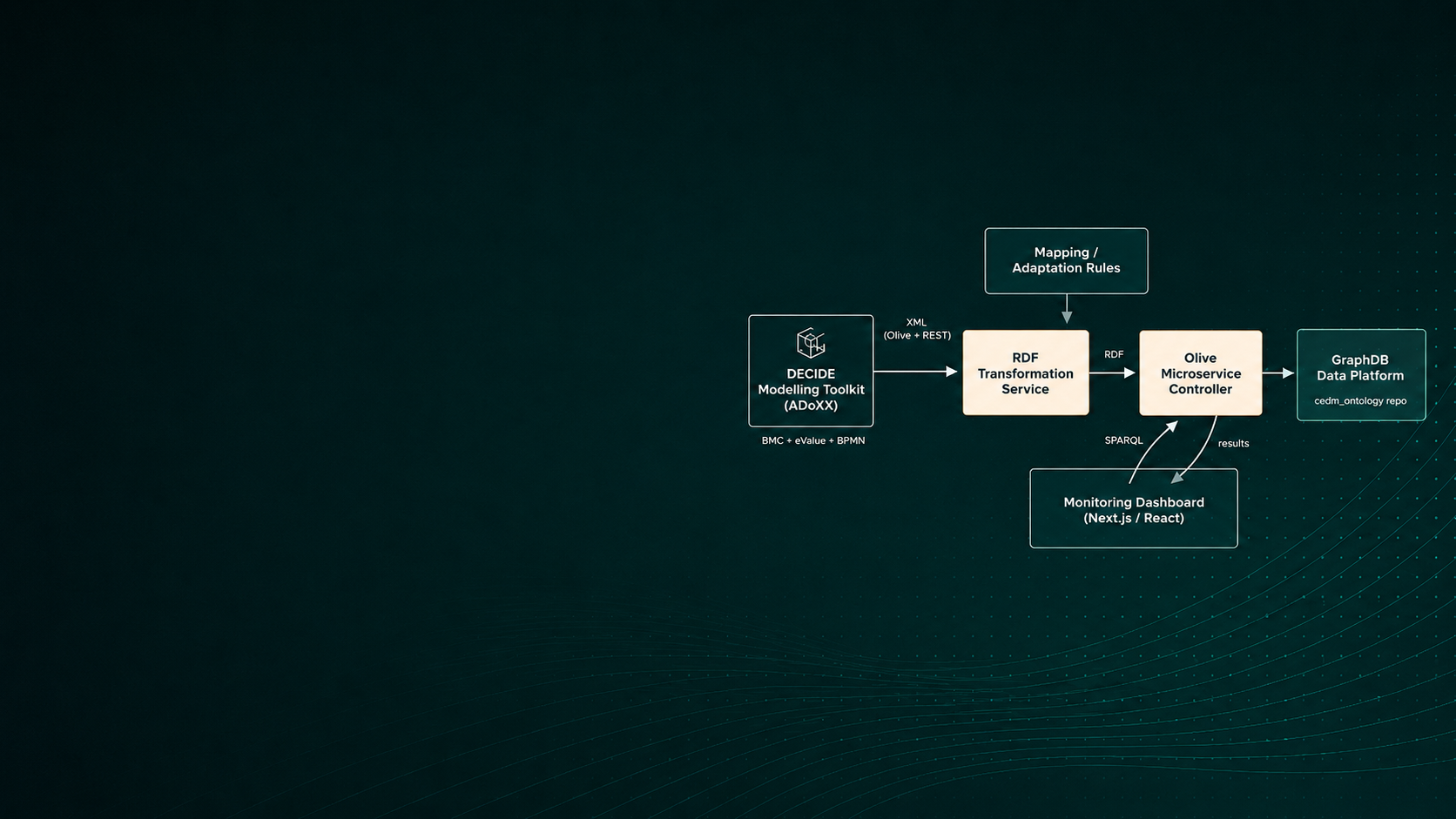
At the heart of the project is the DECIDE Toolbox, one of the most important project results. The Toolbox brings together tools, methods, data components and learning materials that support users in identifying circular opportunities, developing circular business model ideas, analysing value chains, simulating impacts, planning implementation and monitoring performance.
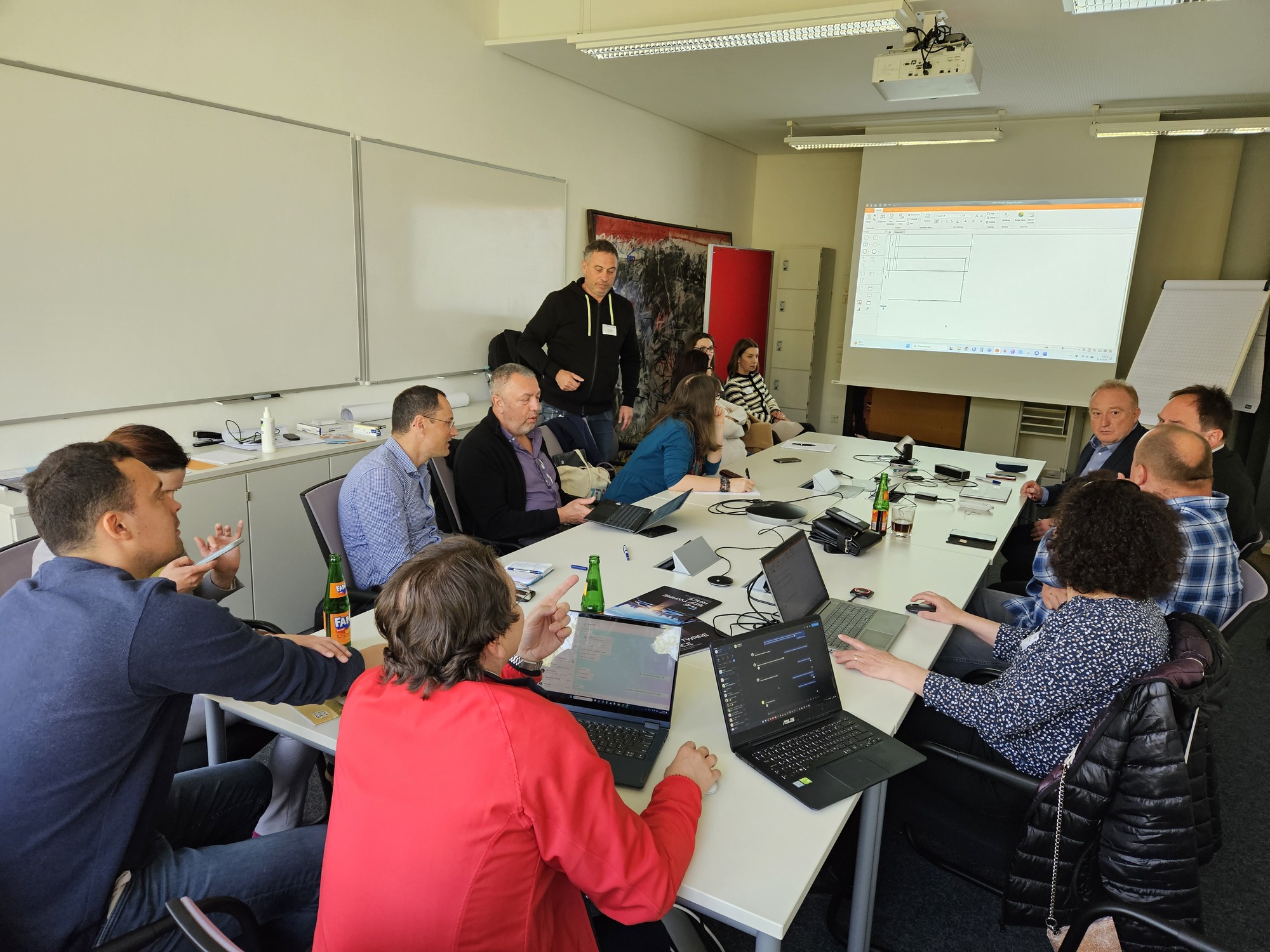
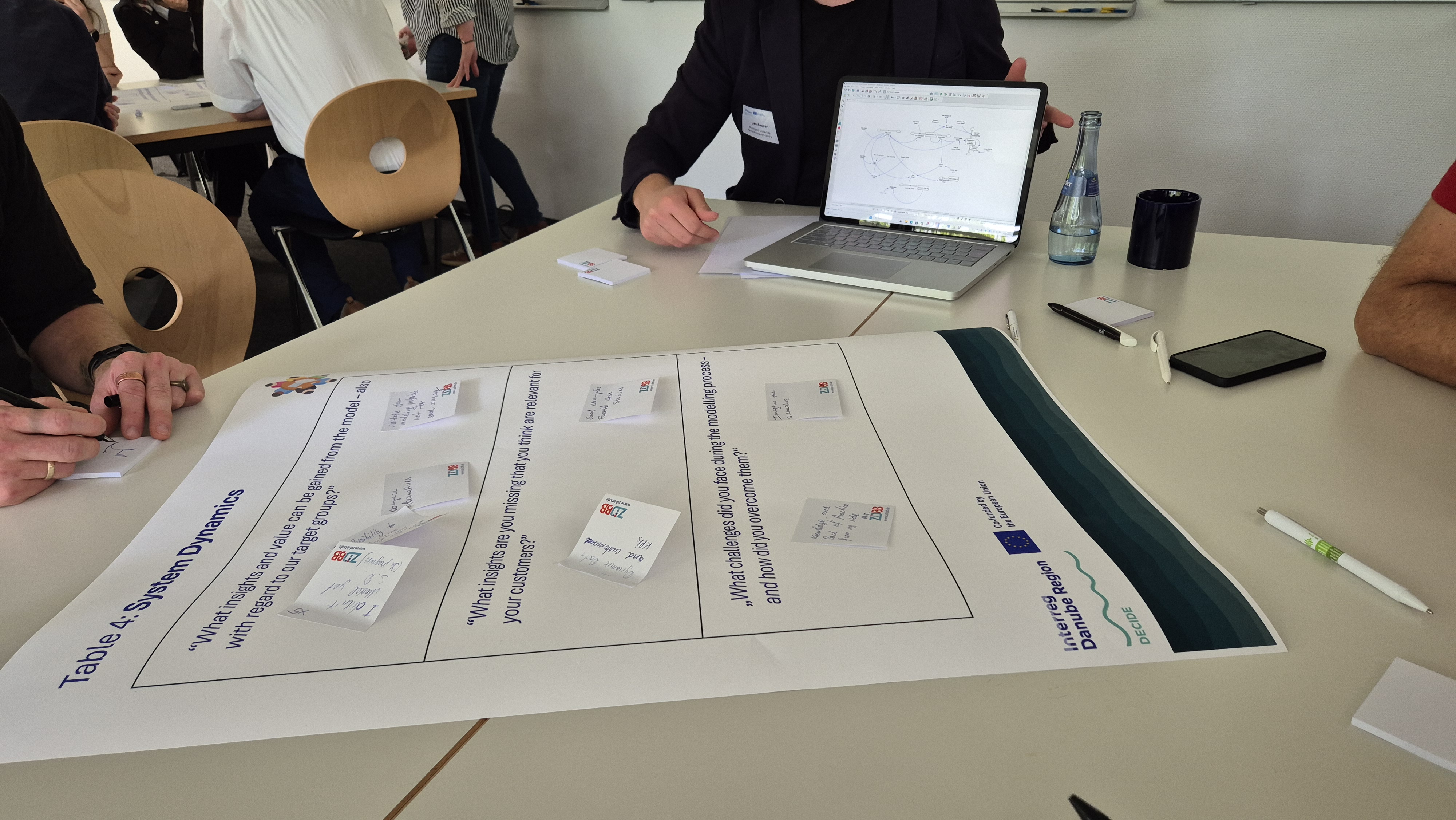
DECIDE project workshop, in the scope of the DECIDE project kick-off meeting. Copyright: TICM
The Toolbox was designed with practical users in mind, especially SMEs, start-ups, business support organisations, cluster managers, regional development agencies, public authorities, policymakers, sectoral agencies and other stakeholders working on the circular economy in the Danube Region.
A special focus was placed on five sectors with strong circular potential: food, packaging, textiles, batteries and smart cities.
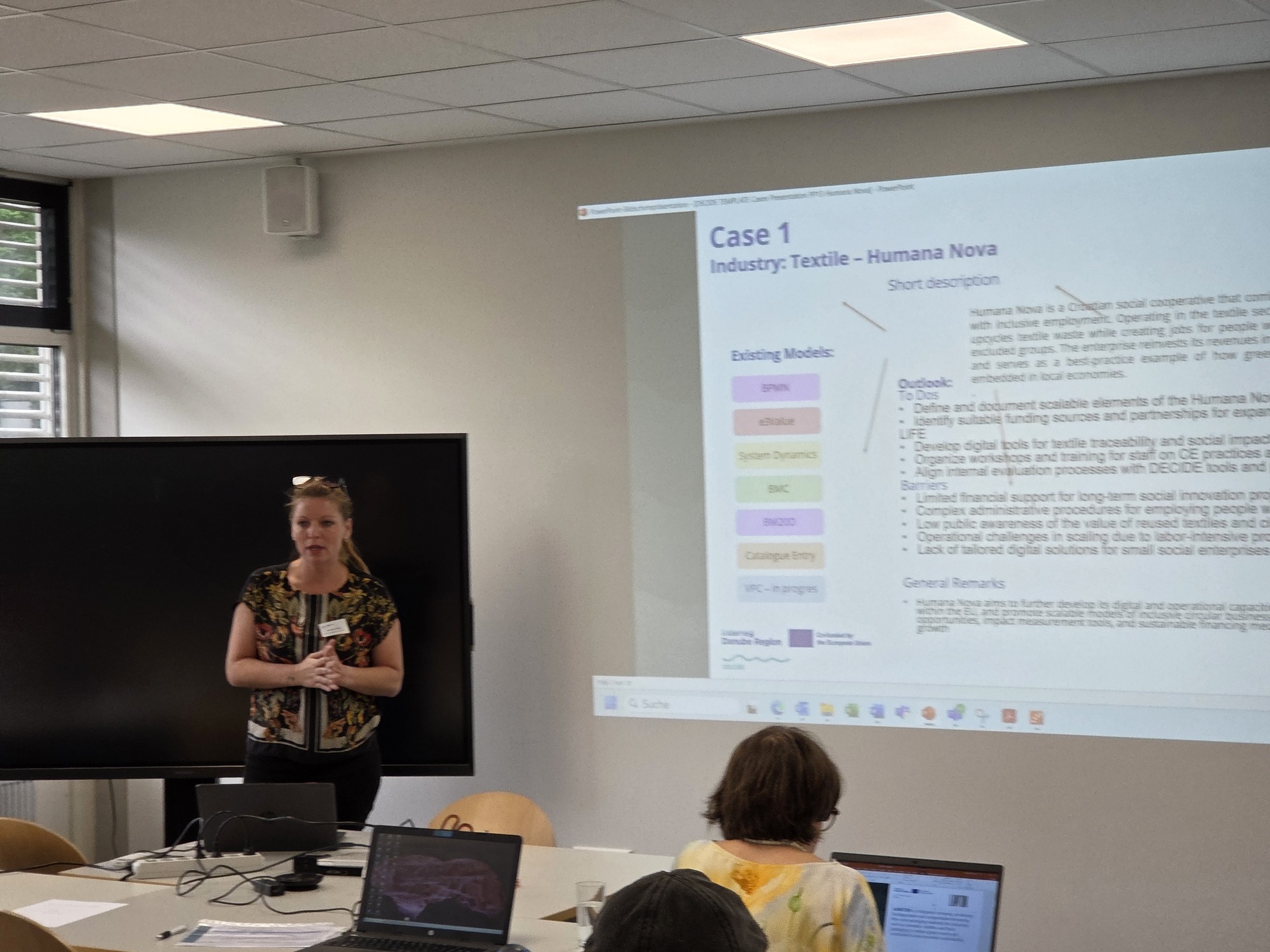
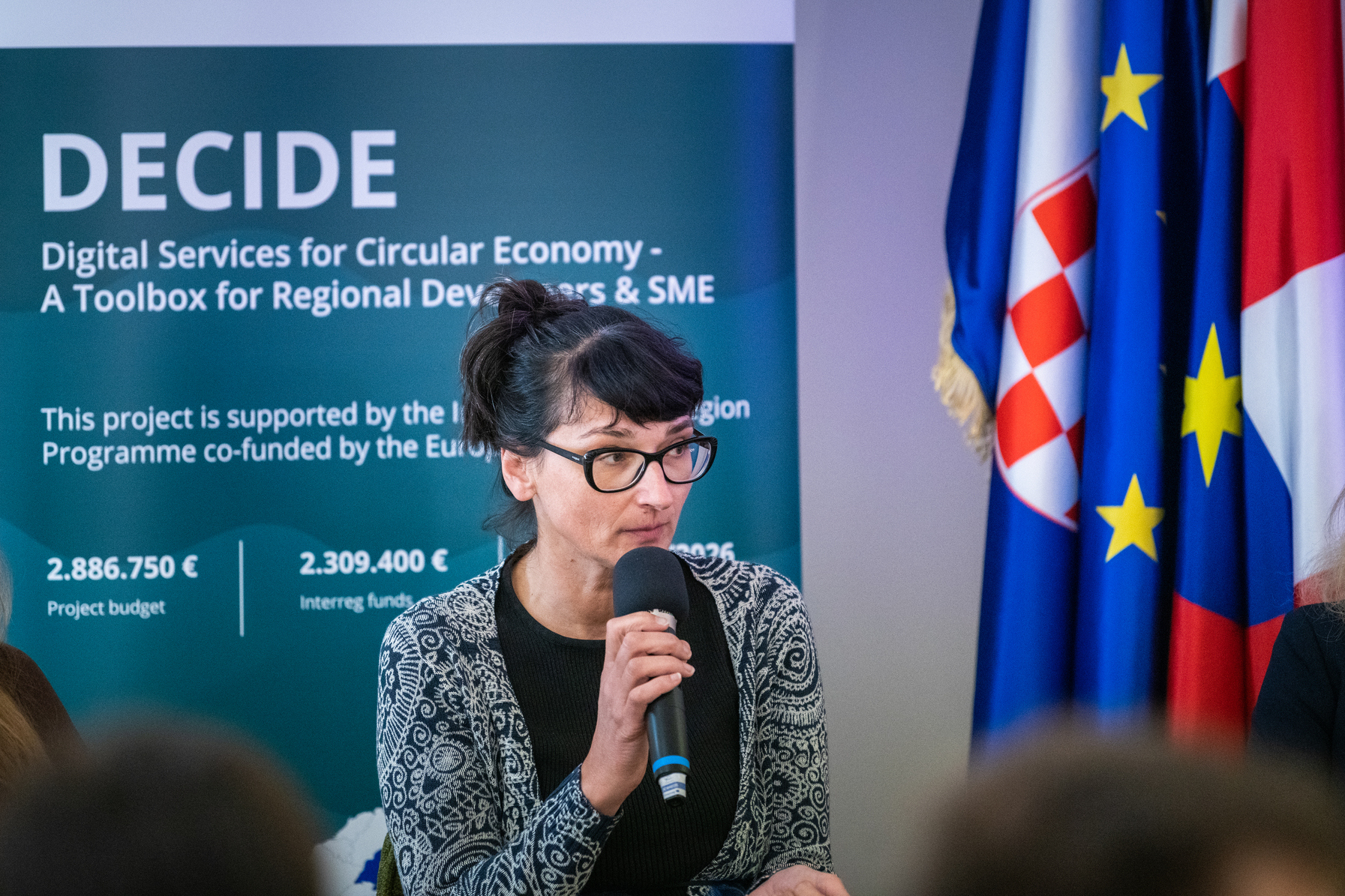
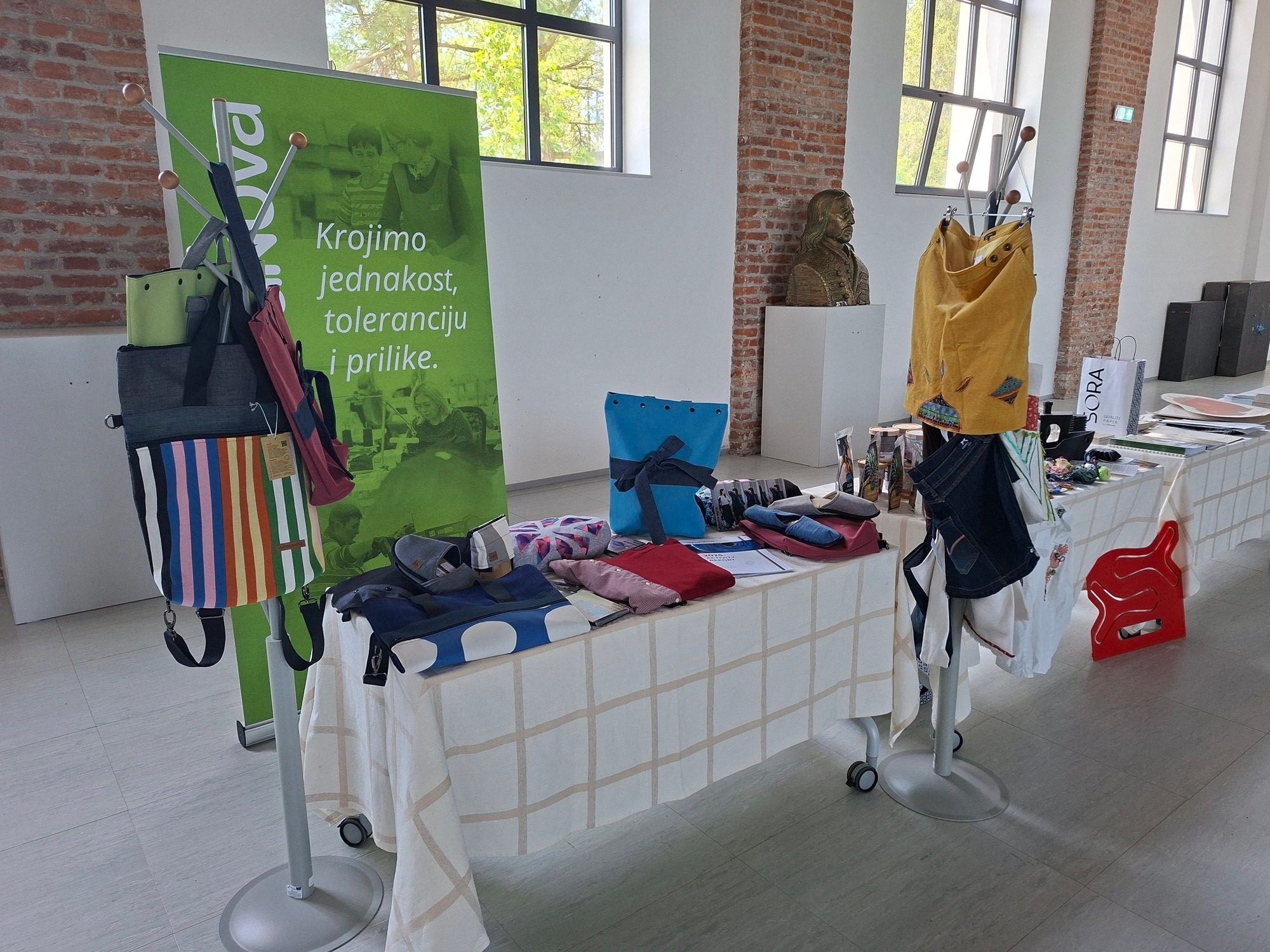
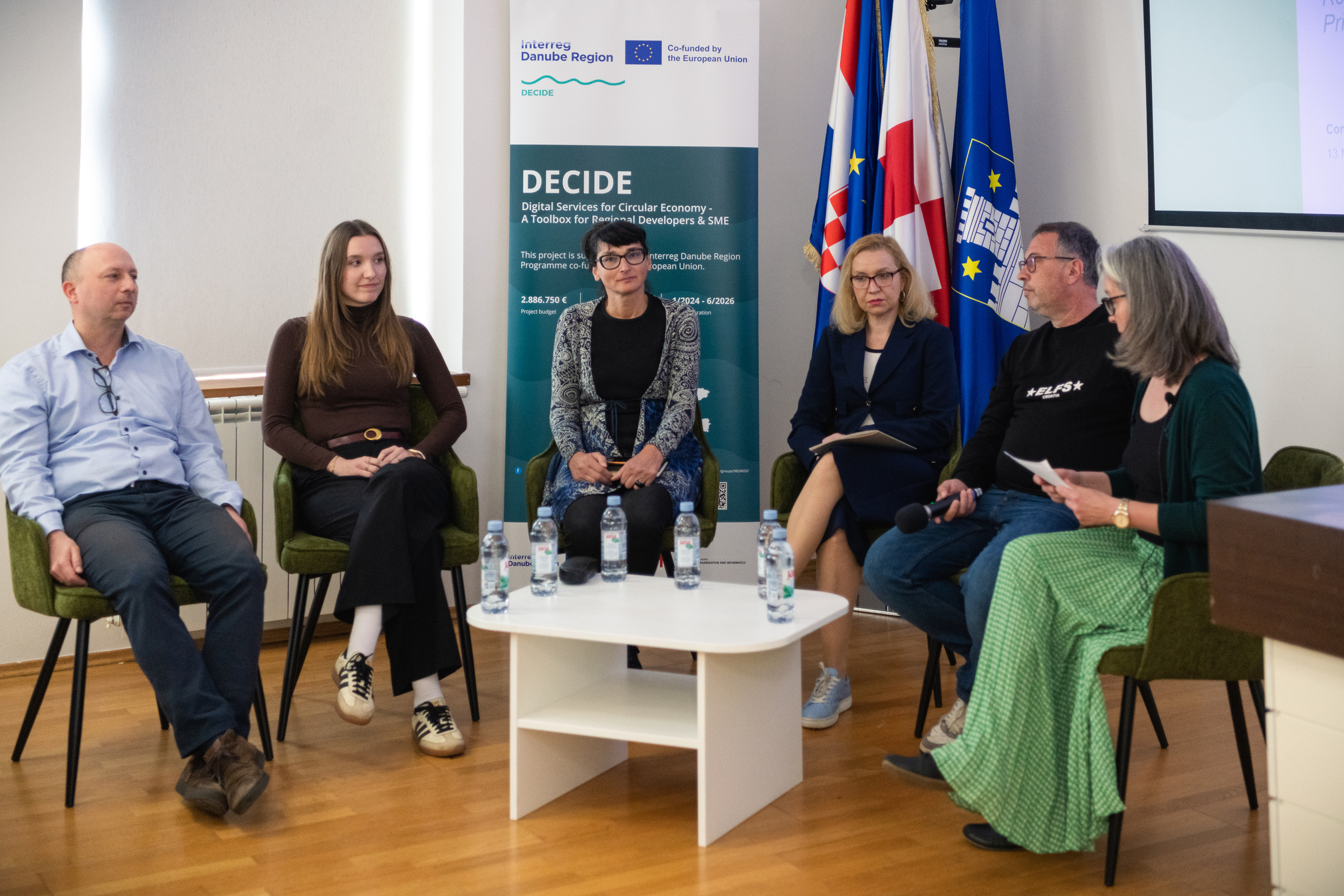
Karolina Kraljić presenting the Social Cooperative Humana Nova model, one of the DECIDE project cases, Copyright: TICM
In total, the DECIDE partnership completed 23 deliverables. More importantly, these deliverables were not isolated project documents, but connected building blocks of one wider result.
Together, they helped the project move from analysing circular economy maturity and identifying gaps in the Danube Region, to developing practical tools, testing them through pilot cases, creating learning materials, supporting data-based monitoring and formulating policy recommendations.
This is what makes the project results relevant beyond the partnership itself. They can support SMEs and start-ups in exploring circular business opportunities, help business support organisations and regional development actors in advisory and training activities, and provide policymakers with insights into the conditions needed for circular economy solutions to be adopted more widely.
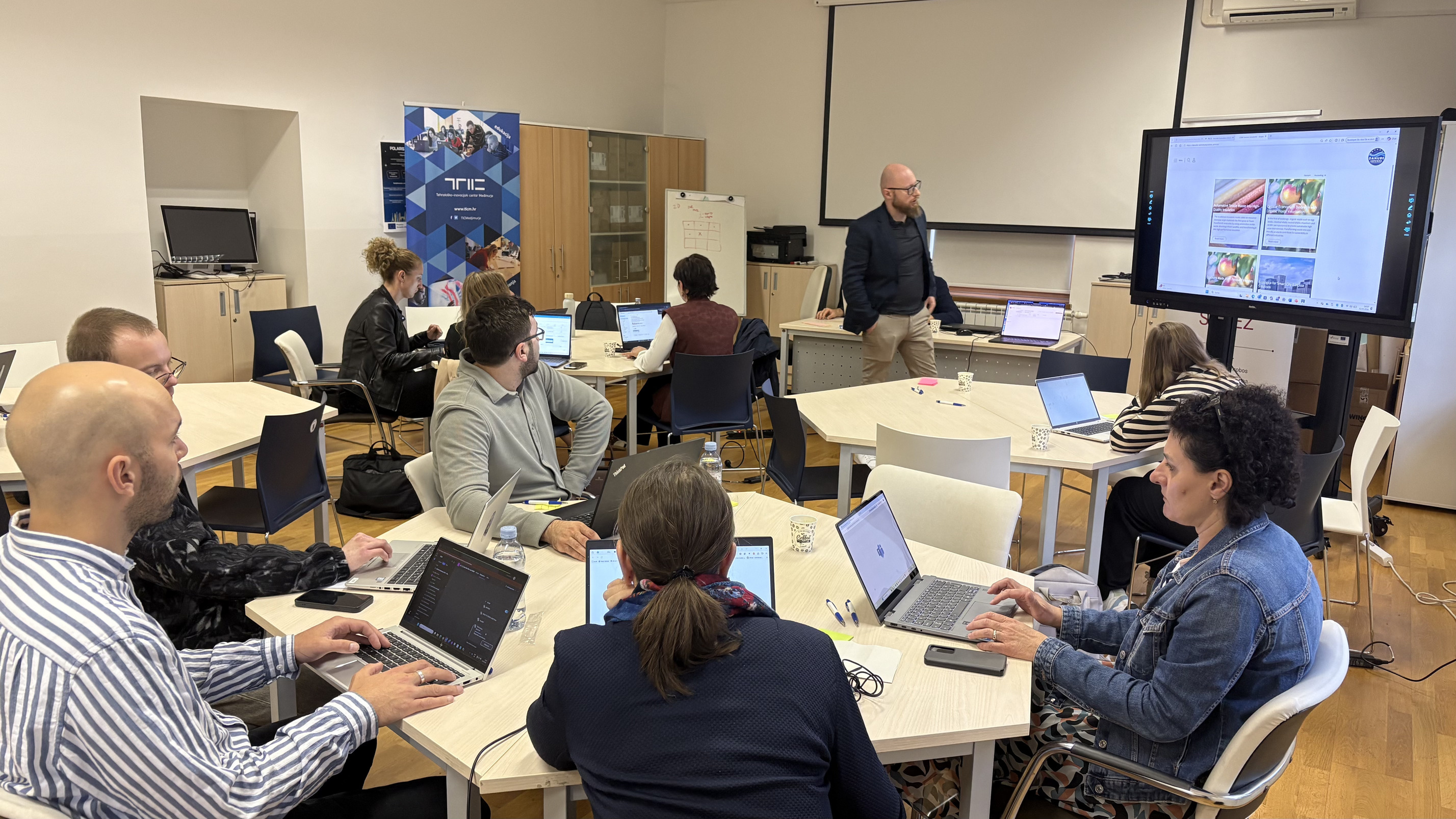
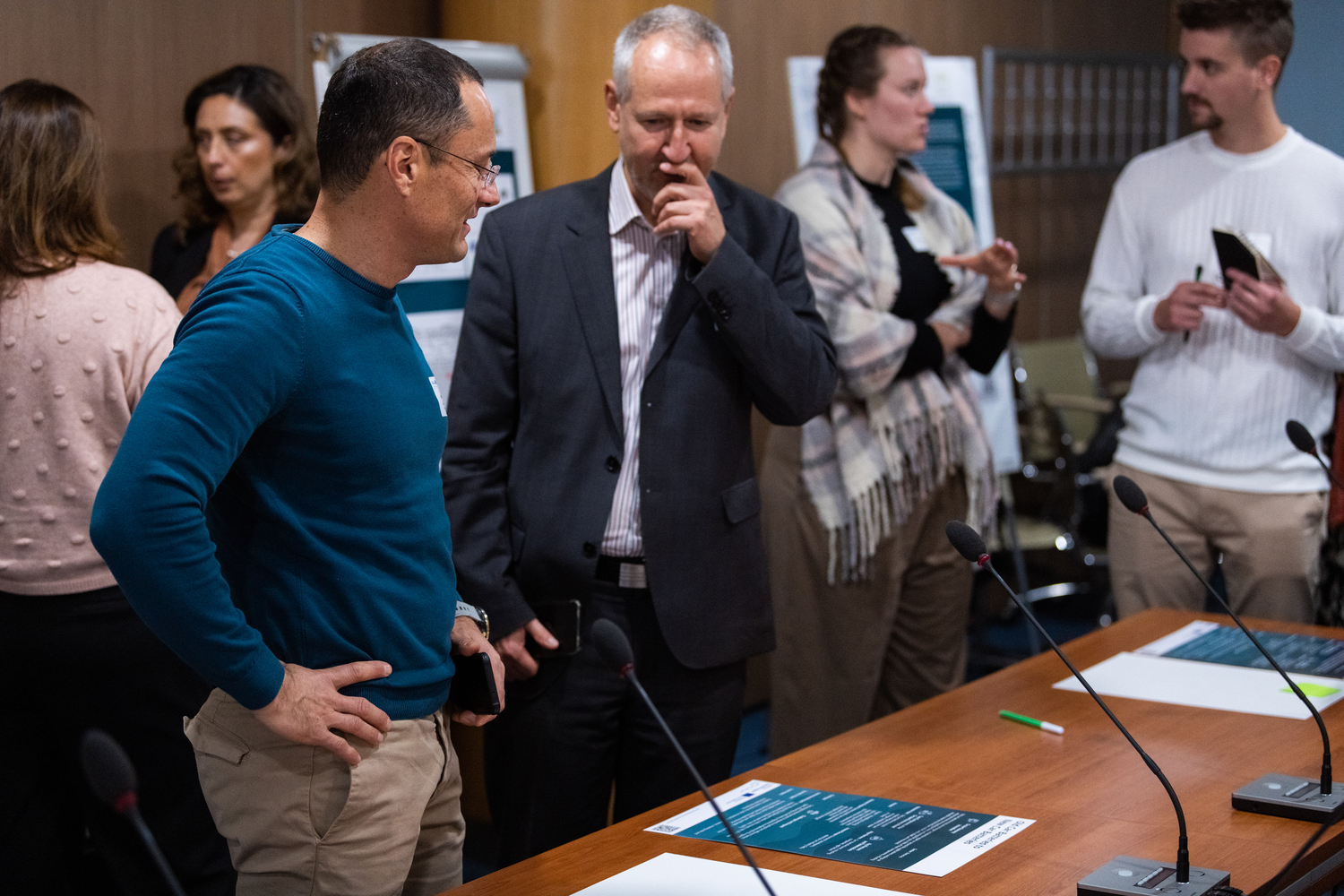
Validating the Service Catalogue during the final DECIDE meeting. Copyright: TICM
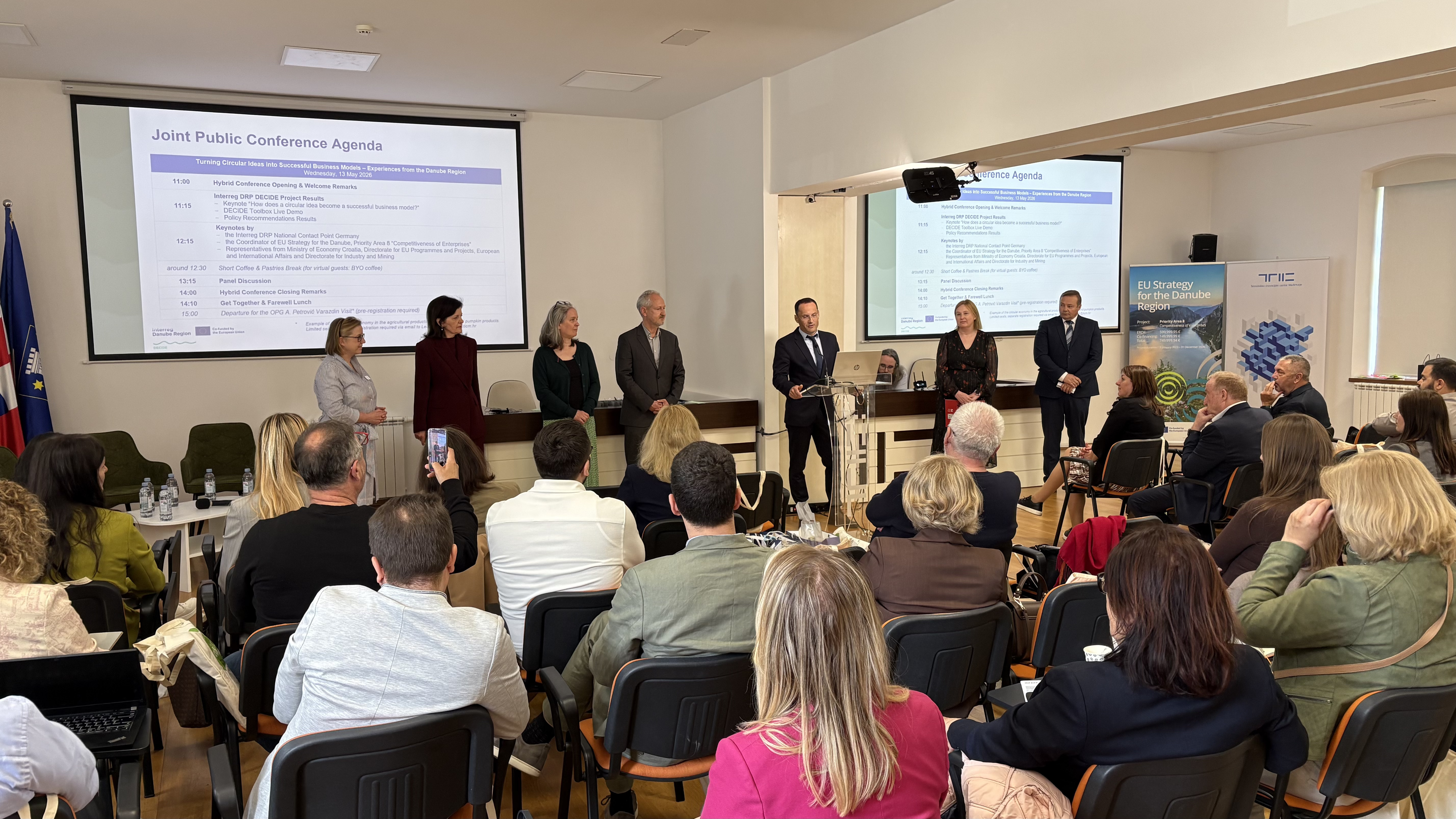
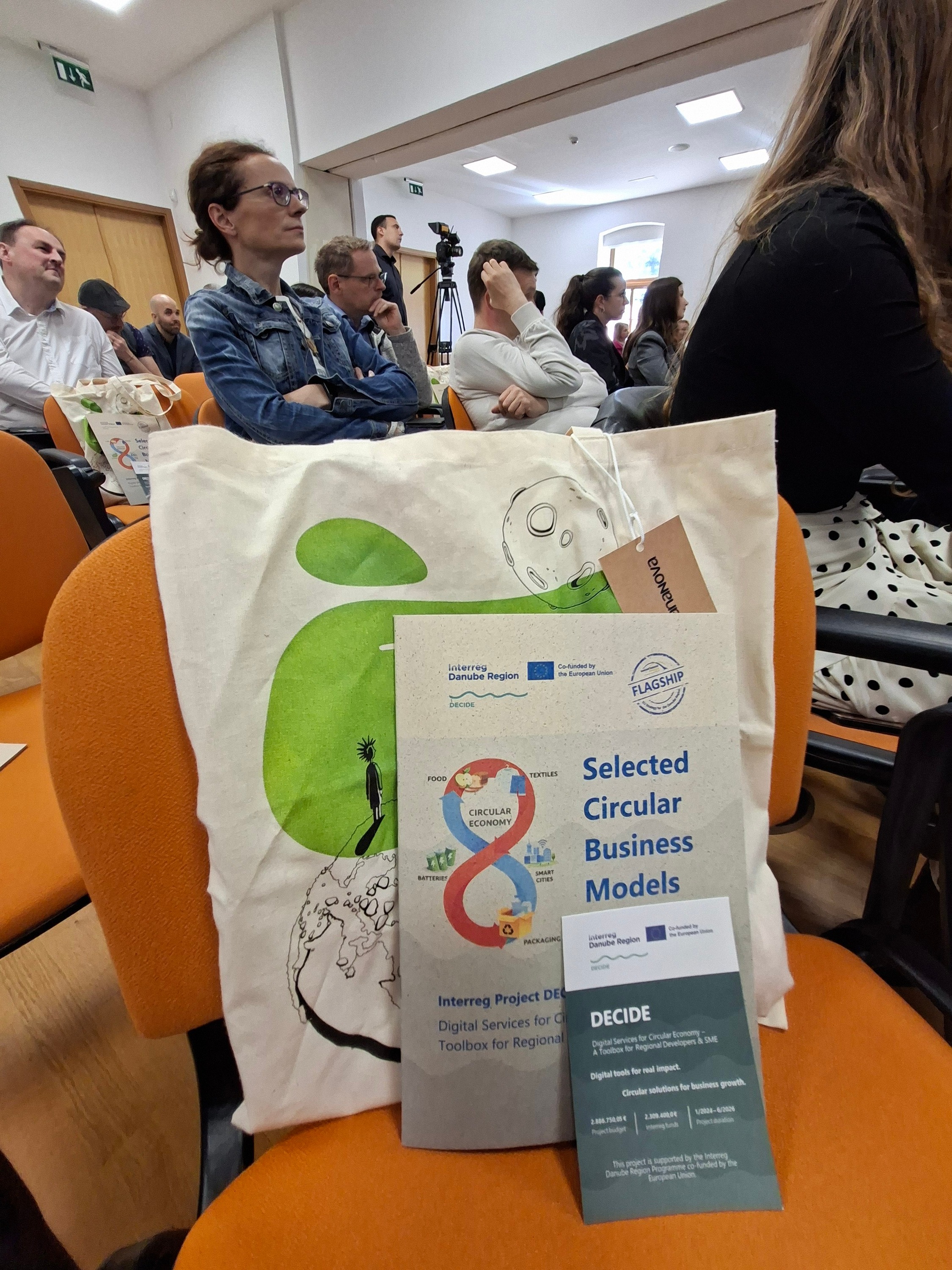
Across the project lifetime, DECIDE partners organised five project conferences in different parts of the Danube Region, creating opportunities to present results, exchange experiences and connect stakeholders working on circular economy and business model innovation. To get a sense of the atmosphere and attendance at DECIDE conferences, watch the video from the final conference in Čakovec, which brought partners and other stakeholders together for the last time.
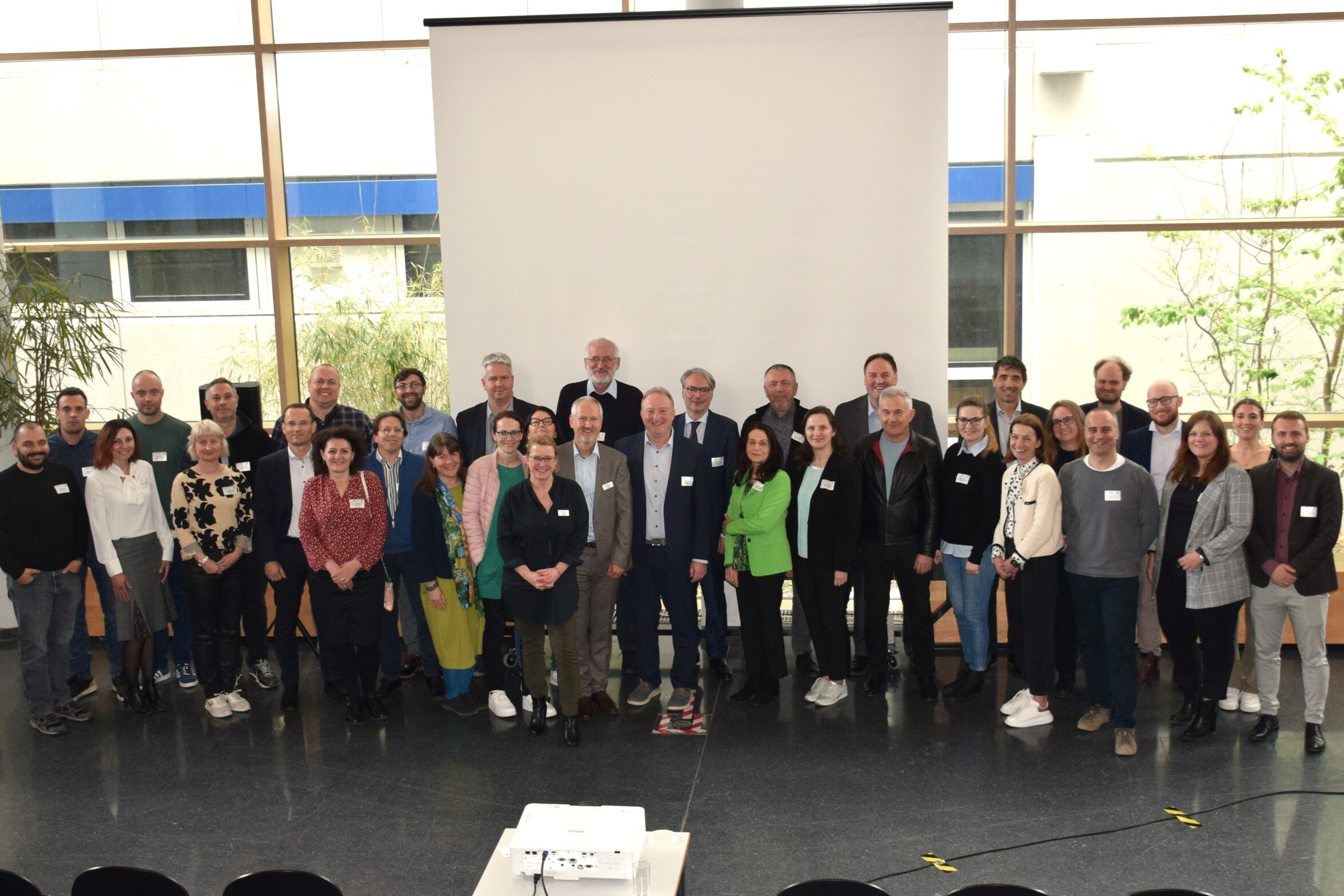
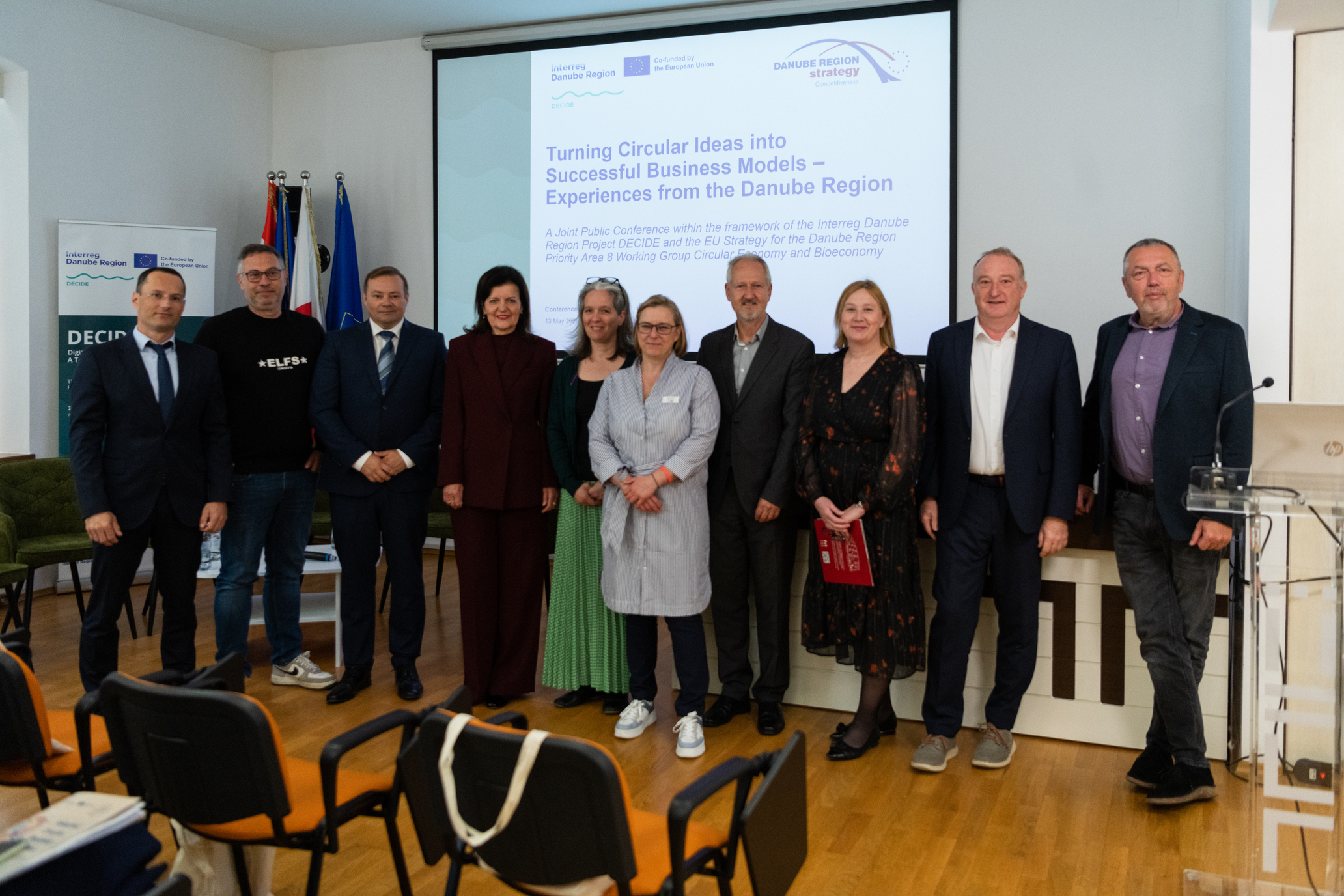
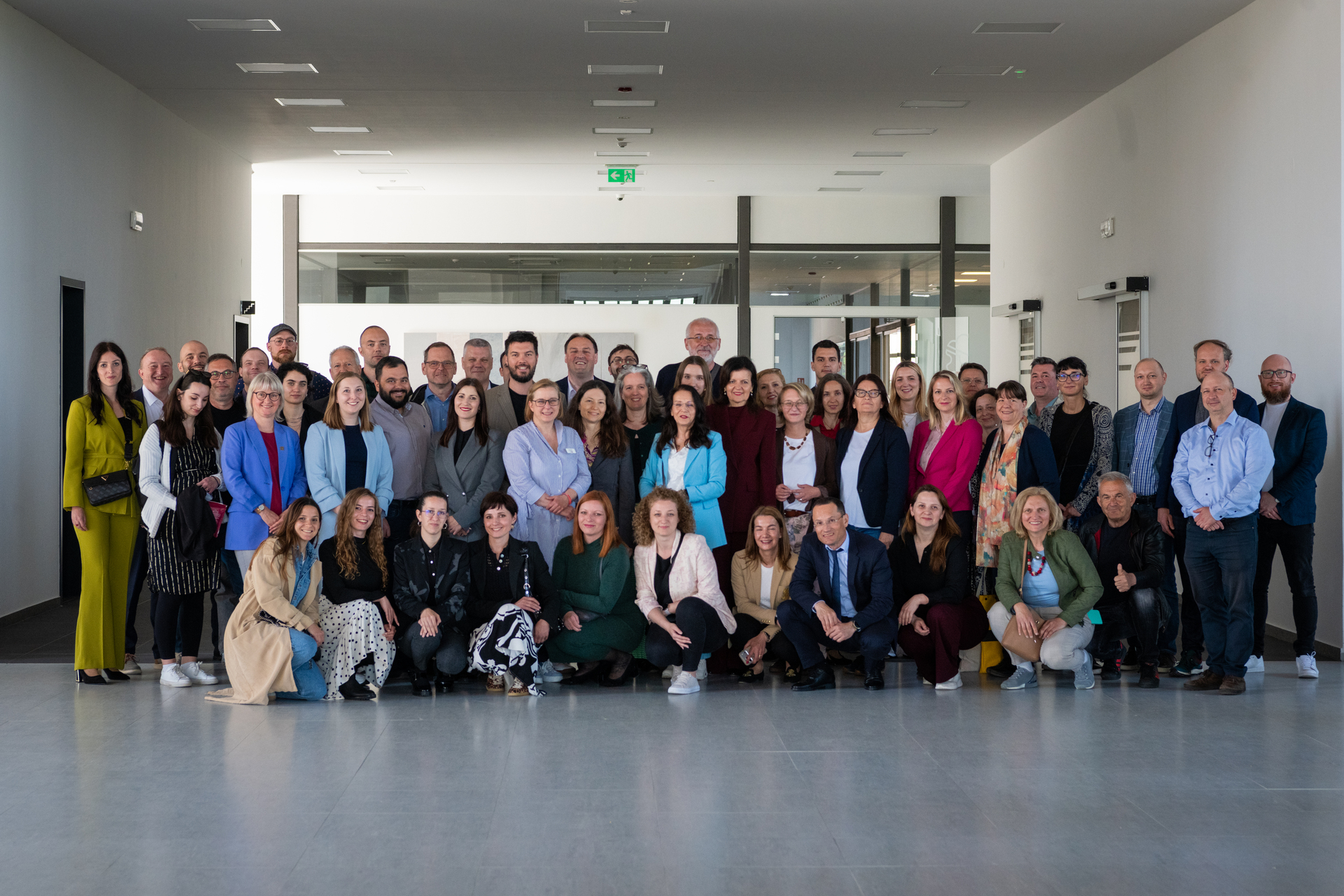 Joint photo from the DECIDE project final conference, in May 2026, in Čakovec. Copyright: TICM
The project also contributed to wider cooperation with the EU Strategy for the Danube Region, especially through connections with the EUSDR Working Group on Circular Economy and Bioeconomy and Priority Area 8 – Competitiveness of Enterprises. This cooperation helped position DECIDE within a broader policy and regional development context.
One of the strengths of DECIDE was the diversity of the partnership. Sixteen project partners from ten Danube Region countries contributed different perspectives, expertise and institutional backgrounds. This diversity was not only important for project implementation, but also for understanding how circular economy challenges and opportunities differ across countries, sectors and regional contexts.
Another important project result is the collection and dissemination of circular economy examples. Through best practice showcases, the digital brochure “8+2 Selected Circular Business Models from the Danube Region” and project publications, DECIDE helped make circular business model examples more visible and easier to understand. These materials can continue to inspire stakeholders looking for practical circular economy approaches in their own regions and sectors.
The DECIDE Service Catalogue and learning materials provide additional entry points for future users. They make project knowledge more accessible and support further learning, training and advisory activities even after the formal end of the project.
The Policy Recommendations developed within DECIDE further strengthen the project’s long-term relevance. They highlight the importance of coherent legislation, targeted financing, education, awareness and institutional coordination in supporting the broader uptake of circular economy business models. In this way, DECIDE connects practical tools with the wider framework conditions needed for circular transformation.
To support the sustainability of project results, DECIDE partners also signed a Memorandum of Understanding, confirming their shared intention to support the continued use, transfer and dissemination of project outcomes beyond the project duration. This reflects the partnership’s commitment to keeping the results alive and available for future circular economy initiatives.
The completion of DECIDE marks the end of an intensive project journey, but also the beginning of a new phase in which the developed tools, knowledge and partnerships can be used further. The project has created a strong foundation for supporting circular economy business models in the Danube Region and beyond.
After two and a half years of work, the DECIDE partnership can look back on a project that was ambitious, active and highly productive. More importantly, it can look forward knowing that the results developed together will continue to support circular economy transformation beyond the project lifetime.
This article has been developed within the framework of the project Digital Services for Circular Economy - A Toolbox for Regional Developers & SMEs (DECIDE), co-financed by the Interreg Danube Region Programme under the 2021-2027 financial period. The content reflects the views of the authors and does not necessarily represent the official position of the DECIDE project, its partners, or the programme authorities.

09/07/2026
By Lea Trojnar Mustak
Share on social media:


Smart

News & Events
Read the most recent updates and explore the upcoming events.


Would you like to receive project updates?
You're already part of our community!
Welcome to our newsletter community!
Subscribe to our newsletter