
DECIDE Toolbox completed: a major milestone for circular business model support in the Danube Region
After extensive joint work throughout the DECIDE project, one of its central results has now been completed: the Synthesized DECIDE Toolbox.
Deliverable D1.3.1 brings together the key tools, methods and learning materials developed during the project into one integrated support framework for Circular Economy Business Models. Its finalisation marks an important achievement for the DECIDE partnership, as it connects the results of several project activities into a coherent toolbox designed to support circular transformation in practice.
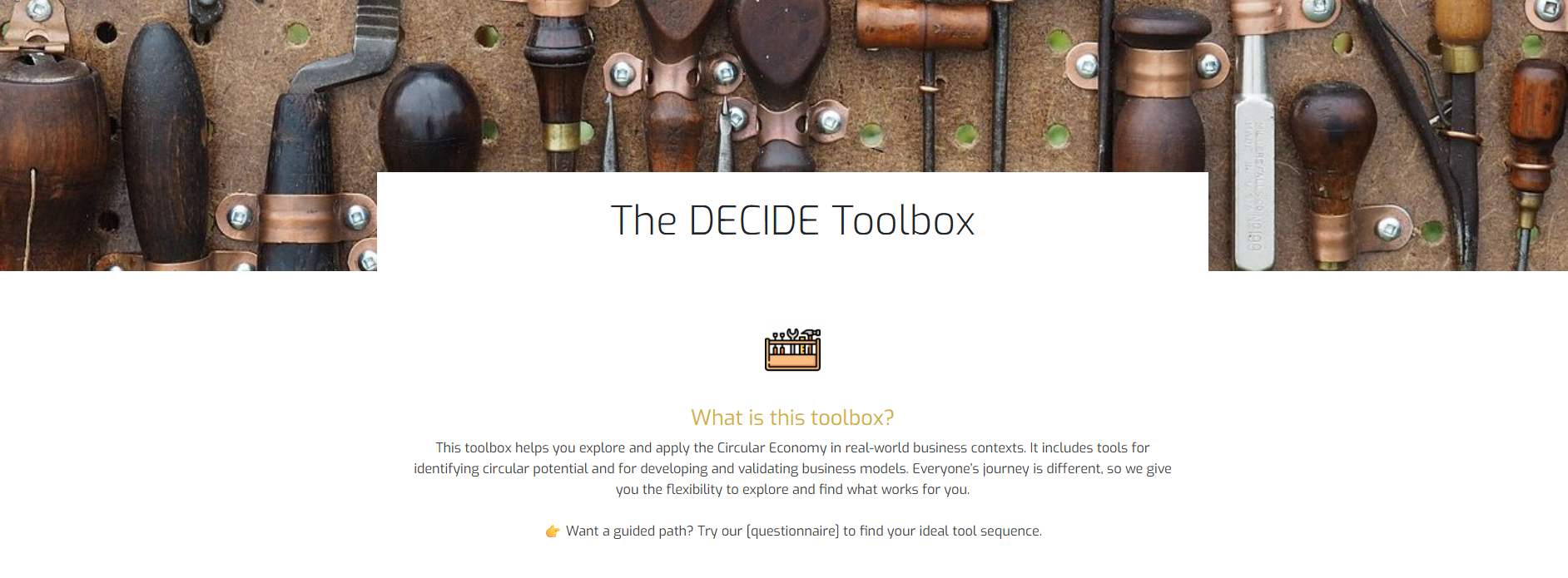
DECIDE Toolbox; Screenshot from the Service catalogue, on danube-services.eu
Circular Economy Business Models can help companies and regions reduce waste, use resources more efficiently and create new value from materials that are often treated as by-products or residual flows. However, turning a circular idea into a practical and viable business model is rarely simple. It often requires cooperation between several actors, analysis of value chains, assessment of economic and environmental impacts, planning of implementation steps and continuous monitoring.
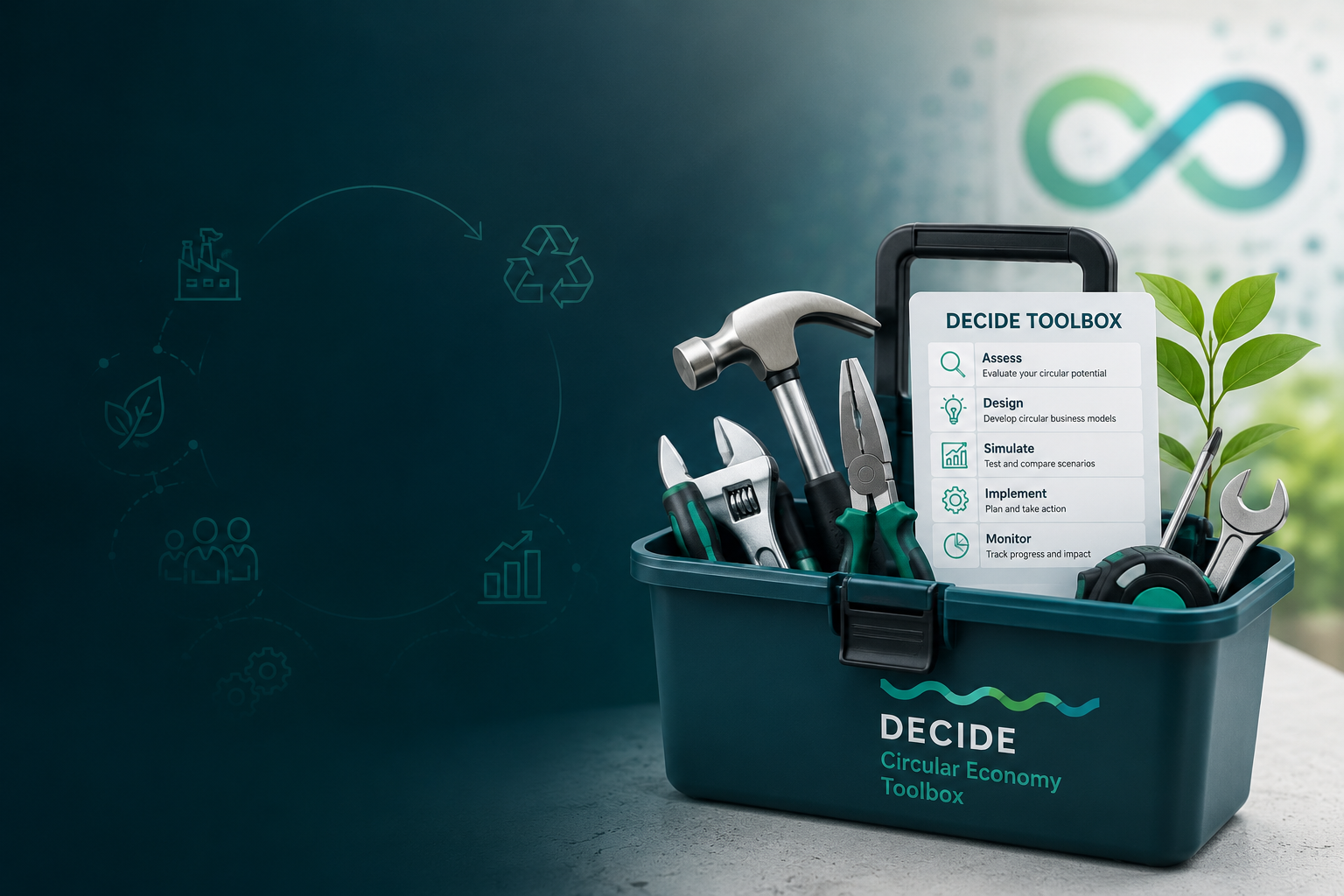
The DECIDE Toolbox was developed to support this process. It helps stakeholders in the Danube Region identify circular opportunities, develop business model ideas, analyse value chains, simulate impacts, plan implementation and monitor performance. It is especially relevant for SMEs, start-ups, business support organisations, cluster managers, regional development agencies, policymakers and other actors working on circular economy solutions.
The Toolbox is designed to support circular economy work in five sectors with strong circular potential: food, packaging, textiles, batteries and smart cities.
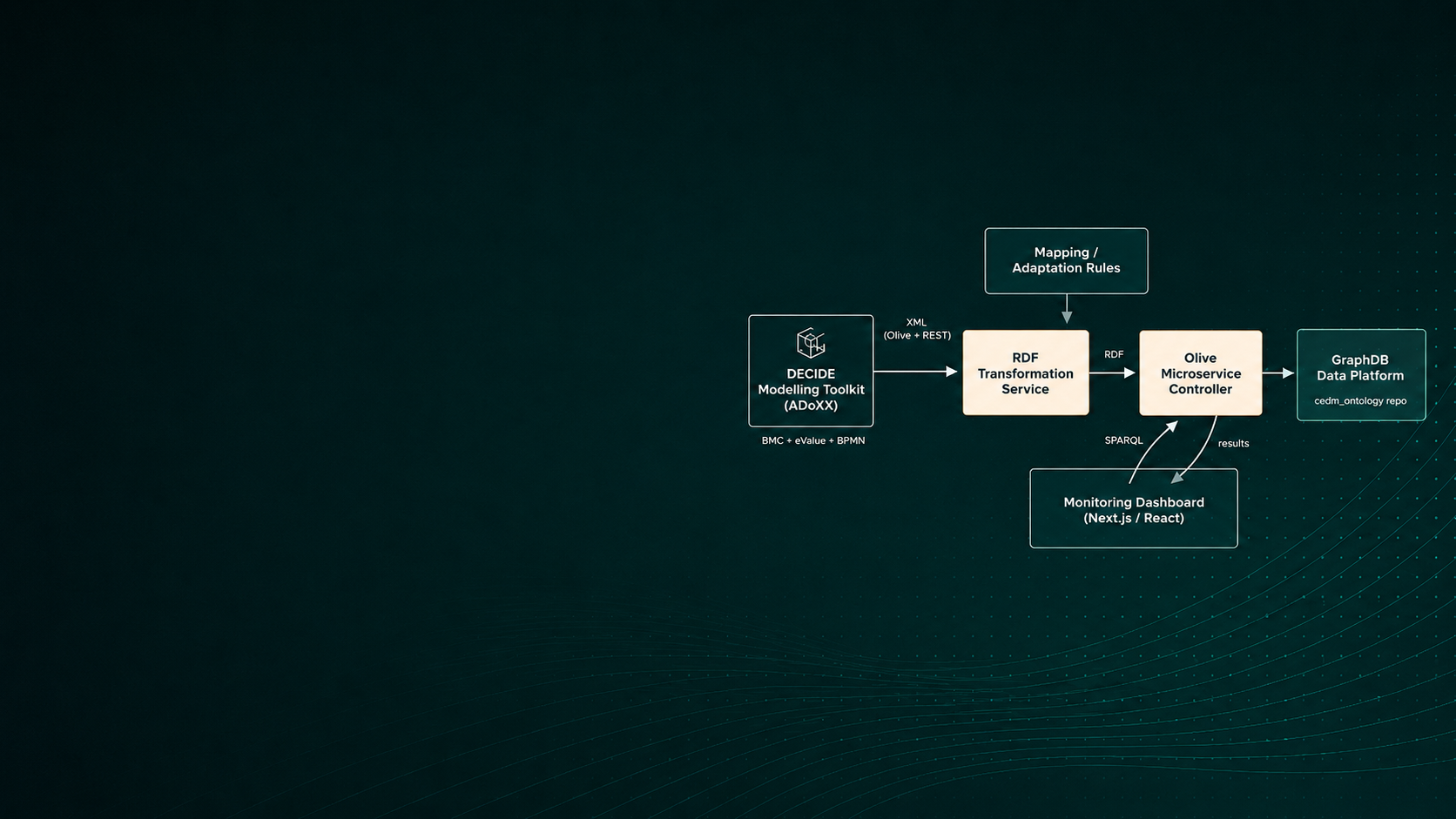
A key strength of the DECIDE Toolbox is that it combines several complementary tools and methods. These include the Circular Economy Business Model Catalogue and Value Chain Generator for identifying opportunities, Business Model Canvas for structuring business ideas, e3Value for analysing value exchanges, BPMN for process modelling, System Dynamics for impact simulation, the Digital Service Implementation Recommender for implementation planning, and the Data Platform and Monitoring Dashboard for storing, connecting and visualising circular business model data.
The Toolbox is also supported by e-learning and training materials, making the tools easier to understand and use in workshops, advisory services and future learning activities.
By connecting these components, the Toolbox allows users to move from an initial circular opportunity to a more complete understanding of how a business model could work in practice: who needs to be involved, how value is created and exchanged, which processes and capabilities are needed, and what economic, environmental and social impacts may be expected.
The Toolbox was demonstrated through practical cases, including the transformation of whey, a by-product of cheese production, into higher-value products such as whey protein concentrate and lactose. This example shows how a material often treated as waste or used in low-value applications can become the basis for a circular business model with new economic potential.
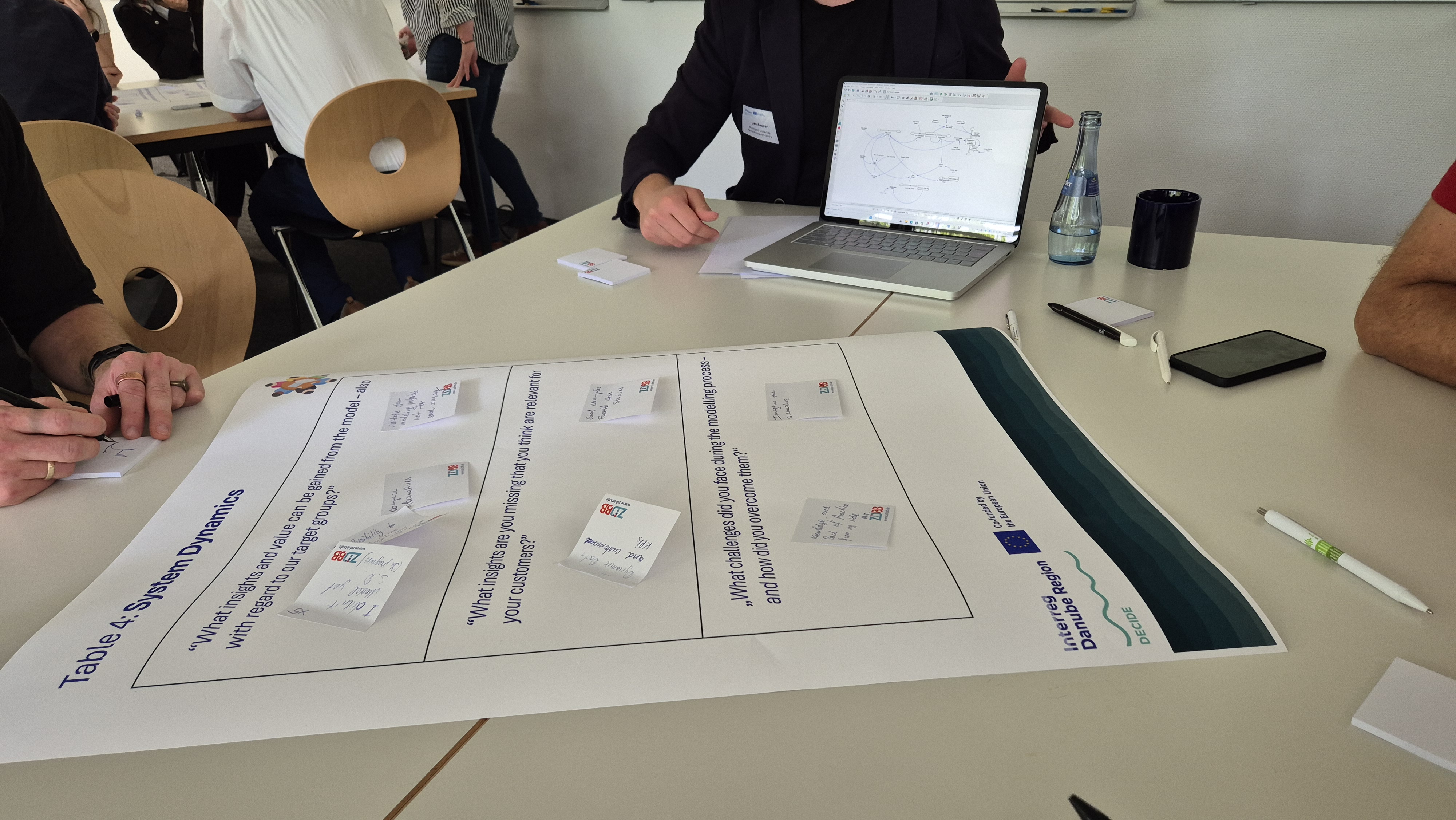
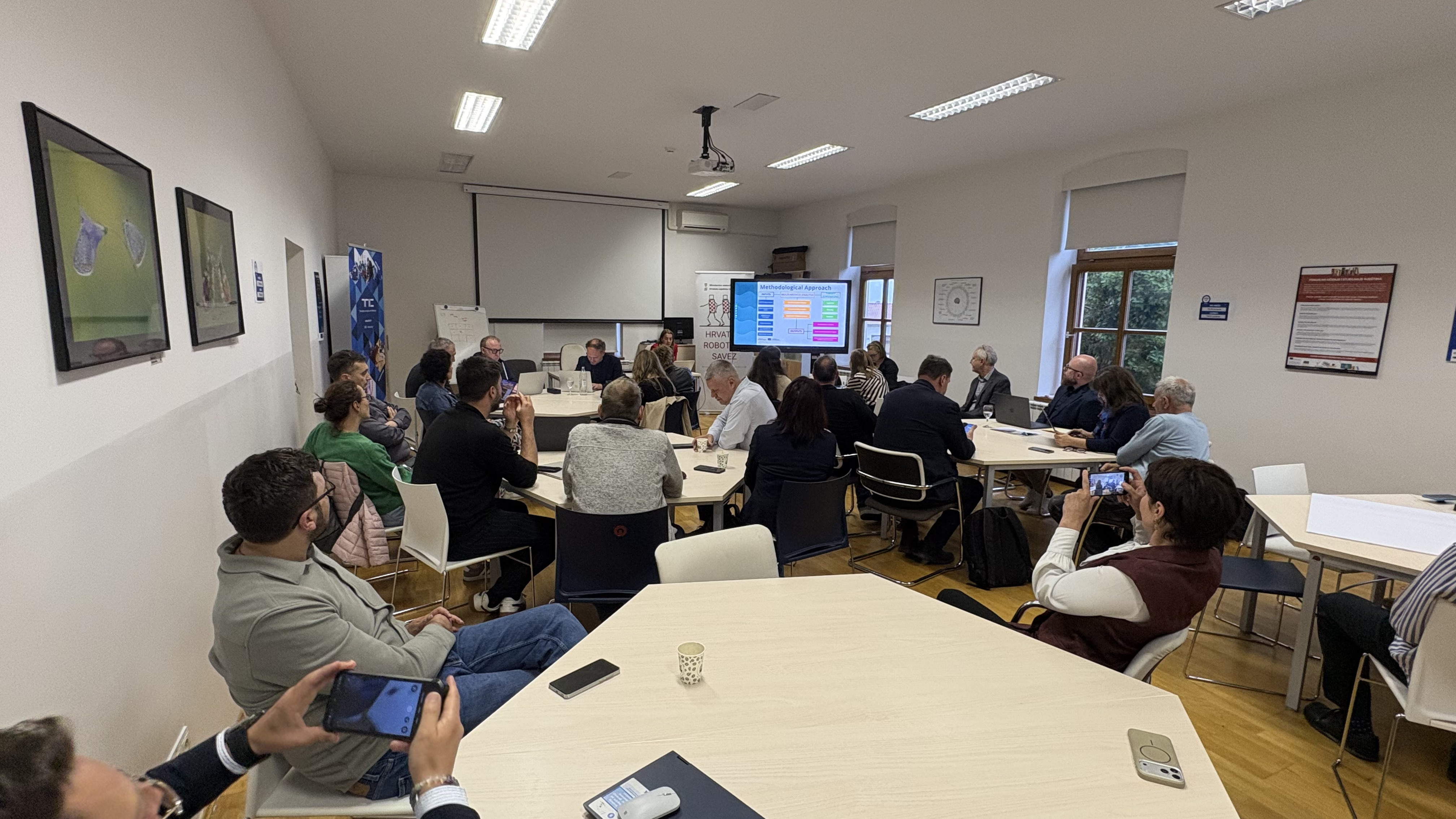
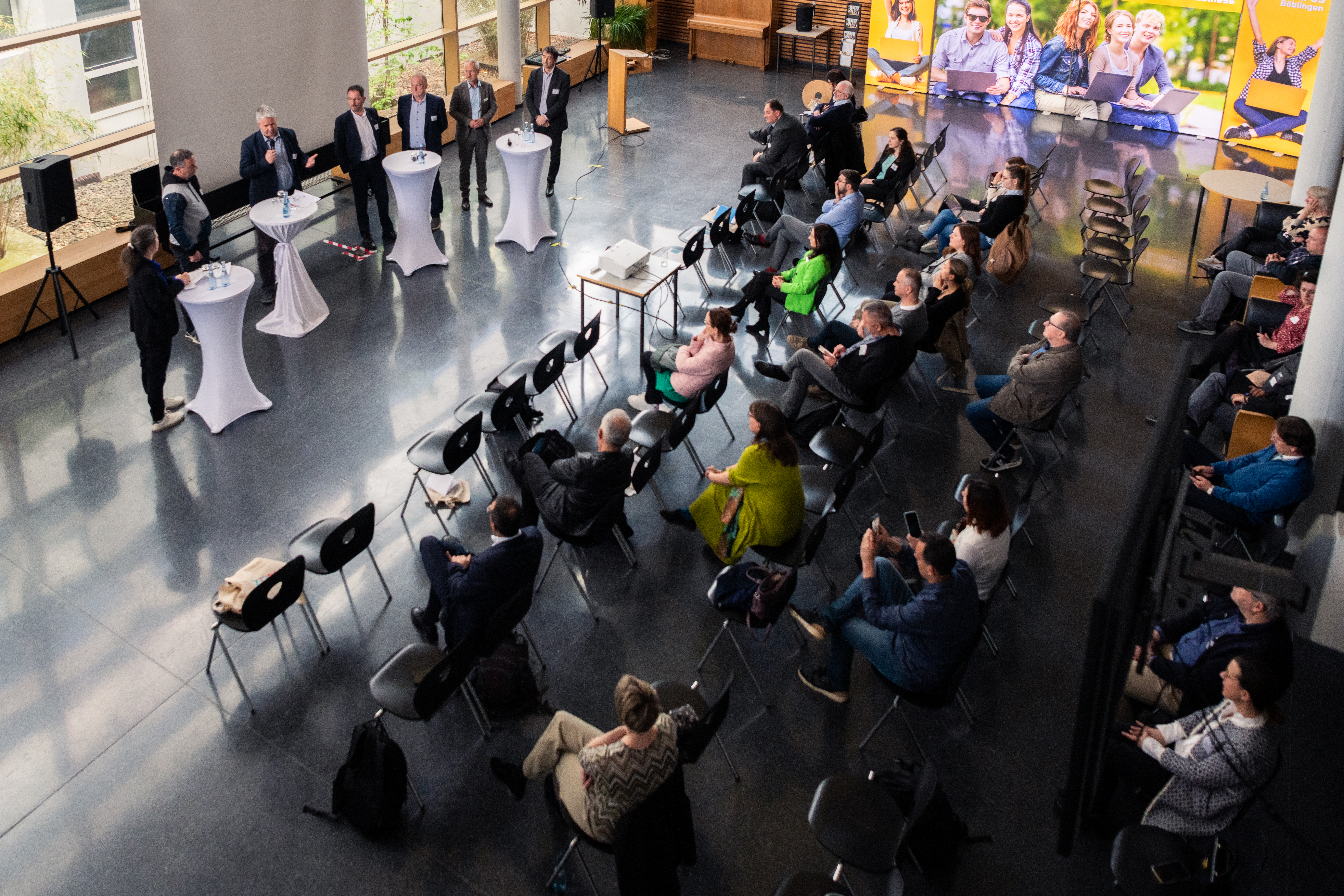
The Toolbox was also tested and evaluated through project activities such as Train-the-Trainer workshops, World Café discussions, capability workshops and pilot cases from across the Danube Region. These activities confirmed the relevance of the integrated approach for supporting circular business model development and generating evidence for decision-making.
For SMEs, the DECIDE Toolbox can provide practical support in exploring whether a circular idea is viable and what would be needed to implement it. For business support organisations, cluster managers and regional development agencies, it can serve as a structured framework for advisory work, workshops and regional circular economy initiatives. For policymakers and sectoral agencies, it can support a better understanding of circular value chains and the conditions needed for their transfer and scaling.
Although developed in the Danube Region, the Toolbox can also be adapted to other regions, sectors and organisational contexts. Its modular structure allows users to apply selected tools according to their needs or to follow the full integrated workflow.
By finalising Deliverable D1.3.1, DECIDE has completed a major project result that brings together digital tools, methods and learning resources for circular economy business model development. The Synthesised DECIDE Toolbox provides a practical basis for supporting the uptake, transfer and scaling of sustainable and resource-efficient business models beyond the project duration.
This article has been developed within the framework of the project Digital Services for Circular Economy - A Toolbox for Regional Developers & SMEs (DECIDE), co-financed by the Interreg Danube Region Programme under the 2021-2027 financial period. The content reflects the views of the authors and does not necessarily represent the official position of the DECIDE project, its partners, or the programme authorities.

07/07/2026
By Lea Trojnar Mustak
Share on social media:


Smart

News & Events
Read the most recent updates and explore the upcoming events.


Would you like to receive project updates?
You're already part of our community!
Welcome to our newsletter community!
Subscribe to our newsletter