Case Studies
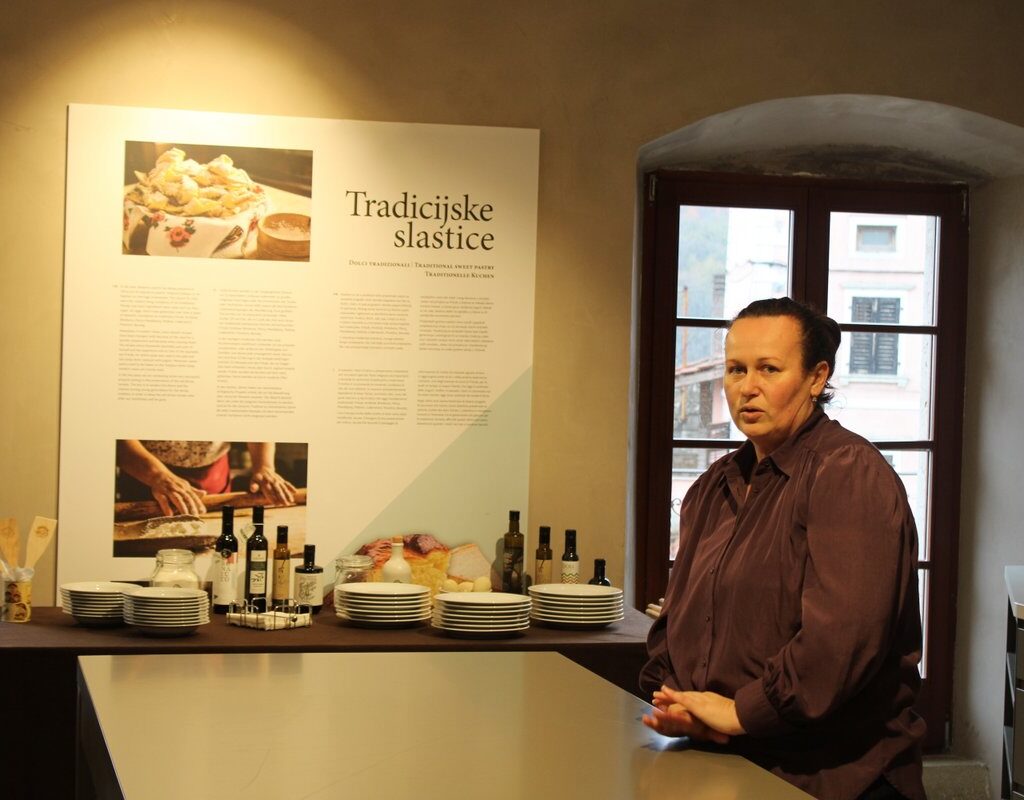
This case study presents one of the key SReST pilot actions, focusing on transforming local food heritage and agrobiodiversity into a real tourism experience on the island of Krk. The process started with capacity-building and inspiration: local stakeholders such as farmers, chefs and tourism providers were taken on a study visit to Istria, where they explored successful examples of integrating gastronomy and tourism.
This was followed by a certified training in heritage interpretation, helping participants learn how to present local traditions and food culture in an engaging way for visitors.
At the same time, collaboration between partners intensified through workshops and meetings, where the concept of a new tourism product was co-created. The result was the “Krklicious Active Experience” – a walking gastro-tour combining landscape, storytelling and food.
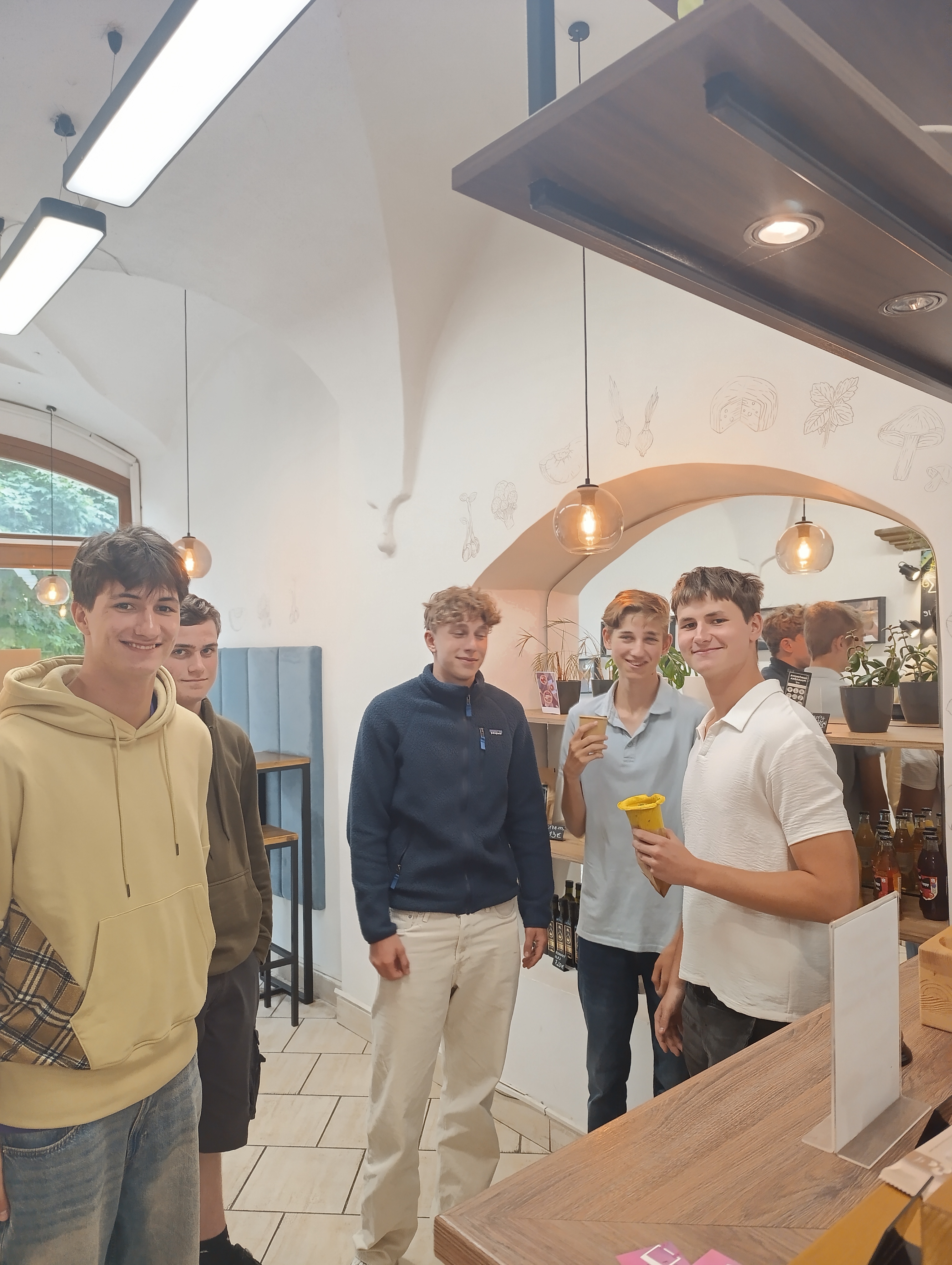
The itinerary, developed within this pilot action, was tested in September 2025 as a real-life experience. Participants followed a curated route from Porat to Malinska, including a traditional breakfast at a monastery, walks through olive groves and dry-stone landscapes, tasting local dishes such as homemade šurlice pasta, and visiting a historic olive mill.
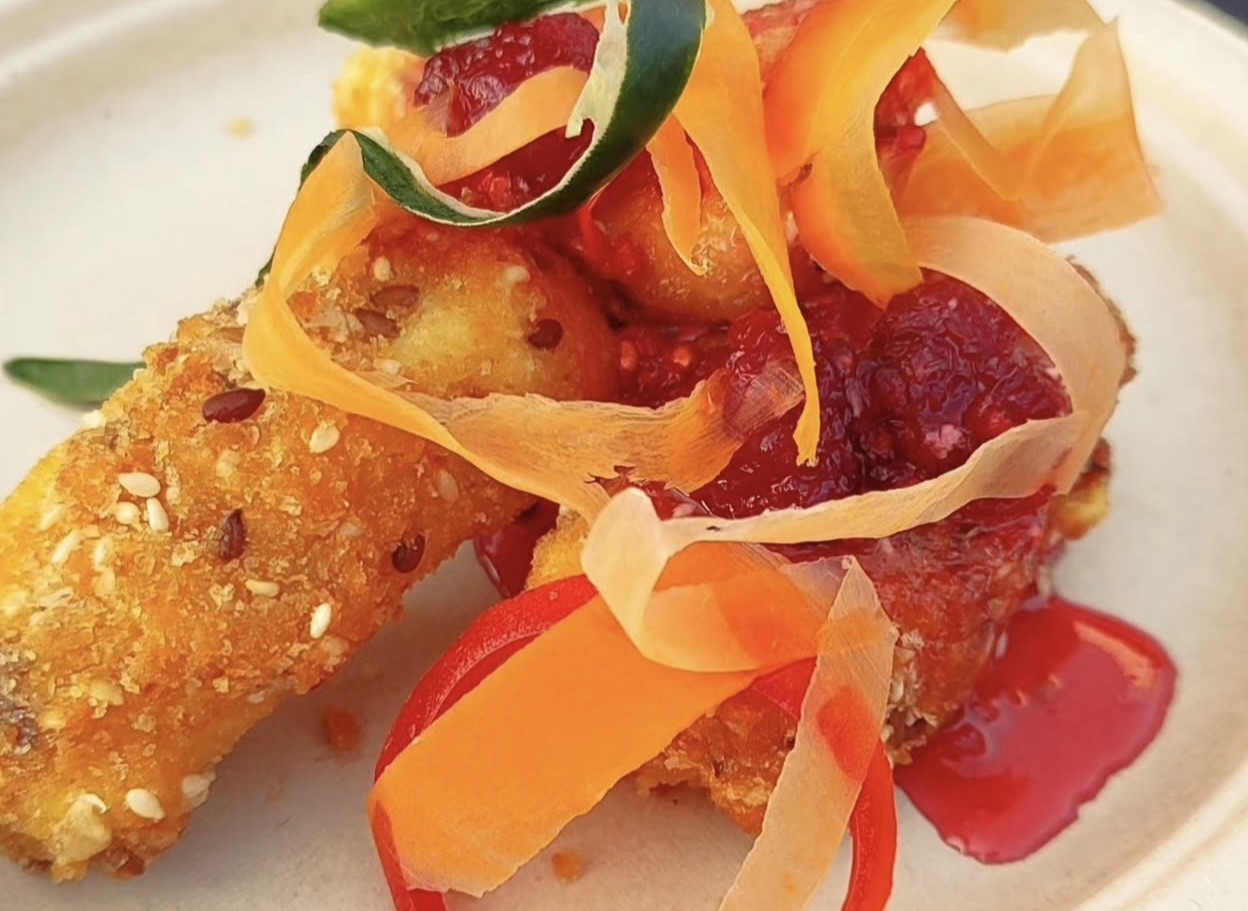
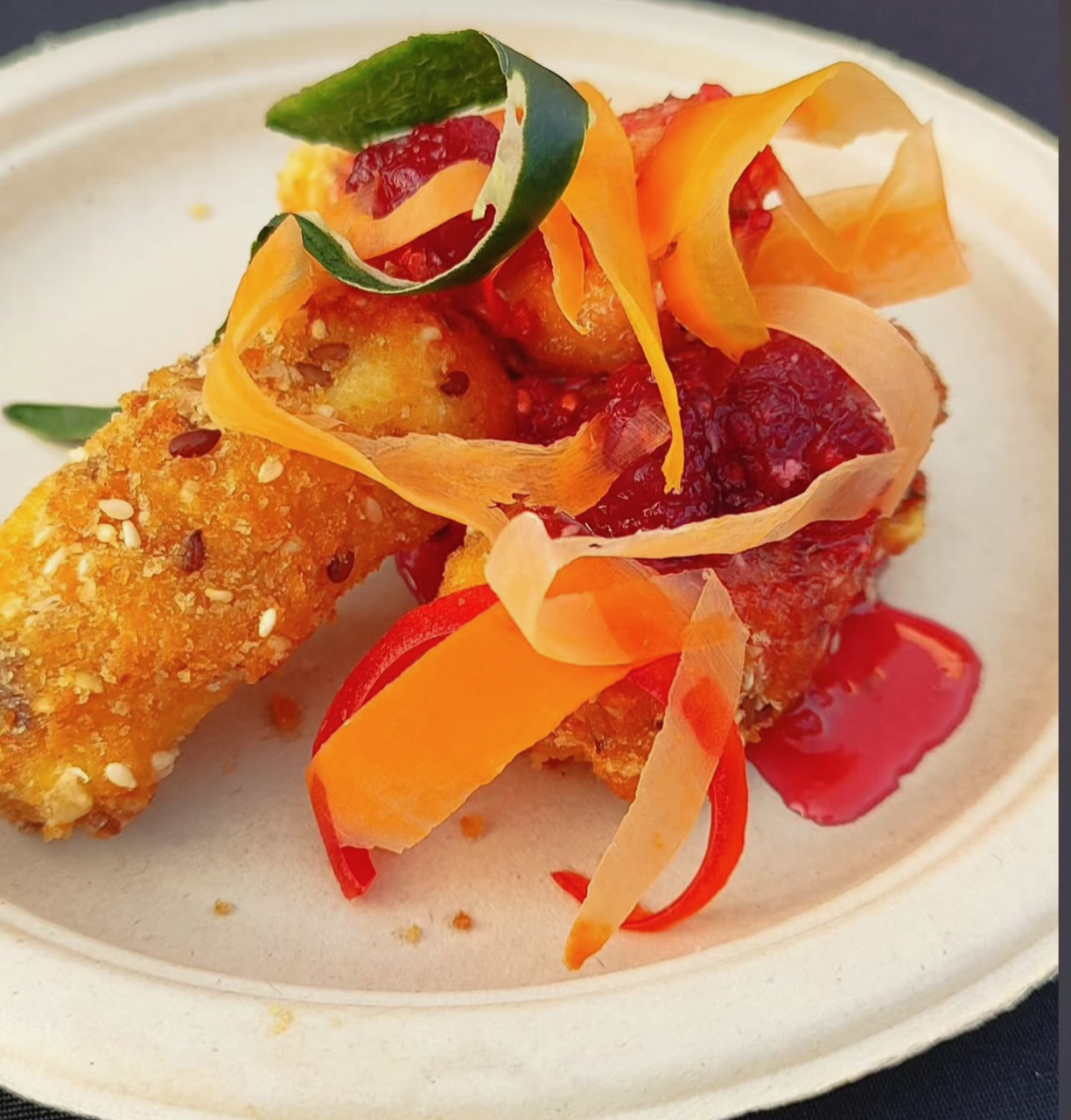
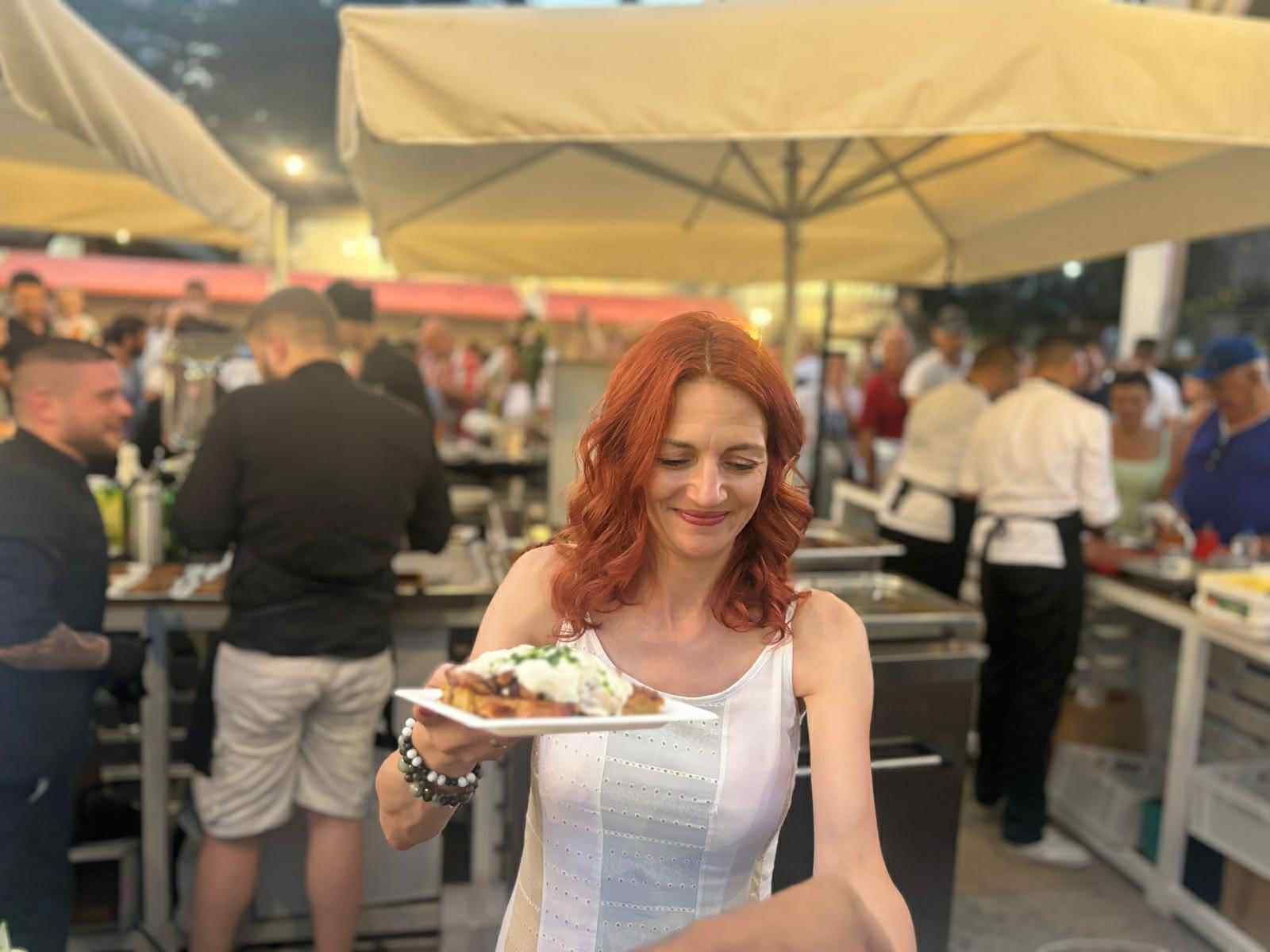
The experience concluded at a local gastronomic event, where traditional cuisine was reinterpreted in a modern way. The testing group consisted of gastronomy and travel influencers, who provided professional feedback and simultaneously promoted the concept to wider audiences.
Overall, this case study demonstrates how a pilot action can successfully combine local food heritage, storytelling and landscape into a coherent and attractive tourism product.
Key insights:
Problem addressed:
Local food heritage and agrobiodiversity were underutilised in tourism, with limited integration into experiential offers.
Approach taken:
Development and testing of a slow-food-based tourism itinerary combining gastronomy, cultural interpretation and walking experiences within the pilot action.
What worked:
Strong collaboration between stakeholders, high quality of narrative storytelling, and positive visitor experience combining food, culture and landscape.
What did not work:
Need for stronger coordination in early phases and careful management of group size to preserve quality and authenticity.
Lessons learned:
Capacity building and stakeholder engagement are essential. Practical testing in real conditions significantly improves the design and usability of tourism products.
Transferability:
The model can be replicated in regions with strong local food heritage, provided there is stakeholder cooperation, basic interpretation capacity and a focus on small-scale, experiential tourism.
This case study presents one of the key SReST pilot actions focused on developing and testing a curriculum for “slow food” tourism practices. The process began with gathering inputs from both academia and practice, combining expertise from universities, tourism stakeholders and educational institutions to create a curriculum that reflects real-world needs.
Initial consultations were carried out with stakeholders from Slovakia and Croatia, including educators, tourism professionals and representatives of the Slow Food movement. These early discussions helped shape the structure, topics and practical components of the curriculum, ensuring its relevance and applicability across different contexts.
The development continued through a series of collaborative workshops and roundtable discussions. In Prešov, tourism and hospitality stakeholders reviewed the draft curriculum and provided recommendations on practical elements such as itinerary design, stakeholder mapping and zero-waste activities. Shortly after, a focus group in Malinska brought together representatives of schools and international Slow Food experts, who contributed insights into pedagogy and age-appropriate learning approaches.
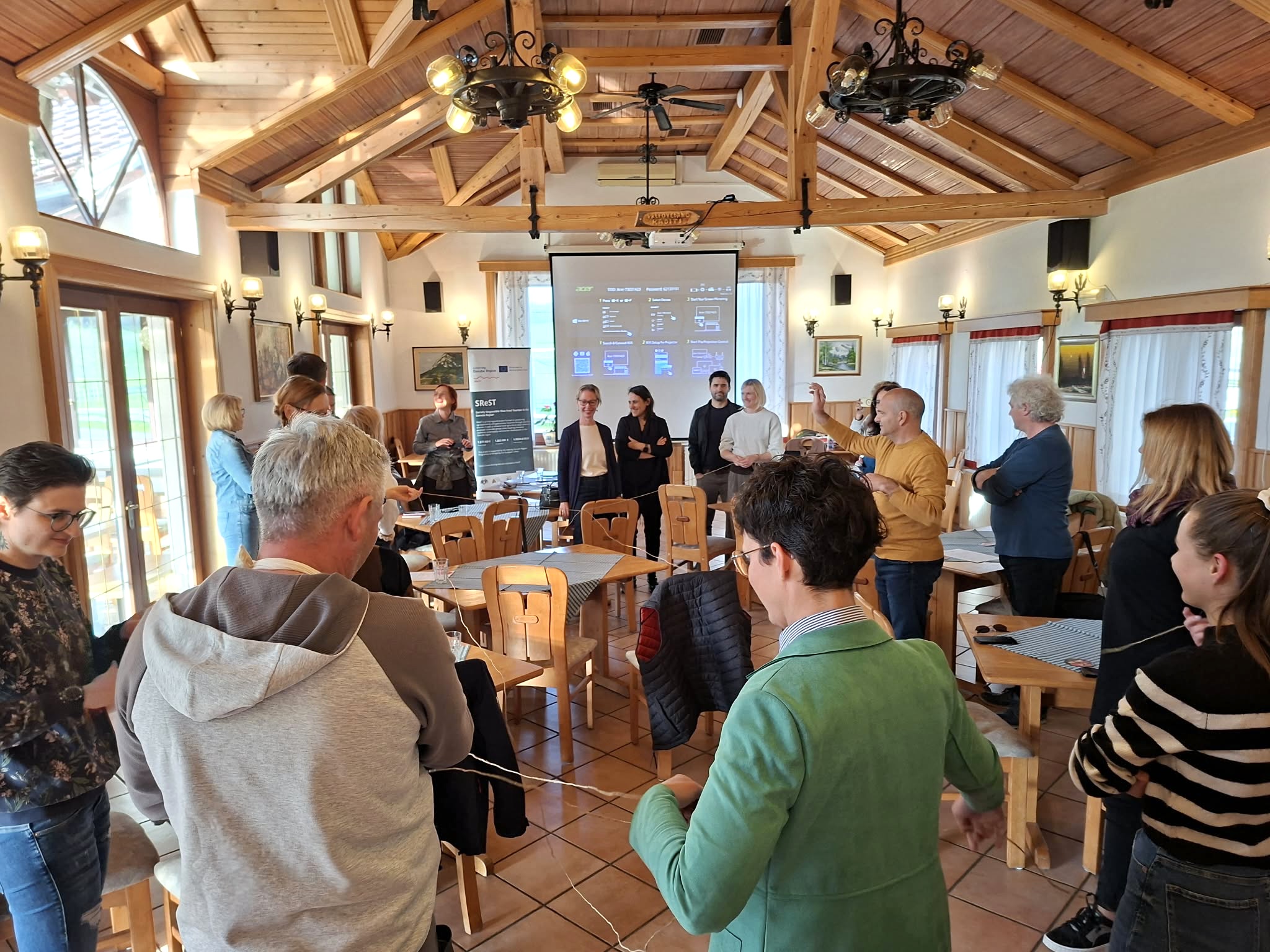
The curriculum was then tested in practice during a pilot event in Prešov, Slovakia in September 2025. Students, educators and tourism stakeholders participated in presentations, hands-on demonstrations and collaborative exercises, including designing small-scale tourism itineraries and exploring sustainable food practices. These activities allowed participants to directly experience how theoretical concepts can be applied in real situations.
An important feature of the pilot action was its blended format, combining in-person activities with online participation, which enabled cross-border exchange and involvement of partners from different regions. Feedback collected during the testing phase confirmed the curriculum’s relevance and practicality, while also helping refine its final structure and content.
Overall, this case study demonstrates how a pilot action can successfully bridge academic knowledge and practical experience, creating a transferable educational model for sustainable and socially responsible tourism.
Key insights:
Problem addressed:
Lack of practice-oriented educational tools linking slow food principles, tourism development and agrobiodiversity, as well as limited cooperation between academia and tourism stakeholders.
Approach taken:
Co-creation and testing of a practice-based curriculum combining academic content with stakeholder input, hands-on activities and experiential learning methods within the pilot action.
What worked:
Strong collaboration between universities, stakeholders and schools, integration of practical exercises, and high relevance of the curriculum for both students and tourism practitioners.
What did not work:
Need for continuous alignment between academic structure and practical expectations, as well as further clarification of some topics and learning activities during early stages.
Lessons learned:
Involving stakeholders throughout the development process is essential. Combining theory with practical exercises significantly improves learning outcomes and usability of educational tools.
Transferability:
The curriculum can be adapted and implemented in other regions and institutions, especially where cooperation between education providers and tourism stakeholders is ensured, and where flexible, modular learning formats are supported.
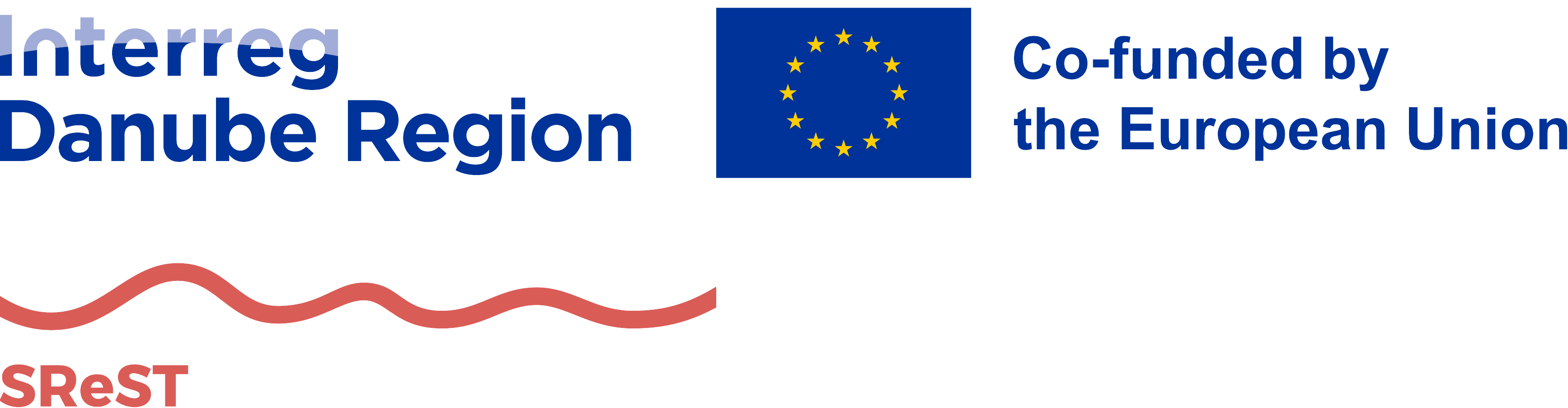
This case study presents one of the key SReST pilot actions focused on engaging young people with disabilities in slow food tourism through practical culinary training in Sarajevo Canton. The initiative connected social inclusion with local food heritage and tourism development, creating new opportunities for participants to enter the labour market.
The process started with careful preparation and selection of participants. Twelve young people with disabilities were identified through cooperation with local organisations and were invited to join a tailored training programme. Individual consultations helped organisers understand their needs and adapt the learning environment, ensuring accessibility and inclusion from the outset.
The core of the pilot action was a structured training programme combining theory and practice. Participants attended a series of training sessions covering topics such as food preparation, hygiene, traditional Bosnian cuisine, use of local ingredients and basic hospitality skills. The programme was designed not only to build technical knowledge, but also to strengthen confidence, teamwork and communication abilities.
The learning experience was further enriched through practical workshops and mentoring sessions led by professional chefs and hospitality experts. Participants had the opportunity to apply their skills in real-life settings, working with local products and experiencing professional kitchen environments. This step proved essential for building practical competencies and connecting training with real labour market conditions.
In parallel, the pilot included public events such as an Info Day, Career Day and a networking and cooking competition. These events allowed participants to present their skills, interact with potential employers and engage with the wider community, while also raising awareness about inclusive employment in the tourism sector.
Overall, this case study demonstrates how a pilot action can successfully combine inclusive education, practical training and stakeholder engagement, creating a pathway for young people with disabilities to participate in slow food tourism and local economic development.
Key insights:
Problem addressed:
Limited access of young people with disabilities to adapted vocational training and employment opportunities in tourism and hospitality, combined with underutilised potential of local food heritage.
Approach taken:
Development and testing of an inclusive culinary training programme combining slow food principles, practical workshops, mentoring and engagement with local stakeholders within the pilot action.
What worked:
Strong mentoring support, practical hands-on training, and direct interaction with employers significantly improved participants’ skills, confidence and visibility.
What did not work:
The need for continuous adaptation of training methods, time and support to individual needs required additional coordination and resources.
Lessons learned:
Inclusive training programmes are most effective when combined with real-life practice, individual support and strong links to employers and local stakeholders.
Transferability:
The model can be replicated in other regions by combining vocational training, inclusive methodologies and cooperation with local tourism and hospitality sectors, while ensuring adaptation to the needs of participants.
This case study presents one of the key SReST pilot actions focused on engaging immigrant communities in slow food tourism in the Primorsko-Notranjska region in Slovenia. The pilot explored how culinary heritage and intercultural exchange can support social inclusion while enriching local tourism experiences.
The process began with a series of expert meetings that brought together tourism professionals, educators, representatives of immigrant communities and local stakeholders. These meetings helped shape the concept of the pilot action by identifying opportunities to connect gastronomy, sustainable tourism and community integration in a practical and inclusive way.
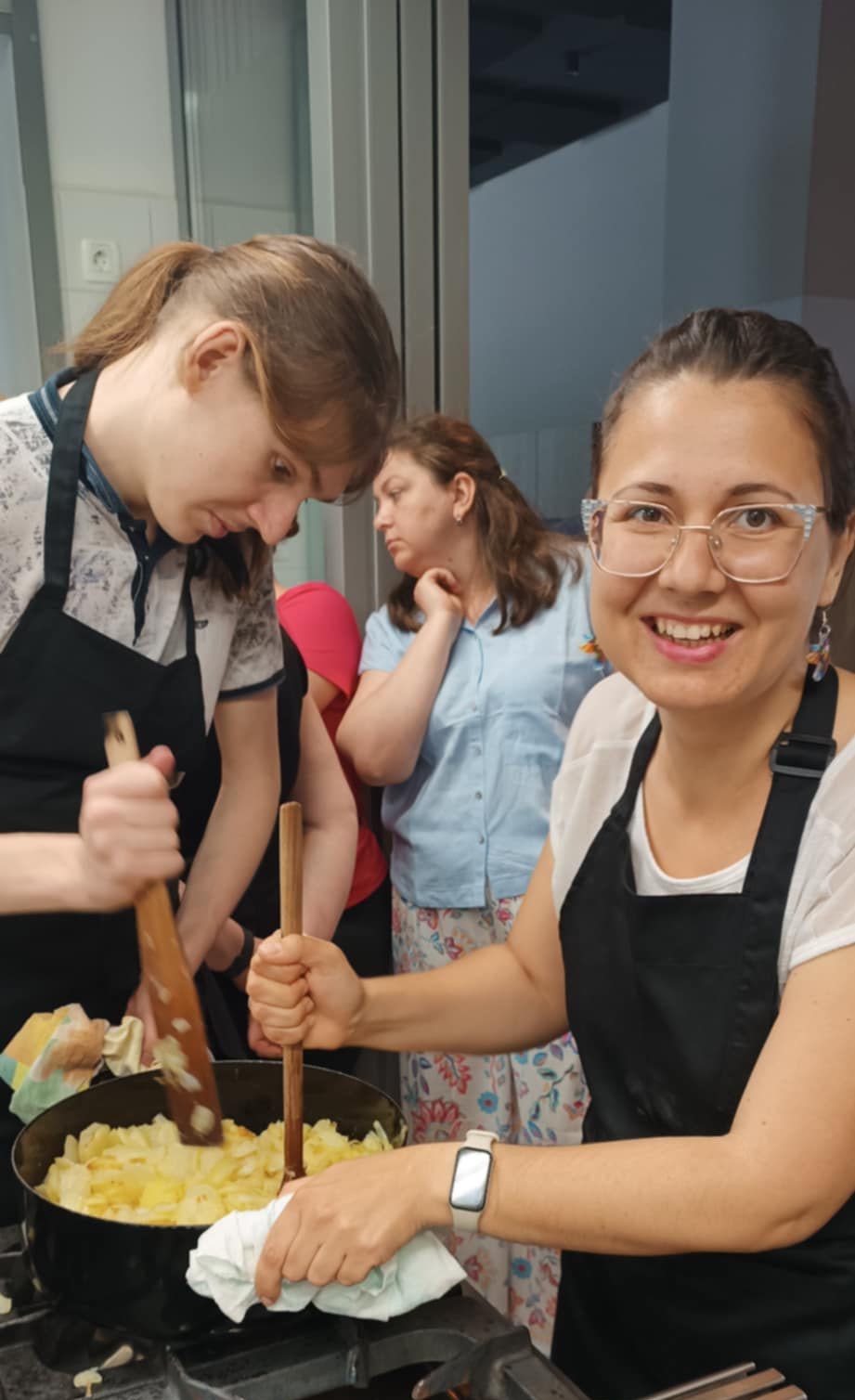
The core activities were built around hands-on learning and interaction. Participants took part in culinary workshops where they learned about local Slovenian ingredients, traditional dishes and principles of slow food and sustainable gastronomy. At the same time, these sessions created space for participants to develop new skills and better understand the local tourism context.
An important part of the pilot action was a series of intercultural cooking workshops. During these sessions, participants were encouraged to share recipes and culinary traditions from their own cultural backgrounds while preparing dishes together with local stakeholders. This created a space for mutual learning, cultural exchange and building trust between communities.
The pilot also included a dedicated workshop with tourism operators and public stakeholders, where immigrants had the opportunity to connect with local businesses, discuss employment opportunities and share their experiences and challenges. These interactions helped raise awareness about the potential of immigrant communities to contribute to local tourism development.
Overall, this case study demonstrates how a pilot action can use food as a common language to connect people, strengthen skills and create new opportunities for social and economic integration within sustainable tourism.
Key insights:
Problem addressed:
Limited integration of immigrant communities into local labour markets and tourism activities, combined with underutilised potential of cultural diversity in gastronomy.
Approach taken:
Implementation of capacity-building activities combining culinary training, intercultural workshops and networking with tourism stakeholders within the pilot action.
What worked:
Intercultural cooking sessions and direct interaction with stakeholders successfully built trust, encouraged participation and created meaningful exchange between communities.
What did not work:
Ensuring long-term engagement and translating short-term activities into stable employment opportunities requires continued support beyond the pilot phase.
Lessons learned:
Food-based activities are an effective tool for social inclusion, especially when combined with networking opportunities and stakeholder involvement.
Transferability:
The model can be replicated in regions with diverse communities by combining practical training, intercultural exchange and collaboration with local tourism stakeholders.
This case study presents one of the key SReST pilot actions focused on addressing unemployment among vulnerable groups in rural areas through slow food tourism. The pilot was implemented in Hajdú‑Bihar County in Hungary, where strong agricultural traditions and local food heritage create opportunities for sustainable, experience-based tourism development.
The process started with expert coordination and stakeholder engagement. Local authorities, farmers, tourism organisations and professional institutions worked together to design an approach that connects local resources with employment opportunities. These discussions helped shape a framework that links training, community involvement and local economic development.
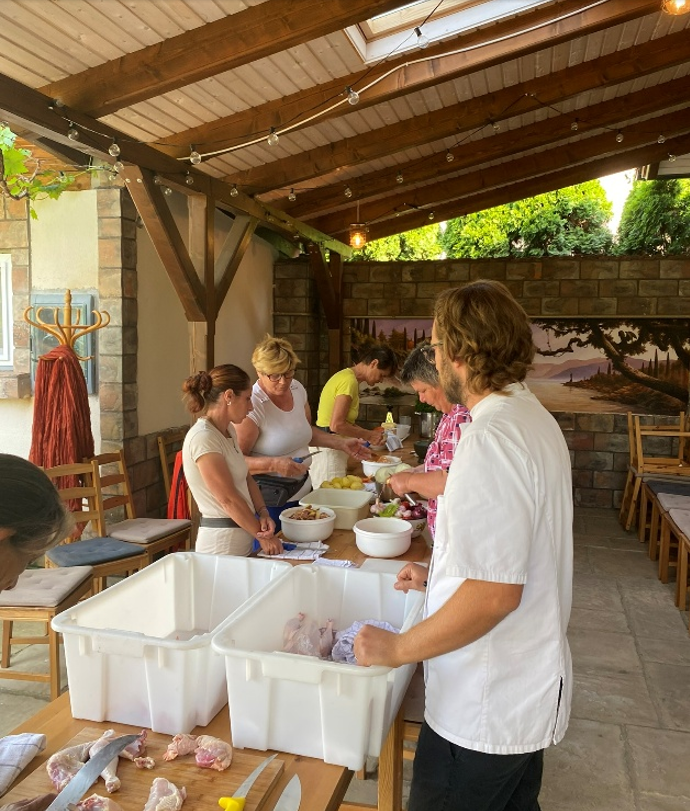
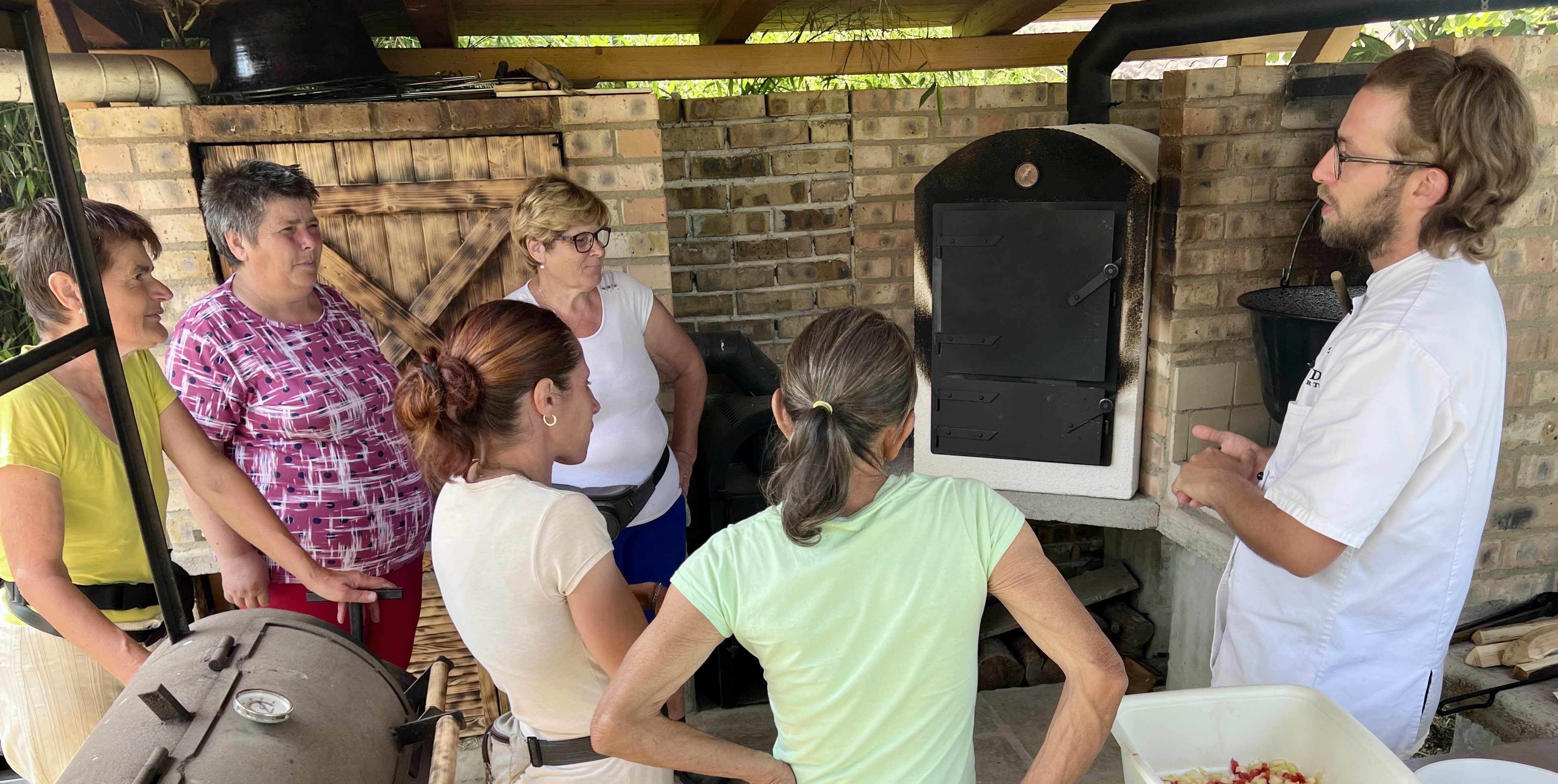
The core of the pilot action consisted of a series of training days organised in different local settings. These sessions combined theoretical presentations with hands-on activities, introducing participants to slow food principles, local traditions and practical skills such as food preparation, preservation and small-scale service development.
Participants were actively involved in preparing traditional dishes and learning about local production methods, allowing them to directly experience how local knowledge and skills can be transformed into tourism-related opportunities. The focus was not only on learning new techniques, but also on understanding how local assets can be used to create value within their own communities.
In parallel, the pilot supported the development of wider initiatives, including cooperation with agricultural stakeholders and preparation of events such as local “open farm” activities and community-based tourism days. These activities aimed to connect training outcomes with real-life opportunities and increase visibility of local products and services.
Overall, this case study demonstrates how a pilot action can create a bridge between training, local resources and employment pathways, supporting vulnerable groups in becoming active participants in rural tourism and community development.
Key insights:
Problem addressed:
High levels of unemployment among vulnerable groups in rural areas and limited connection between local food heritage and practical employment opportunities.
Approach taken:
Implementation of training days combining theoretical knowledge, practical activities and stakeholder cooperation to link slow food tourism with local labour market opportunities within the pilot action.
What worked:
Hands-on learning and strong involvement of local stakeholders helped participants understand practical applications and increased awareness of local economic potential.
What did not work:
Translating training into long-term employment requires sustained support, motivation and clear follow-up opportunities beyond initial activities.
Lessons learned:
Training is most effective when directly linked to local context, real practices and community-based opportunities for application.
Transferability:
The model can be replicated in rural areas with strong local resources by combining practical training, stakeholder engagement and gradual development of tourism-related activities.
This case study presents one of the key SReST pilot actions focused on engaging rural youth and elderly populations in slow food tourism in depopulated areas of Western Serbia and Northern Montenegro. The pilot explored how local knowledge, traditions and agrobiodiversity can be transformed into sustainable tourism opportunities while addressing rural depopulation challenges.
The process began with close collaboration between partners across the two regions, combining expertise in tourism development, community engagement and slow food principles. Through continuous coordination and exchange, partners developed a model tailored to local conditions, ensuring that activities reflect the needs and capacities of both younger and older participants.
The core of the pilot action consisted of a series of capacity-building workshops designed to strengthen practical skills. Participants learned about slow food principles, product development, storytelling, food presentation and communication with visitors. These workshops combined theoretical knowledge with hands-on exercises, enabling participants to directly apply what they learned in their local context.
In addition to training, the pilot provided practical support through small-scale equipment, allowing participants to improve their food production and presentation capacities. This step was important for translating knowledge into real activities and strengthening readiness for tourism-related services.
The pilot also included participation in local гастрономické events and fairs, where participants could present their products, engage with visitors and build connections with tourism stakeholders. Study visits and field activities further supported learning by exposing participants to good practices and real tourism environments.
Overall, this case study demonstrates how a pilot action can combine capacity building, practical support and promotion to create inclusive and sustainable tourism opportunities, enabling both youth and elderly to actively contribute to local economic development in rural areas.
Key insights:
Problem addressed:
Depopulation of rural areas, limited economic opportunities for youth and elderly, and underutilisation of local food heritage in tourism development.
Approach taken:
Implementation of an integrated model combining training, practical support and promotional activities to engage youth and elderly in slow food tourism within the pilot action.
What worked:
Combination of hands-on training, equipment support and participation in real events effectively increased skills, confidence and visibility of participants.
What did not work:
Sustaining long-term engagement and ensuring continuous income opportunities requires ongoing support and further development of market access.
Lessons learned:
Integrated approaches that combine learning, practice and real market exposure are key to activating local potential in rural areas.
Transferability:
The model can be replicated in other depopulated regions by linking capacity building, small-scale investments and promotion of local gastronomy and tourism.
News & Events
Read the most recent updates and explore the upcoming events.
Would you like to receive project updates?
You're already part of our community!
Welcome to our newsletter community!
Subscribe to our newsletter