
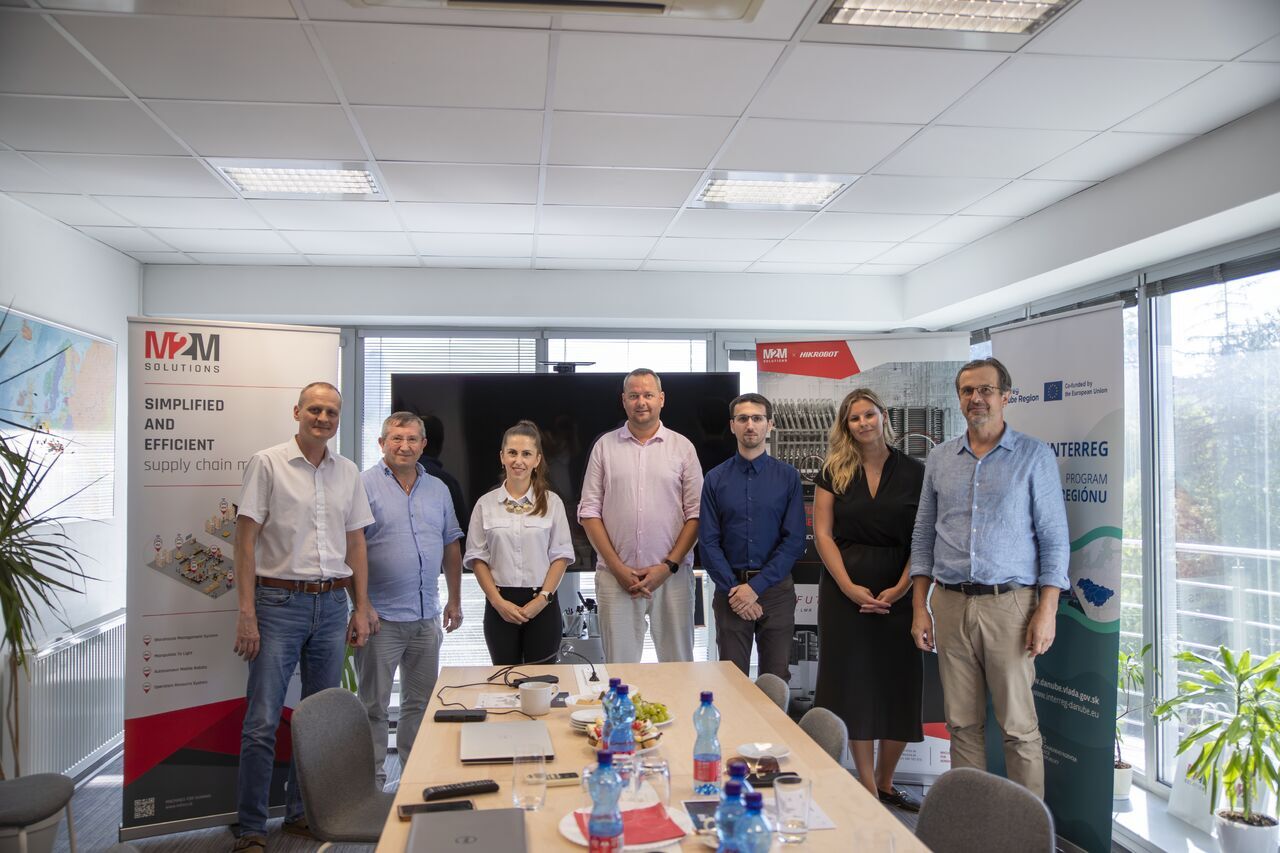

From Logistics to Urban Mobility: M2M Solutions Tests Smart Traffic Monitoring in Žilina
Can traffic-management technologies originally developed for commercial logistics help cities better understand and manage urban mobility?
This question stood at the centre of the agile pilot implemented by M2M Solutions, s.r.o. in the Solinky district of Žilina, Slovakia. The pilot explored how proven digital technologies from the private sector can be adapted to support municipal decision-making in areas such as parking, traffic regulation and urban mobility planning.
Understanding traffic through real data
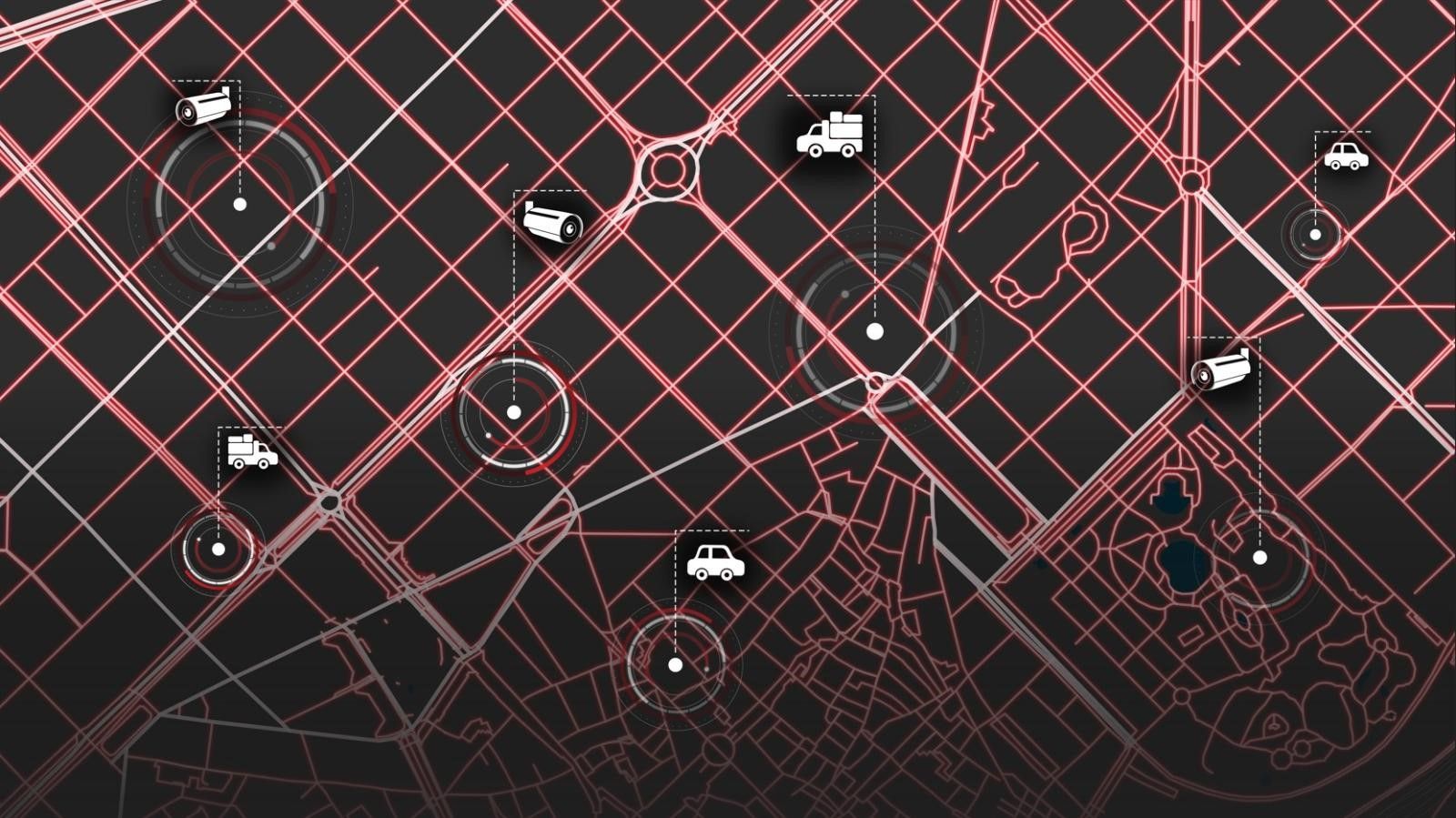
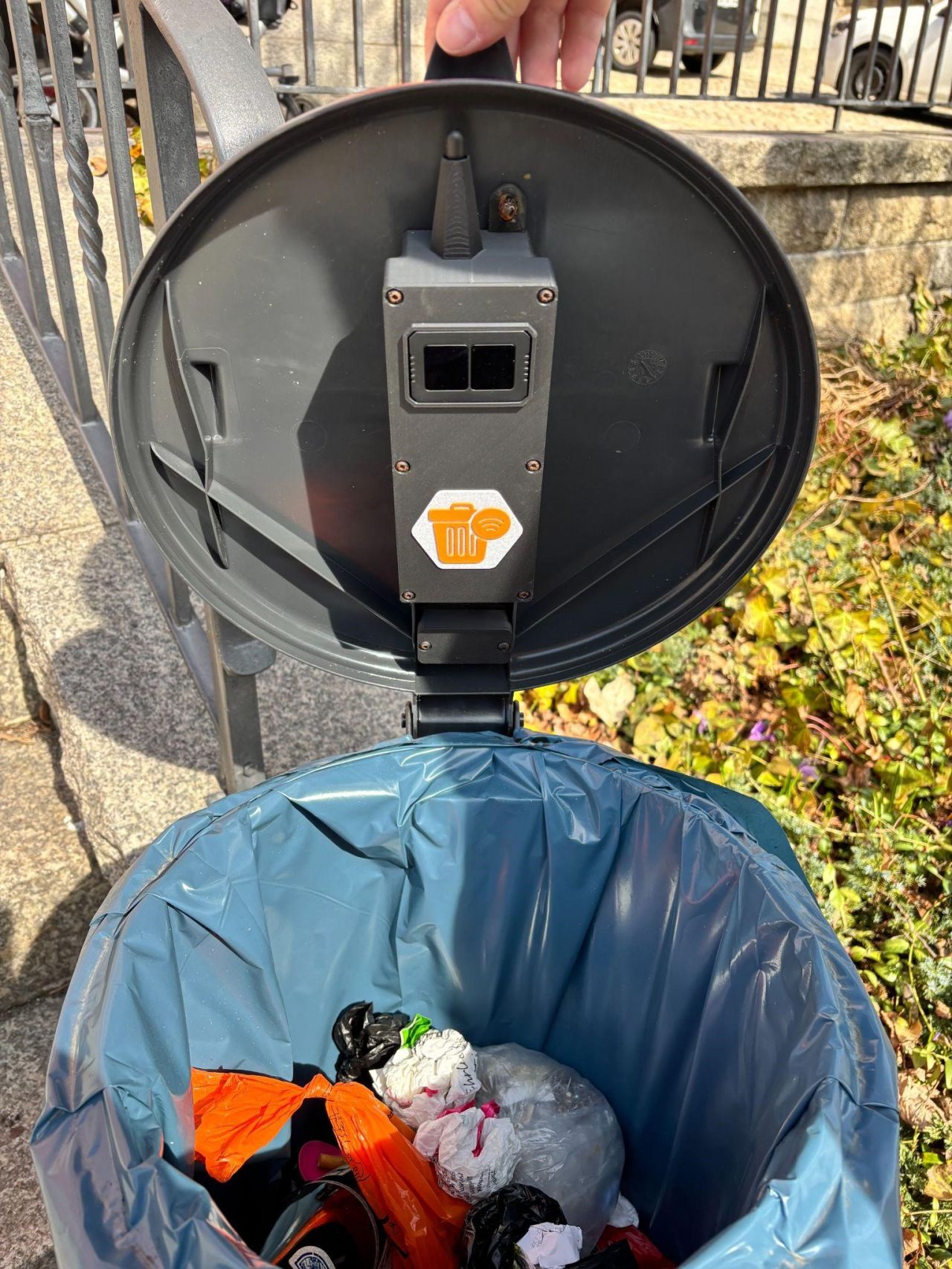
As part of the pilot, M2M Solutions deployed a zone monitoring system based on ANPR cameras — cameras capable of automatically recognising vehicle licence plates. The system monitored vehicle movements in and out of the selected urban zone and provided the city with precise data on:
vehicle entries,
vehicle exits,
parking and dwell times,
traffic intensity,
movement patterns of residents and visitors.
During the pilot, the system captured more than 8,000 vehicle movements, generating valuable insights into how the area is used in practice. This helped the municipality better understand local parking behaviour, traffic volumes and the potential impact of existing or future traffic-management measures.
For the city, the pilot demonstrated that data-driven monitoring can provide a more accurate basis for decisions than assumptions or one-off observations. Such insights can support the design of parking policies, regulation measures and future mobility planning.
Agile piloting reveals what standard testing often misses
Beyond the direct traffic data, the pilot also delivered an important practical benefit: it revealed technological bottlenecks that could become critical in a full-scale deployment.
One of the key findings concerned the use of solar-powered cameras. While attractive from an installation perspective, their reliability proved limited during winter conditions, suggesting that standard electricity supply may be preferable for long-term use.
Another important lesson related to connectivity. The pilot showed that SIM-card-based data transfer may not be sufficient for high-volume video-monitoring scenarios. Stable cable connections appear to be a more reliable option when large amounts of data need to be transmitted continuously.
The pilot also helped identify and resolve a software issue in the camera system. This finding created value not only for the municipality and the solution provider, but also for other stakeholders in the wider supply chain.
From B2B to B2G: opening a new market
For M2M Solutions, the pilot represented another important step: the company’s first transition from a business-to-business model towards a business-to-government environment.
This shift is often challenging for innovative companies. Municipalities and startups or technology providers operate under different conditions, timelines and procurement rules. Under standard market conditions, these differences can slow down or even prevent cooperation.
The PilotInnCities agile piloting approach helped reduce this risk. By creating a controlled testing environment and using a venture-capital-inspired mechanism, the project enabled both sides to experiment, learn and validate the solution before considering larger-scale implementation.
The experience confirms one of the broader assumptions behind PilotInnCities: innovation between cities and companies does not always happen automatically. It often requires targeted support, practical testing opportunities and mechanisms that reduce risk for both public authorities and solution providers.
A practical step towards smarter mobility management
The Žilina pilot demonstrated that technologies originally developed for commercial logistics can be successfully adapted to municipal needs. More importantly, it showed how agile piloting can help cities move from abstract interest in smart mobility towards concrete, evidence-based action.
By combining real traffic data, technological validation and business-model learning, the pilot provided valuable input for future mobility planning in Žilina and offered transferable lessons for other municipalities across the Danube Region.
The Slovak project partners — the Ministry of Investments, Regional Development and Informatization of the Slovak Republic and ZMOS — can provide further insights into the pilot and its results.

18/06/2026
By Viktor Holy
Share on social media:


Smart

News & Events
Read the most recent updates and explore the upcoming events.



Would you like to receive project updates?
You're already part of our community!
Welcome to our newsletter community!
Subscribe to our newsletter