
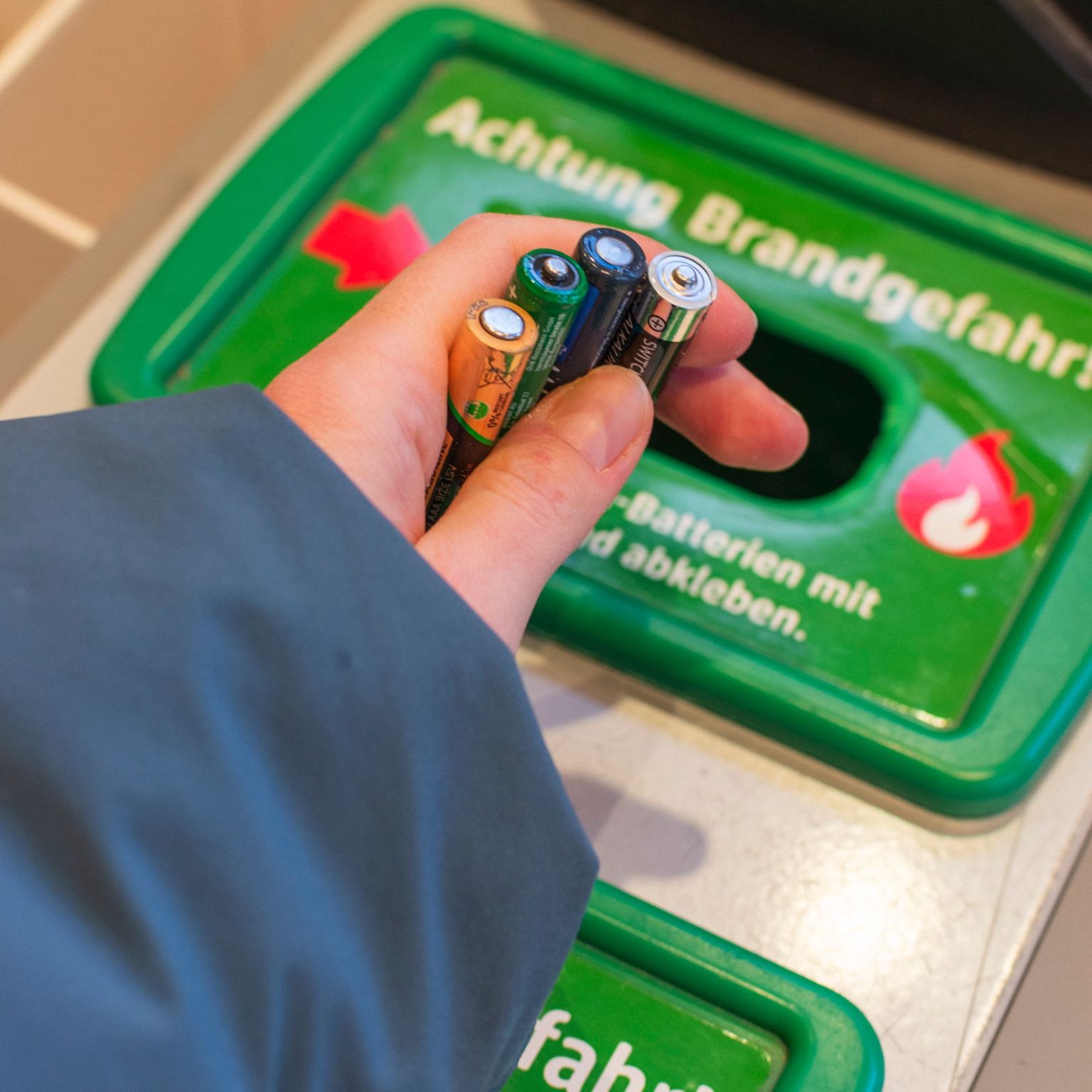

Smarter Battery Collection Without Smart Bins
Can battery collection become more efficient without installing a single new smart bin?
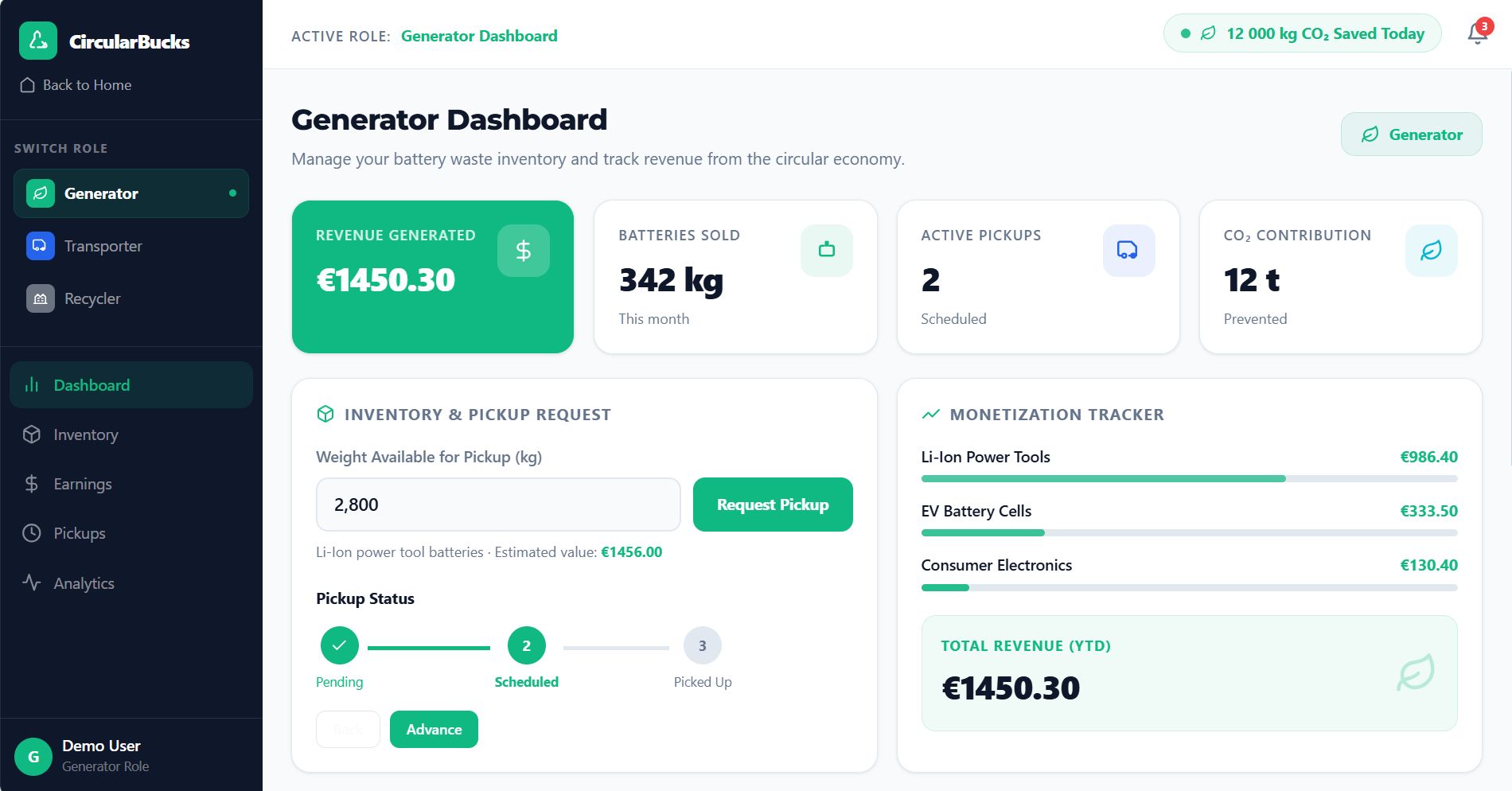
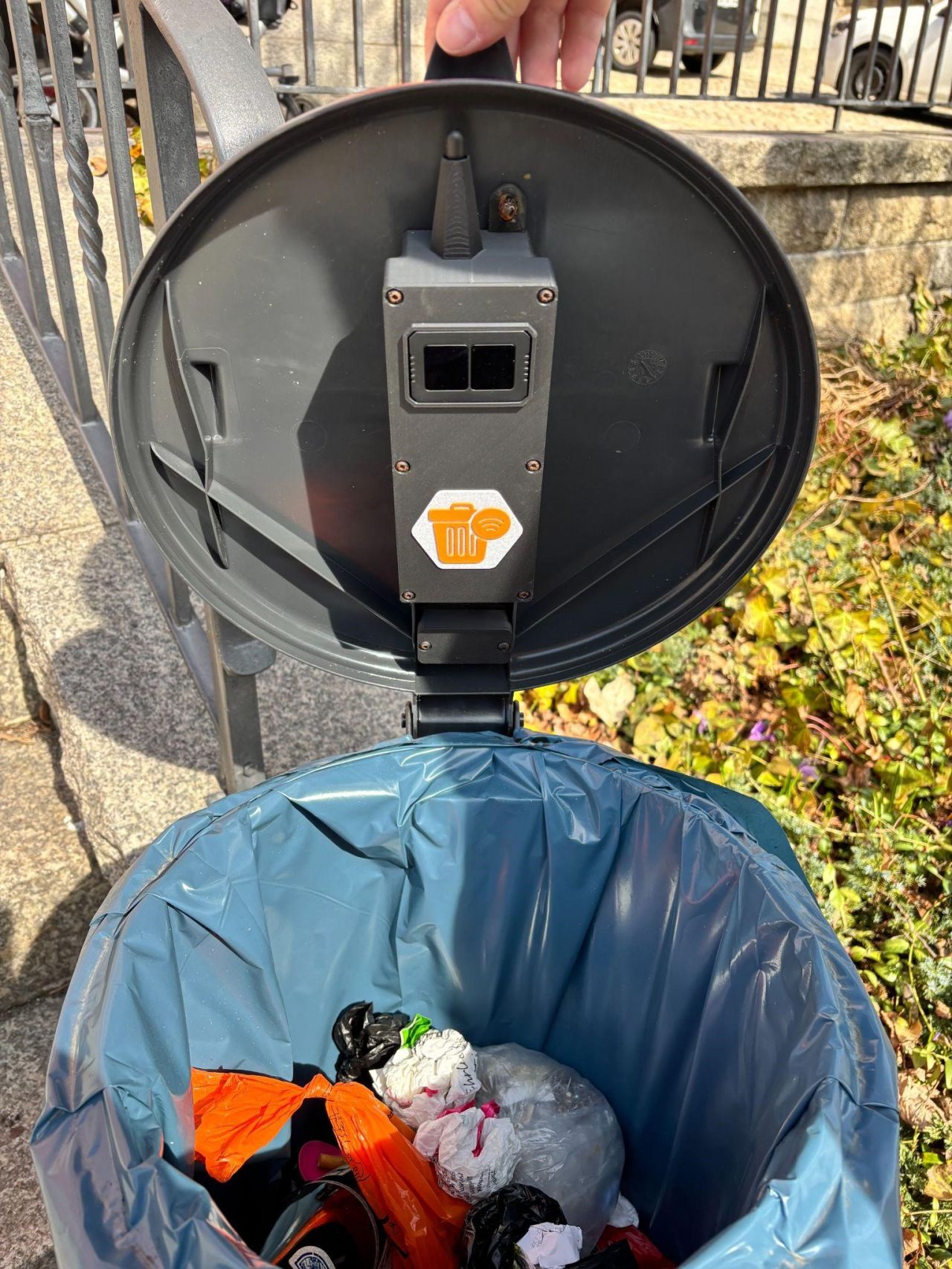
The agile pilot implemented by Circular Bucks in Reșița, Romania, set out to test exactly that. Instead of investing in new physical infrastructure, the team developed an AI-powered digital platform connecting small waste battery generators with authorised transporters and recyclers.
The target users included organisations such as:
small and medium-sized enterprises
workshops
retailers
other local businesses producing relatively small volumes of waste batteries
The objective was to create a more coordinated, transparent and efficient collection system across the regional battery-recycling ecosystem.
Connecting the Entire Collection Chain
The platform was designed to coordinate three key actors:
waste battery generators
authorised transporters
recycling companies
Using artificial intelligence and automated processing, the system matched suitable partners, optimised collection routes and created traceable digital records for each transaction.
The records were also designed to be compatible with the future requirements of the EU Battery Passport, supporting greater transparency across the battery lifecycle.
Measurable Results
During the pilot:
48 organisations joined the platform
124 traceable generator–transporter–recycler connections were created
route optimisation reduced fuel consumption by 14%
The reduction in fuel consumption was particularly notable given the mountainous terrain of Caraș-Severin County, where transport routes are often more complex and costly than in flatter regions.
The results confirmed that digital coordination can improve collection efficiency even without major investments in new hardware.
The Most Important Discovery Was Not Technological
From a technical perspective, the platform worked.
However, the pilot’s most valuable finding was that the main barrier to scaling the solution was not the technology itself. The real challenge was the structure and maturity of the surrounding ecosystem.
Recyclers were hesitant to enter into long-term partnerships because they lacked reliable information about future waste volumes. Without sufficient predictability, cooperation remained largely ad hoc.
This made it difficult for recycling companies to plan capacity, transport, staffing and long-term investment.
As a result, Circular Bucks began reconsidering its business model before committing resources to expensive physical infrastructure. The next development phase will therefore focus less on hardware and more on creating stronger commitment, predictability and coordination between participating organisations.
From Matching Partners to Building Predictability
The pilot showed that a functioning marketplace alone is not enough.
For the ecosystem to become stable, participating organisations need confidence that sufficient volumes of waste batteries will be available over time. This may require:
longer-term agreements with waste generators
aggregated forecasts of future battery volumes
clearer commitments from transporters and recyclers
stronger data sharing between partners
mechanisms that reduce uncertainty for all participants
By identifying this missing layer, the pilot helped the company redirect its development strategy towards the factors most likely to support long-term commercial and environmental impact.
The Role of Municipalities
Another important lesson concerned the municipality’s involvement.
The pilot struggled to engage the local authority as an active partner in coordinating the broader ecosystem. Although this was one specific pilot, it reflects a challenge observed in several parts of the Danube Region.
Municipalities are usually experienced in managing everyday public services. However, they may be less accustomed to acting as facilitators of innovation ecosystems that connect companies, public institutions, researchers, waste operators and citizens.
Yet regional innovation rarely develops through isolated actors.
Just as a sports team needs coordination, innovation ecosystems need organisations that connect participants, align incentives and help turn individual activities into a shared system.
Municipalities can play an important role in this process by:
convening local stakeholders
supporting access to waste generators
encouraging long-term cooperation
sharing relevant public data
helping innovative solutions gain credibility
aligning pilots with regional environmental strategies
Why the Pilot Was Successful
The pilot did not fully resolve every challenge within the regional battery-recycling system.
That is precisely why it was valuable.
Agile piloting is not only about proving that a technology works. It is also about identifying hidden barriers, testing assumptions and understanding where innovation can create the greatest systemic value.
The Circular Bucks pilot successfully demonstrated that:
digital tools can improve collection logistics
route optimisation can reduce fuel consumption
waste flows can be made more traceable
technology alone cannot compensate for weak ecosystem coordination
early testing can prevent costly investment in the wrong solution
business models must reflect the behaviour and incentives of all participating actors
By revealing the real bottlenecks before large-scale investment, the pilot provided Circular Bucks with the evidence needed to refine its strategy.
The experience from Reșița shows that sometimes the most successful pilot is not the one that confirms every original assumption. It is the one that helps innovators discover what the market and ecosystem actually need.

13/07/2026
By Viktor Holy
Share on social media:


Smart

News & Events
Read the most recent updates and explore the upcoming events.



Would you like to receive project updates?
You're already part of our community!
Welcome to our newsletter community!
Subscribe to our newsletter