

Smart Waste Collection Starts with Better Data
Can a simple sensor help municipalities save time, reduce costs, and keep public spaces cleaner?
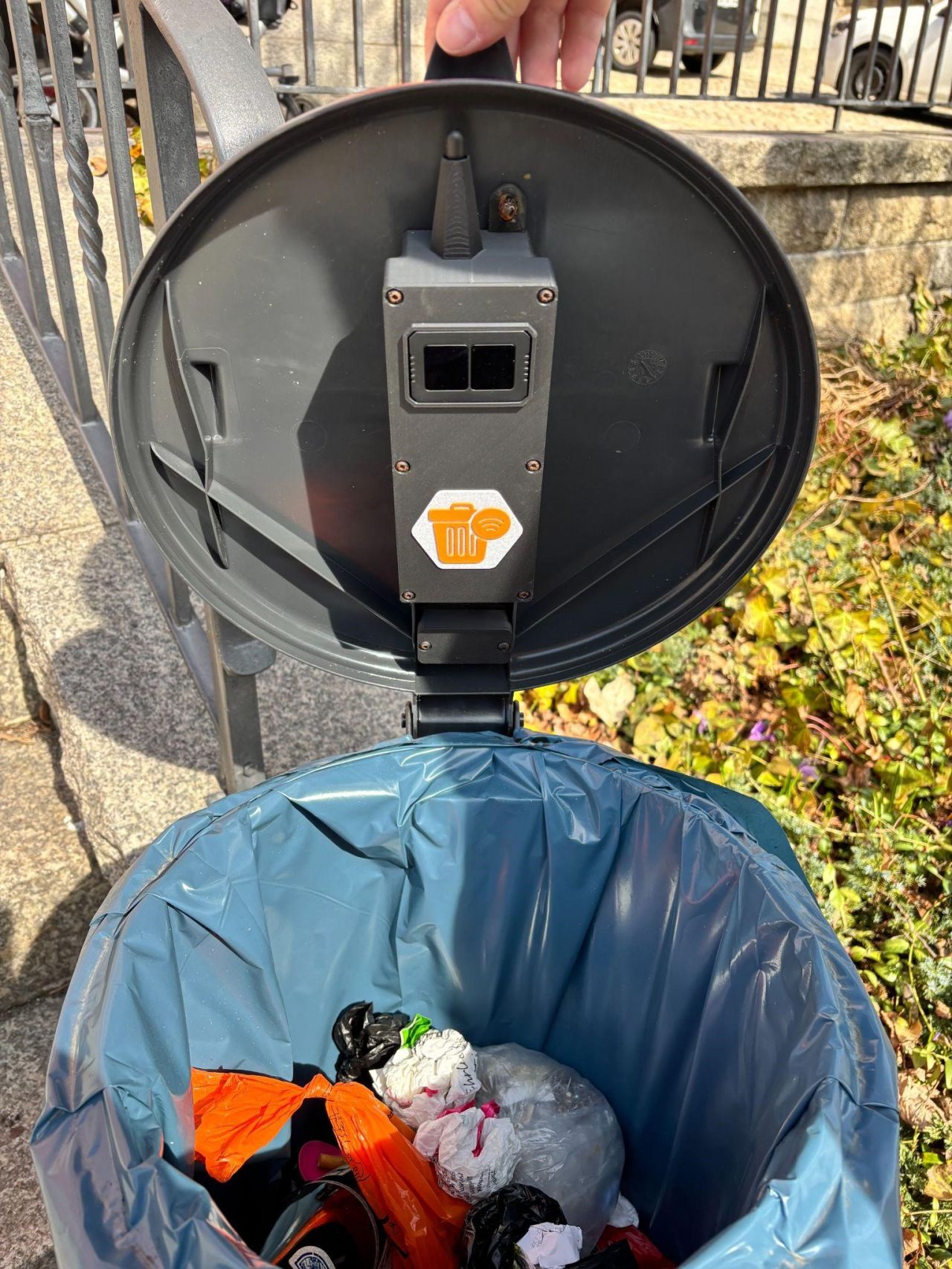
This question was explored through the agile pilot of Incoretex GmbH in the Bavarian municipality of Kirchenlamitz, Germany, where a smart waste monitoring solution was tested in real-world conditions.
Located in the scenic Fichtel Mountains region, Kirchenlamitz is home to around 3,000 residents and serves numerous hiking trails, recreational areas, and remote public spaces. Managing waste collection across such dispersed locations can be challenging. Municipal workers must either follow fixed collection schedules—often emptying bins that are only partially filled—or risk overflowing bins that negatively impact the environment and visitor experience.
To address this challenge, the pilot introduced a simple but effective approach.
Turning Waste Bins into Data Sources
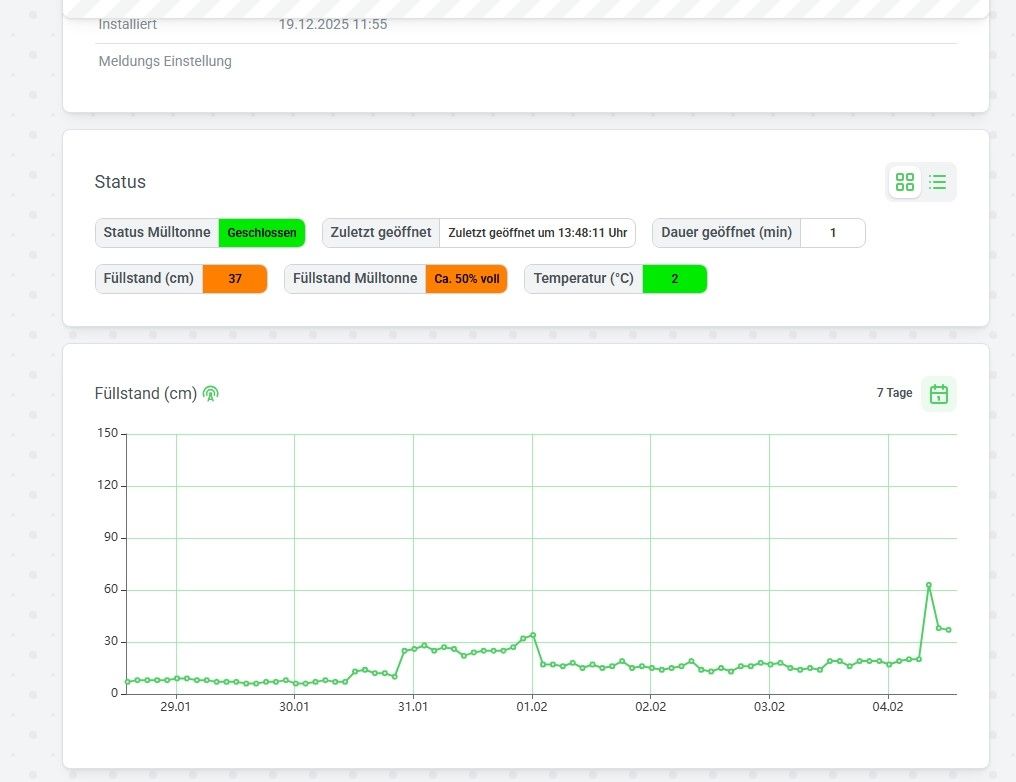
The solution uses IoT sensors installed inside waste bins to continuously measure fill levels. The collected data is transmitted to a digital dashboard, providing municipal staff with real-time visibility into the status of individual bins.
Rather than relying on routine inspections or predetermined collection routes, waste collection can be planned based on actual demand.
This enables municipalities to:
Monitor fill levels remotely
Detect bins approaching capacity
Optimize collection routes
Reduce unnecessary vehicle trips
Lower operational costs and CO₂ emissions
Prevent overflowing bins in high-traffic locations
Innovation Is About Context
While sensor-based waste monitoring is not a new technology, the pilot demonstrated an important lesson often highlighted through agile piloting: innovation should be evaluated in the context of the problem it solves.
In a small municipality with limited staff capacity, every working hour matters. Sending employees to inspect bins scattered across remote recreational areas consumes valuable resources that could be used elsewhere. Similarly, unnecessary collection trips generate avoidable costs and environmental impacts.
By providing accurate information at the right time, the solution helps municipal teams make better operational decisions and allocate resources more efficiently.
Lessons for Municipalities
The pilot in Kirchenlamitz generated several broader insights relevant to municipalities across the Danube Region and beyond:
Smart city solutions are not exclusively designed for large urban centres.
The value of innovation lies in solving practical challenges, not in technological complexity.
Data-driven service management can improve efficiency even in small municipalities.
Successful scaling should consider local context, geography, and service needs rather than administrative size alone.
Agile Piloting in Practice
The pilot illustrates how agile piloting enables municipalities to test emerging solutions on a small scale, gather evidence, and evaluate real-world benefits before making larger investments.
For Kirchenlamitz, the result was not merely a smarter waste bin, but a more informed and efficient approach to managing public services—demonstrating how even modest digital innovations can create meaningful value when applied to the right local challenge.
Pilot partners: Incoretex GmbH, Zentrum für Digitale Entwicklung GmbH, EurA AG, and Landkreis Wunsiedel im Fichtelgebirge.

23/06/2026
By Viktor Holy
Share on social media:


Smart

News & Events
Read the most recent updates and explore the upcoming events.



Would you like to receive project updates?
You're already part of our community!
Welcome to our newsletter community!
Subscribe to our newsletter