

Innovation That Leaves the Conference Room: A Practical Playbook for Agile Piloting
Two new open-access publications turn 30 months of cross-border experimentation into a usable method for any city, region, or country ready to move from innovation strategy to innovation in practice.
Most innovation strategies die a quiet death. They are written with conviction, presented in well-lit rooms, applauded, filed away — and then real life takes over. Budgets are tight, procurement rules are unforgiving, and the people who would actually run a pilot are already busy keeping the lights on. The gap between wanting to innovate and doing it is where most public-sector ambition quietly disappears.
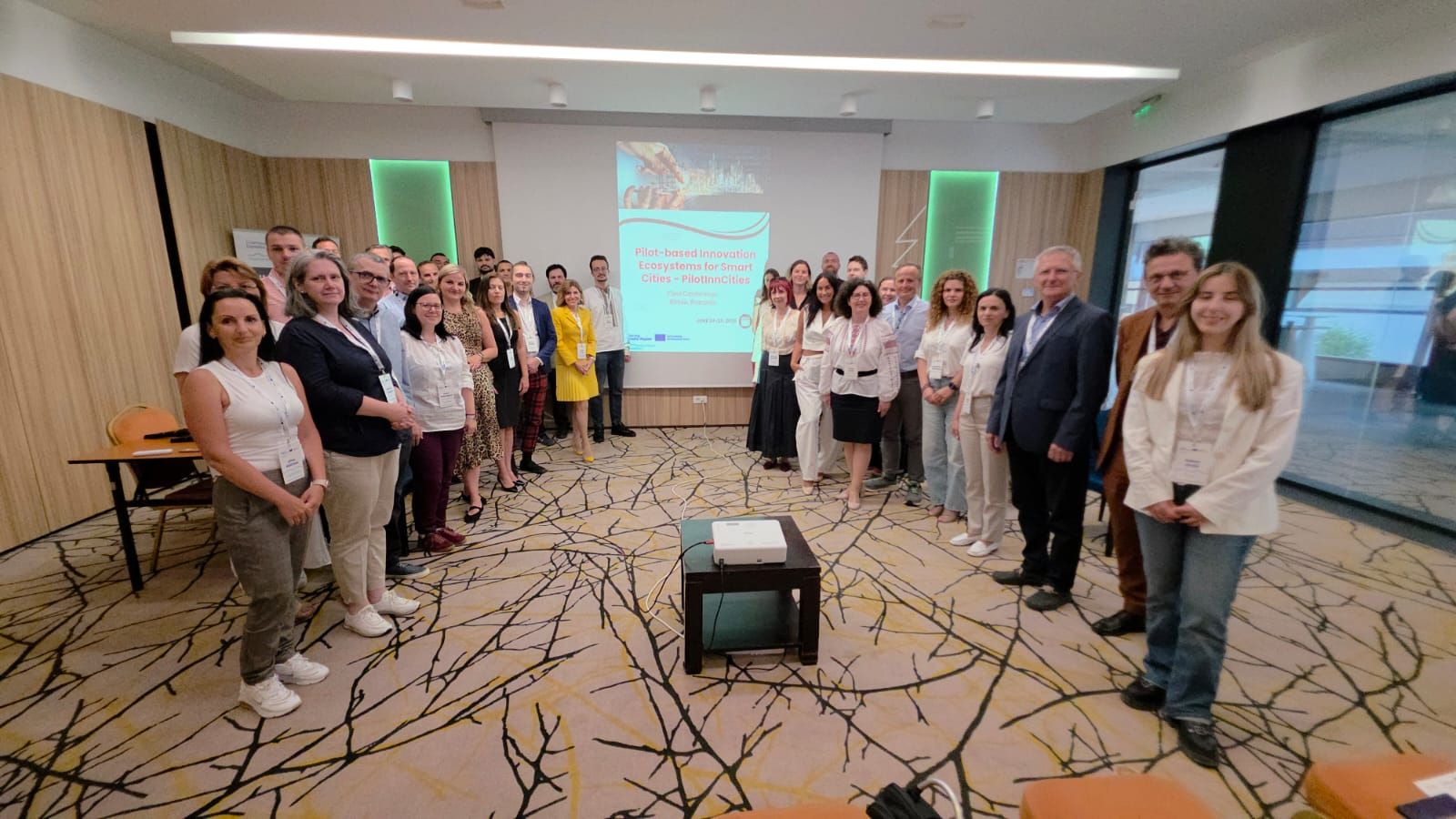
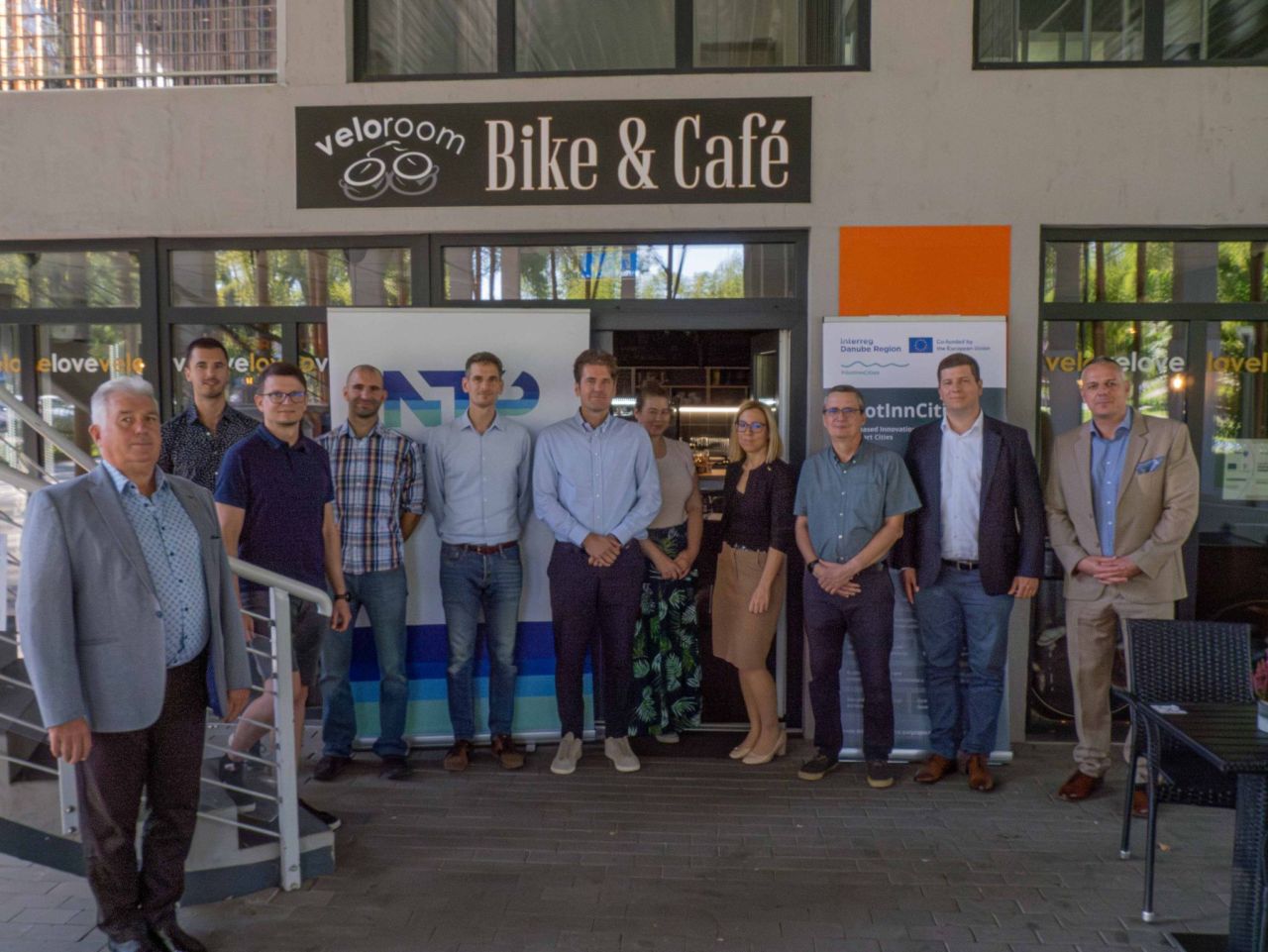
That gap is exactly what the PilotInnCities project set out to close. Over the past two and a half years, a consortium of eleven partners from six countries — Czechia, Slovakia, Germany, Hungary, Serbia, and Romania — has been testing, in real towns and real regions, a deceptively simple idea: that you learn how to adopt innovation by adopting it, in small, fast, low-risk experiments, rather than by planning it perfectly first.
The result is now public. Two complementary publications distil everything the project learned into a form anyone can pick up and use:
An Action Plan for the Adoption of Agile Piloting — written for leaders and decision-makers who set direction and unlock budgets.
An Agile Piloting Methodology — written for the practitioners and project managers who have to make it work on the ground.
Together they are less a final report and more an operating manual.
What "agile piloting" actually means
The method comes from Finland, where it was refined by Forum Virium Helsinki and brought to the Danube region after a Czech learning mission to Helsinki in 2023. At its core, agile piloting is a small, time-boxed innovation experiment built on an unusual three-way partnership: a solution provider (often a startup or SME) with something new to test, a municipality willing to become a living laboratory, and a third party that absorbs the investment risk for the sake of the shared public benefit.
That third role is the quiet genius of the model. By taking the financial risk off the city's books, it removes the single biggest reason municipalities hesitate to be early adopters. What remains is a manageable experiment, deliberately limited in scale, with the bureaucracy stripped down to what the experiment genuinely needs — and no more.
The logic is profoundly Pareto: you don't try to de-risk everything in advance. You run a small, honest test, learn fast, and only then decide whether to scale. A city stops being a cautious customer and becomes a testbed — a true living lab.
Why the Danube region needed it
The case for this approach is not abstract. Cities are already home to roughly three-quarters of EU citizens, and that share is projected to climb past 80% by mid-century. Whatever Europe's biggest challenges turn out to be — climate, mobility, ageing populations, public services under strain — they will be won or lost in cities.
Yet across the Danube region, the same barriers keep recurring at the municipal level: limited financing, rigid public-procurement rules, and a shortage of in-house expertise. The combined effect is a chronic reluctance to go first. Promising solutions stall in the long, uncertain stretch between a working prototype and a deployed, scalable product — and innovative SMEs lose access to their most natural market.
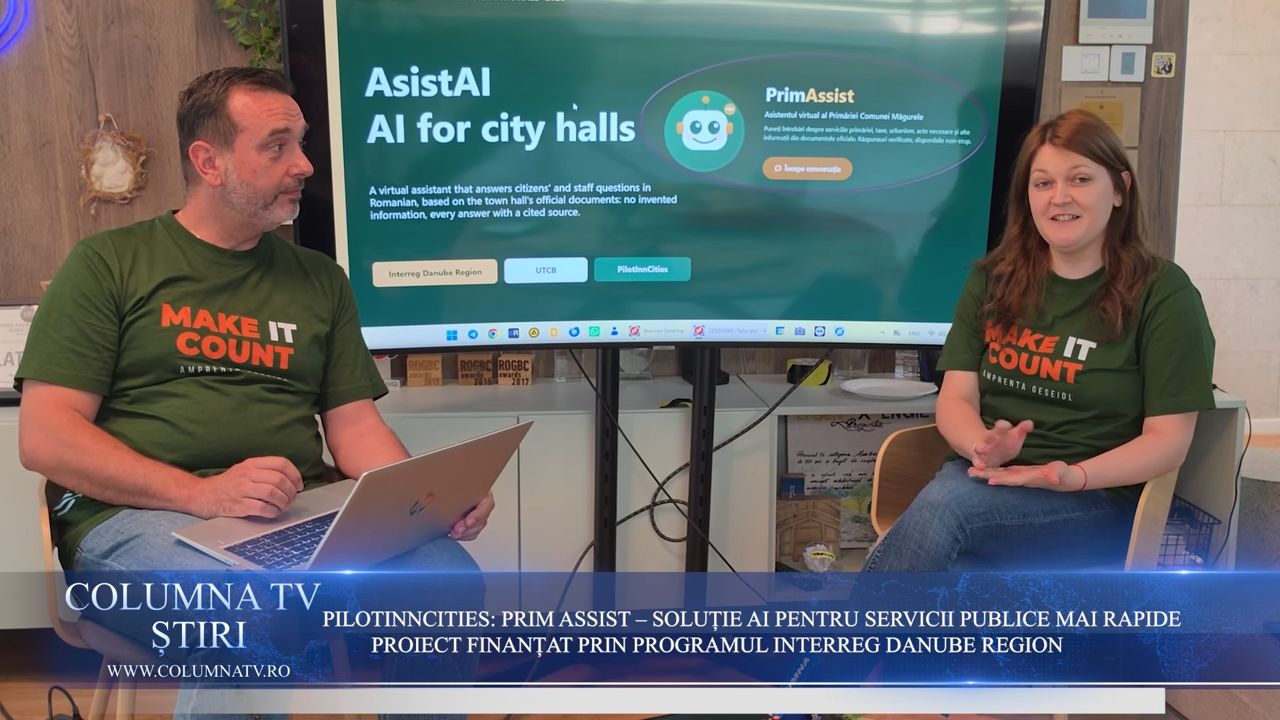
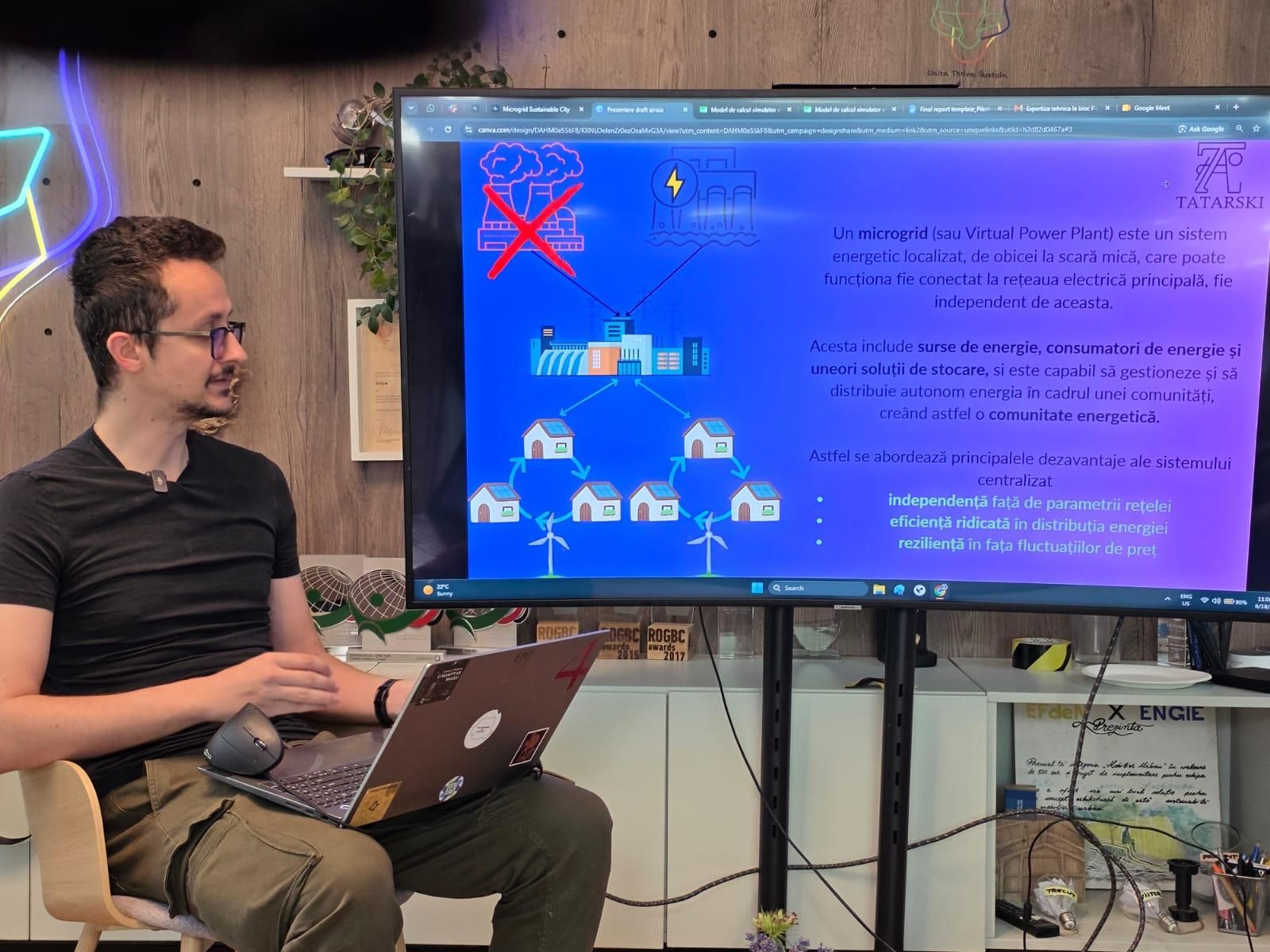
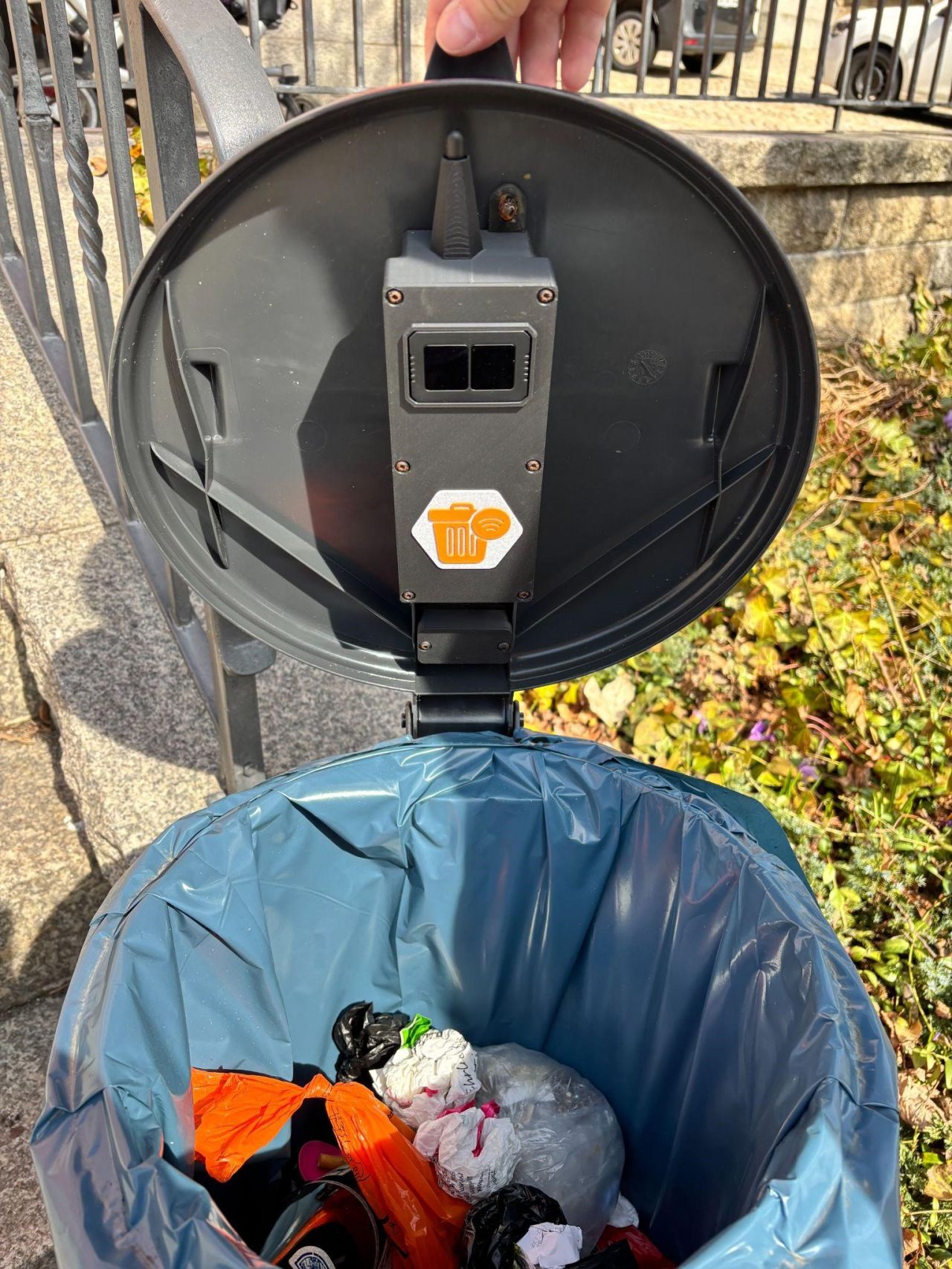
PilotInnCities treats this not as a series of isolated national problems but as a shared regional one, best solved together. Working across the so-called quadruple helix — government, business, academia, and citizens — the project deliberately engineered cooperation between innovators and local administrations, and tested it in the field rather than on paper. By late in the project, more than two dozen pilots were running across partner countries, with municipalities opening their streets, services, and squares to real experiments.
From experience to method
Crucially, the consortium did not stop at running pilots. The harder, more valuable work was turning that experience into something repeatable — a system others can adopt without starting from scratch.
That is the distinction between the two new publications. The Methodology is the how: the step-by-step practice of designing a call, selecting solutions, structuring the partnership, managing the experiment, and capturing what you learn. It is built for the people inside the machine.
The Action Plan is the why and the what next: how a region or country can move beyond one-off, EU-co-financed projects and build durable, nationally or regionally funded programmes that keep agile piloting alive long after a single grant ends. It is built for the people who decide whether the machine gets built at all.
Read together, they answer the question that defeats most innovation initiatives: not "what should we do?" but "how do we keep doing it?"
What agile piloting makes possible
For organisations willing to adopt it, the method opens up a concrete set of outcomes:
Adopt, validate, and scale new technologies through controlled, low-risk experiments.
Bridge the gap between startups, innovators, and the municipalities that need their solutions.
Meet real community needs through genuine co-creation rather than top-down rollout.
Strengthen regional smart specialisation and keep value creation local.
Build trust, resilience, and an innovation culture that outlasts any single project.
Turn cities into living labs — places where the future is tested, not just discussed.
Take it with you
The publications are deliberately practical, and they are free. Whether you are a mayor weighing a first pilot, a project manager designing an open call, or a policymaker thinking about how innovation gets funded for the long haul, they are written to be used — not admired.
Download the publications also from these links:
Action Plan for the Adoption of Agile Piloting: https://lnkd.in/dheZ8GeS
Agile Piloting Methodology: https://lnkd.in/dZbksQd9
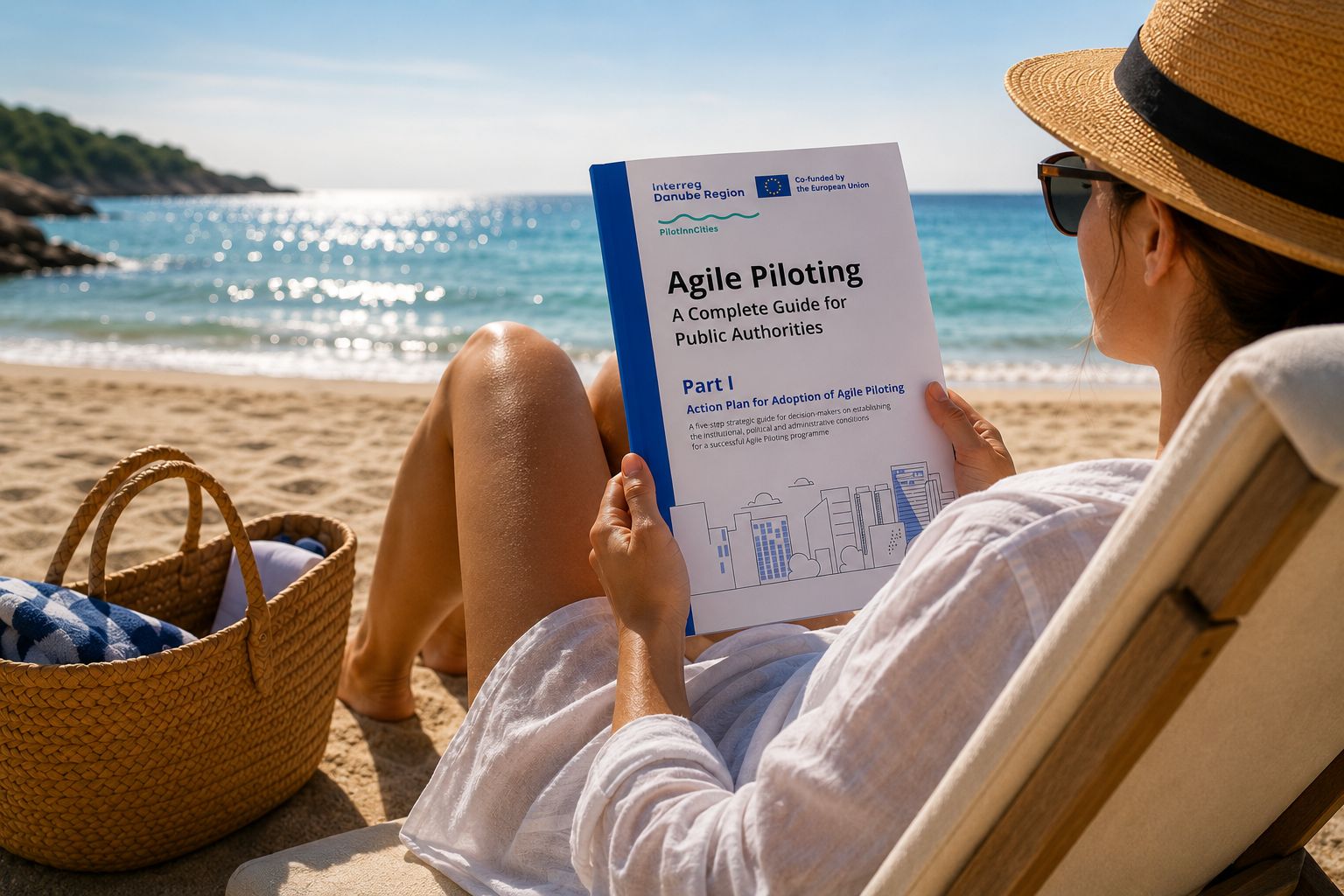
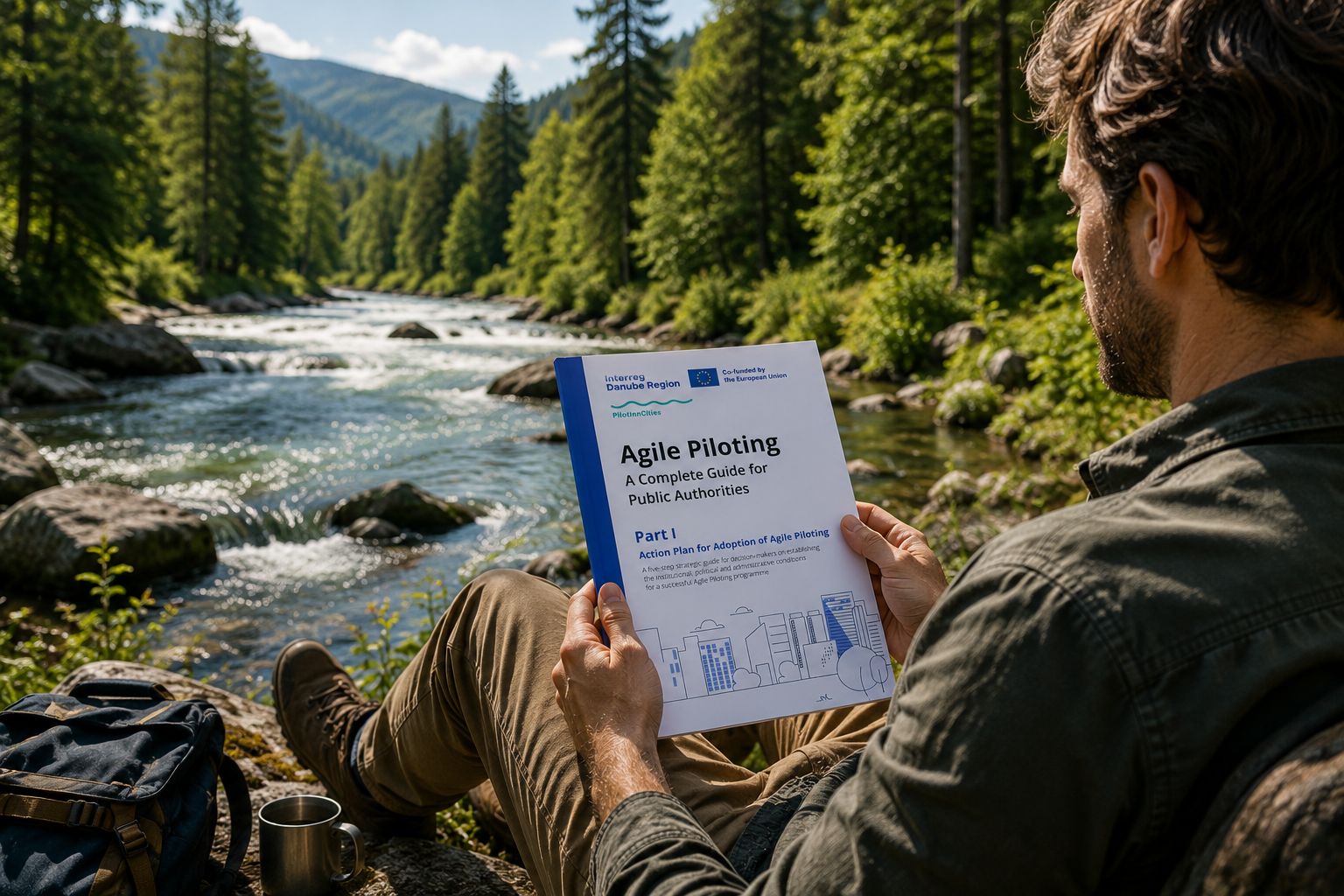
Take a copy to the beach, the mountains, or a quiet cabin. There's a fair chance that when you come back, you'll look at your own innovation challenges a little differently.
PilotInnCities (Pilot-based Innovation Ecosystems for Smart Cities) is co-funded by the European Union through the Interreg Danube Region Programme and led by the Ministry of Industry and Trade of the Czech Republic.

27/06/2026
By Viktor Holy
Share on social media:


Smart

News & Events
Read the most recent updates and explore the upcoming events.




Would you like to receive project updates?
You're already part of our community!
Welcome to our newsletter community!
Subscribe to our newsletter