

What AI Assistants Can Teach Public Administration
Can public administration learn something from Instagram? This bold question stood behind one of the Czech agile pilots implemented within the PilotInnCities project by PalmApp Tech in cooperation with the Central Bohemian Region.
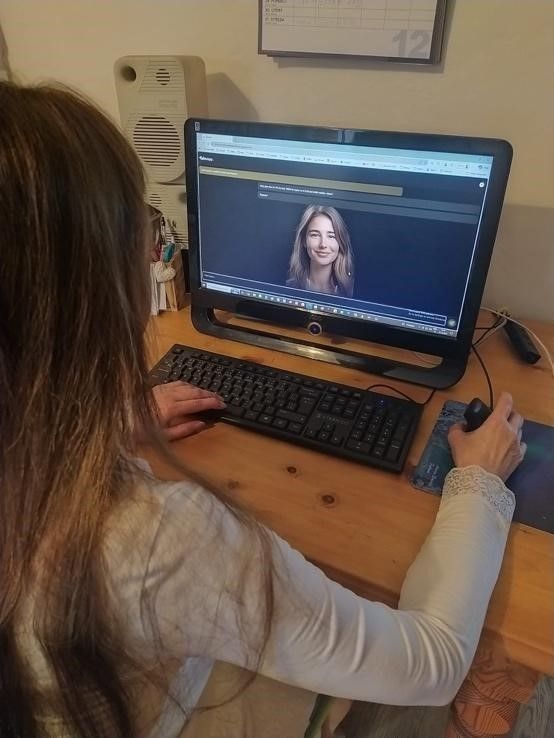
The pilot explored whether complex information for municipalities could be delivered in a more accessible and user-friendly way. Instead of requiring municipal officials to search through long PDF documents, email newsletters, meeting records or methodological guidelines, the solution tested the use of an AI-powered assistant combined with short, easy-to-consume video stories.
The initial idea was simple, but ambitious: to bring important information closer to local governments in a format that is faster, clearer and better adapted to the way people consume digital content today.
However, introducing a disruptive AI-based solution into the traditional environment of municipal administration also revealed several important practical lessons.
One of the key findings was the gap between assumptions made by technology innovators and the everyday reality of local government work. While the original concept placed strong emphasis on mobile devices and voice interaction, many municipal employees still rely primarily on desktop computers in their daily routines. Text-based interaction therefore proved to be more natural and practical for many users than voice control.
Thanks to the agile piloting approach, this insight did not remain a problem. Instead, it became an opportunity to adjust the solution during implementation and better align the technology with real user habits.
The pilot also highlighted a fundamental principle of AI adoption in public administration: precision and accountability matter. Municipal officials work with regulations, official documents, council minutes and methodological instructions where even small details can have legal and practical consequences.
AI proved valuable as a tool for faster orientation in complex information, helping users identify relevant sources and navigate large amounts of content more efficiently. At the same time, the pilot confirmed that AI cannot simply replace the need to consult the original document, legal text or official record when a decision requires full accountability.
Looking ahead, the pilot showed strong potential for improving communication between regional authorities and the hundreds of municipalities operating within their territory. AI-powered assistants could support faster and more consistent communication in areas such as emergency instructions, funding opportunities, cybersecurity guidance, methodological updates and other operational information.
By delivering information in a more targeted and user-friendly format, such tools could help regions strengthen coordination with municipalities and reduce the administrative burden connected with information overload.
Perhaps the most important lesson of the pilot is also one of the strongest arguments for agile piloting itself: real-world testing is irreplaceable. Only live testing in an actual public administration environment can reveal user habits, organisational realities and practical constraints that would never fully emerge in a workshop, presentation or theoretical discussion.
The PalmApp Tech pilot demonstrated that AI can bring real value to public administration — not by replacing human responsibility, but by helping officials find, understand and process information more effectively.


22/06/2026
By Viktor Holy
Share on social media:


Smart

News & Events
Read the most recent updates and explore the upcoming events.



Would you like to receive project updates?
You're already part of our community!
Welcome to our newsletter community!
Subscribe to our newsletter