
Smarter Facility Management for Municipalities: Hypertegrity Tests Digital Booking and Monitoring in Marktleuthen
Managing public facilities may sound like a routine administrative task. In practice, however, it can quickly become a complex challenge for municipalities of all sizes.
Sports halls, community venues, meeting rooms and other shared municipal spaces play an important role in local community life. They create opportunities for sport, education, cultural activities and social interaction. At the same time, their daily operation often brings a number of practical issues: double bookings, manual paperwork, unclear availability, unused reservations, unplanned use of premises, or resources being wasted when lights, heating or water are left running after an event.
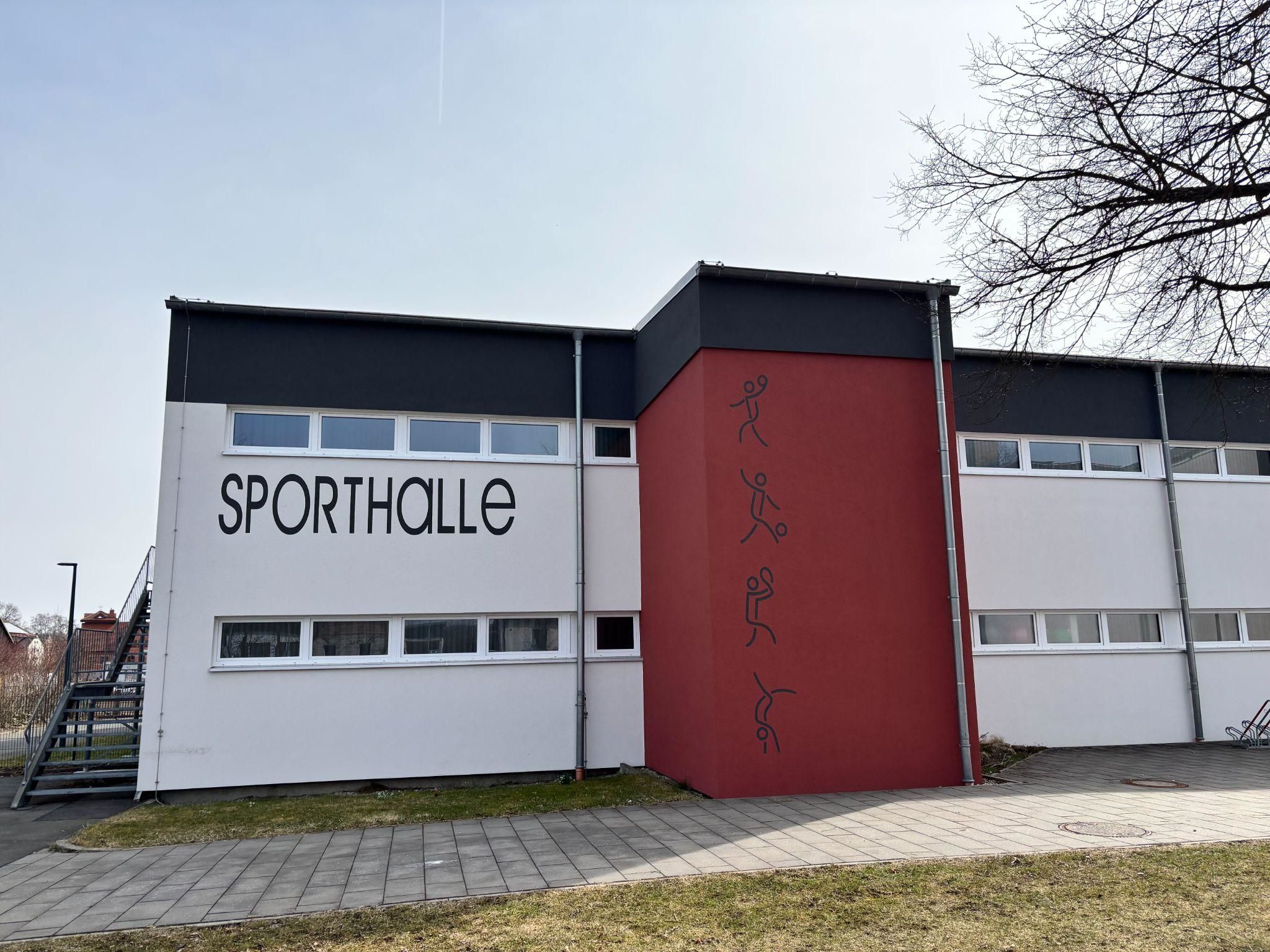
This is exactly the challenge addressed by the agile pilot of Hypertegrity AG in Marktleuthen, Germany, implemented within the PilotInnCities project.
From Manual Coordination to Smart Facility Management
The pilot focuses on a digital platform that simplifies the booking and management of municipal sports facilities. Instead of relying on fragmented communication, paper-based processes or manual checks, the solution connects booking data with real-time information from the building itself.
The system combines three key layers:
Digital room booking
Citizens, clubs and organisations can book municipal sports facilities more easily and transparently. This helps reduce administrative effort while improving access to local infrastructure.
Real-time room monitoring
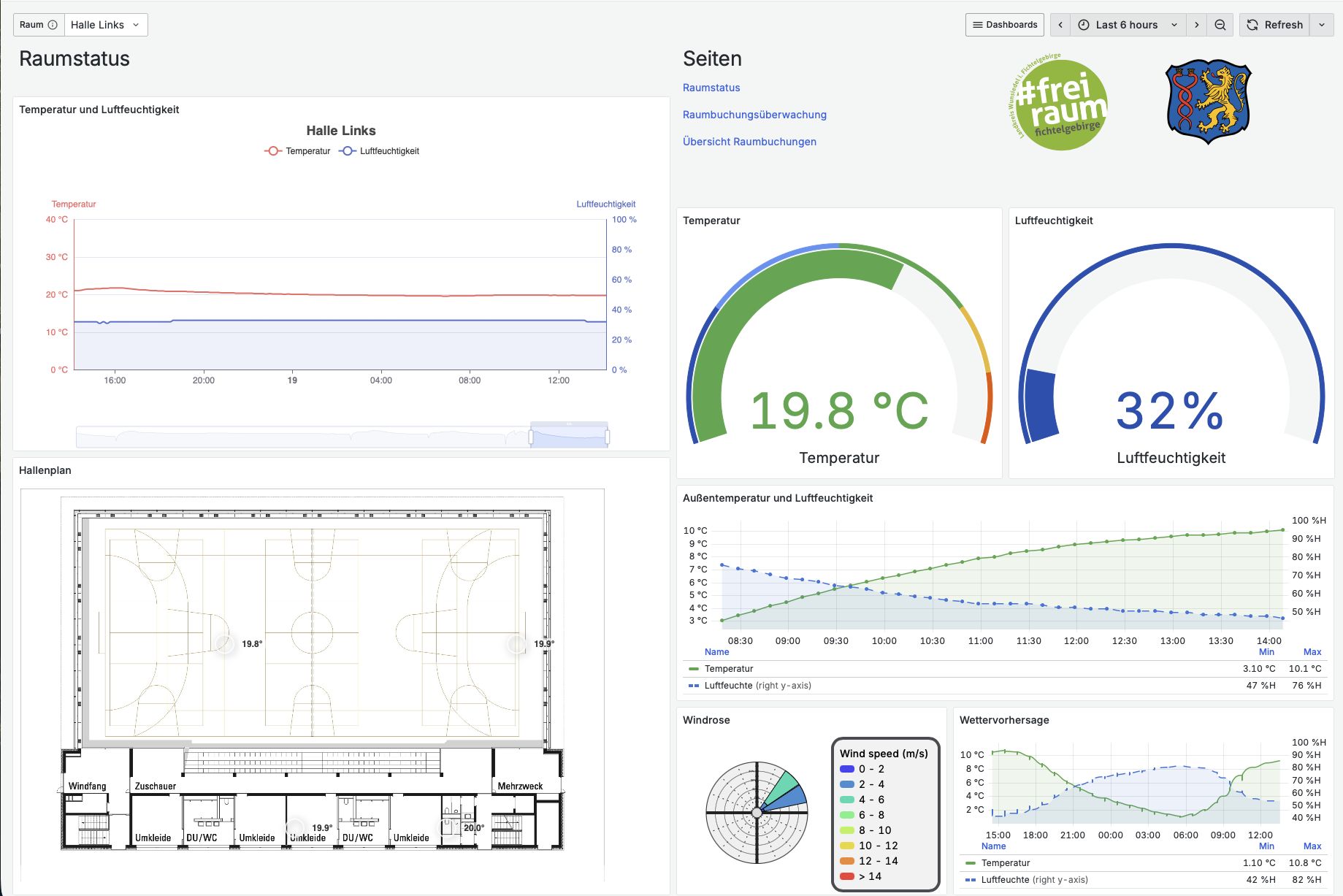
Sensor data provides continuous insights into indoor conditions such as temperature, humidity and CO₂ levels. This creates a better understanding of how the facility is actually used and how indoor comfort and resource consumption can be managed.
Booking validation
The platform compares actual facility use with booking records. This allows the municipality to identify situations where a hall was booked but not used, or where the facility is being used without a valid booking.
Detecting Ghost Bookings and Hidden Inefficiencies
One of the most valuable aspects of the pilot is its ability to reveal inefficiencies that are usually difficult to detect.
For municipalities, “ghost bookings” can become a real problem: a sports hall may be reserved, but nobody shows up. From the outside, this may seem like a minor inconvenience. In reality, it can block access for other users, create unnecessary operating costs and distort the municipality’s understanding of real demand.
The same applies to unplanned or unregistered use of facilities. If a hall is occupied without a booking, the municipality lacks transparency over who is using the premises, when and for what purpose.
By validating booking data against actual usage, the Hypertegrity solution helps municipalities detect these situations early and respond more effectively.
A Foundation for Future Smart City Services
Beyond booking management, the pilot also demonstrates how municipal facilities can become part of a wider smart city ecosystem.
Continuous monitoring of indoor conditions can support better energy management, more efficient building operation and improved planning of maintenance activities. In the future, similar systems could help municipalities optimise heating, ventilation, lighting or water use based on real occupancy and actual demand.
This makes the pilot relevant not only for sports infrastructure, but also for other public buildings such as community centres, schools, cultural venues or municipal offices.
Practical Benefits for Municipalities
The agile pilot in Marktleuthen shows how digital facility management can help municipalities:
reduce administrative workload,
prevent double bookings,
detect unused reservations,
identify unplanned facility use,
monitor indoor conditions in real time,
spot unnecessary resource consumption,
and create a data-based foundation for smarter building management.
In this way, a seemingly simple booking platform becomes much more than a digital calendar. It becomes a practical tool for improving transparency, reducing waste and making municipal infrastructure easier to manage.
The pilot is implemented in cooperation with German project partners including Zentrum für Digitale Entwicklung GmbH, EurA AG, Landkreis Wunsiedel i. Fichtelgebirge, and Fraunhofer IESE, contributing to the broader PilotInnCities mission of testing agile, practical and scalable innovations in real urban and municipal environments.
Through this pilot, Marktleuthen demonstrates how even everyday municipal processes can become a starting point for digital transformation — when technology is tested in real conditions, adapted to local needs and focused on concrete public value.

20/06/2026
By Viktor Holy
Share on social media:


Smart

News & Events
Read the most recent updates and explore the upcoming events.



Would you like to receive project updates?
You're already part of our community!
Welcome to our newsletter community!
Subscribe to our newsletter